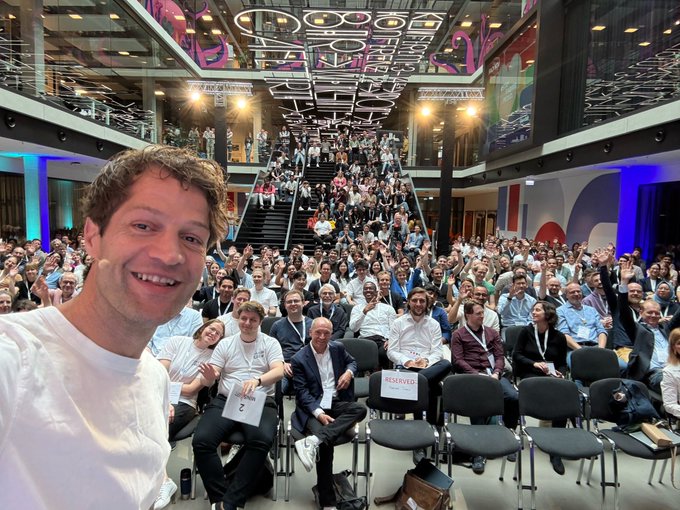
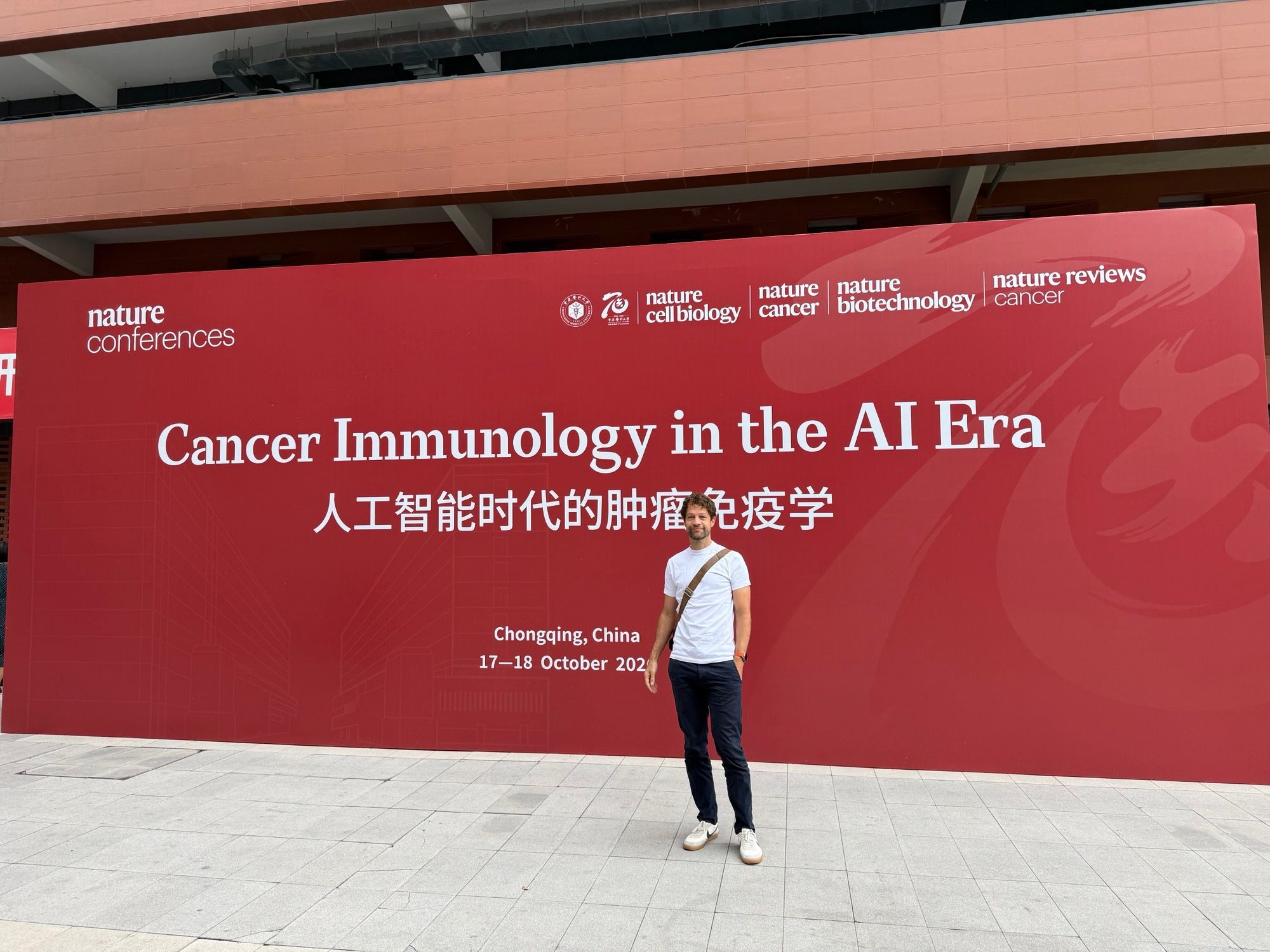
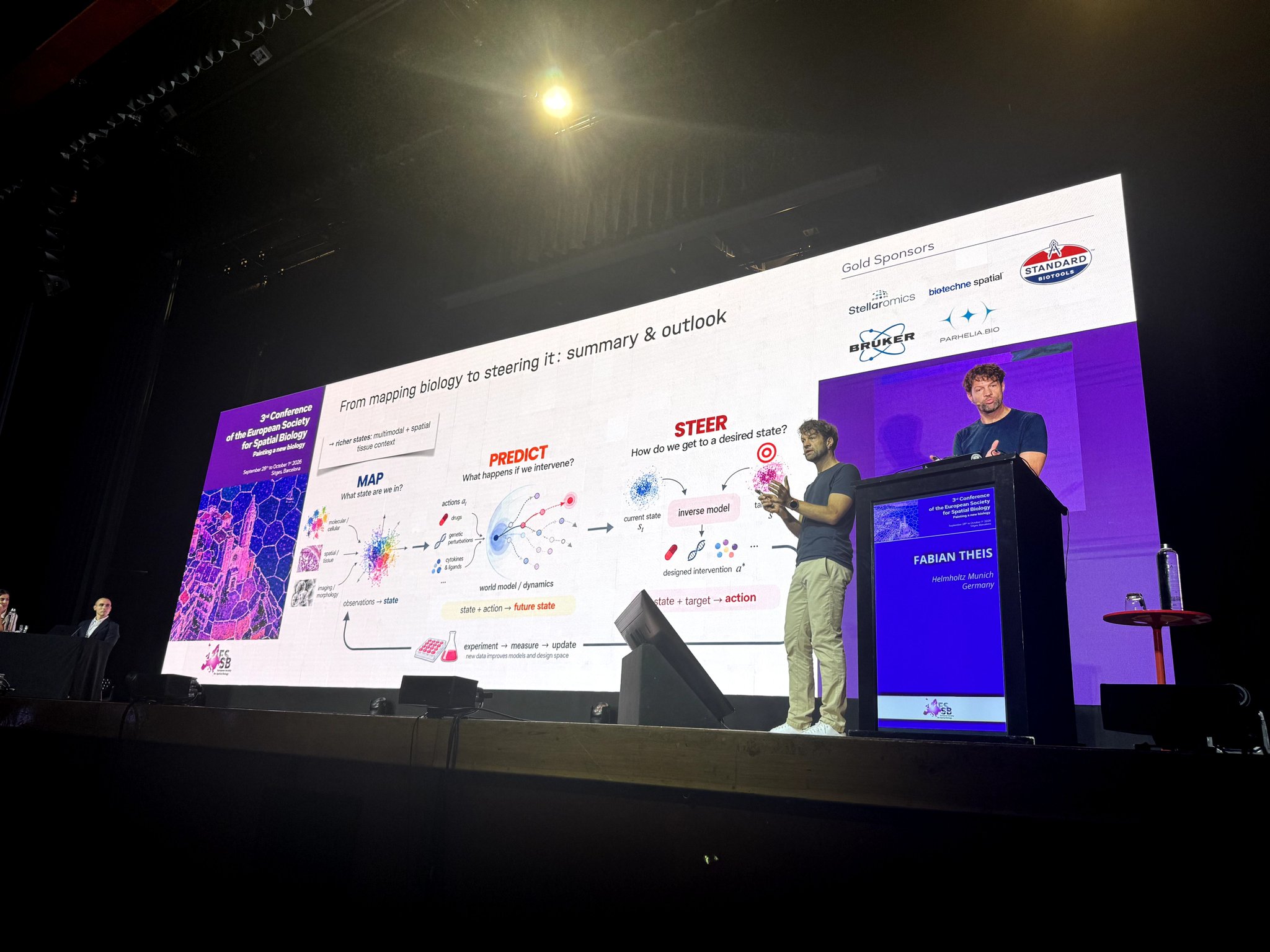
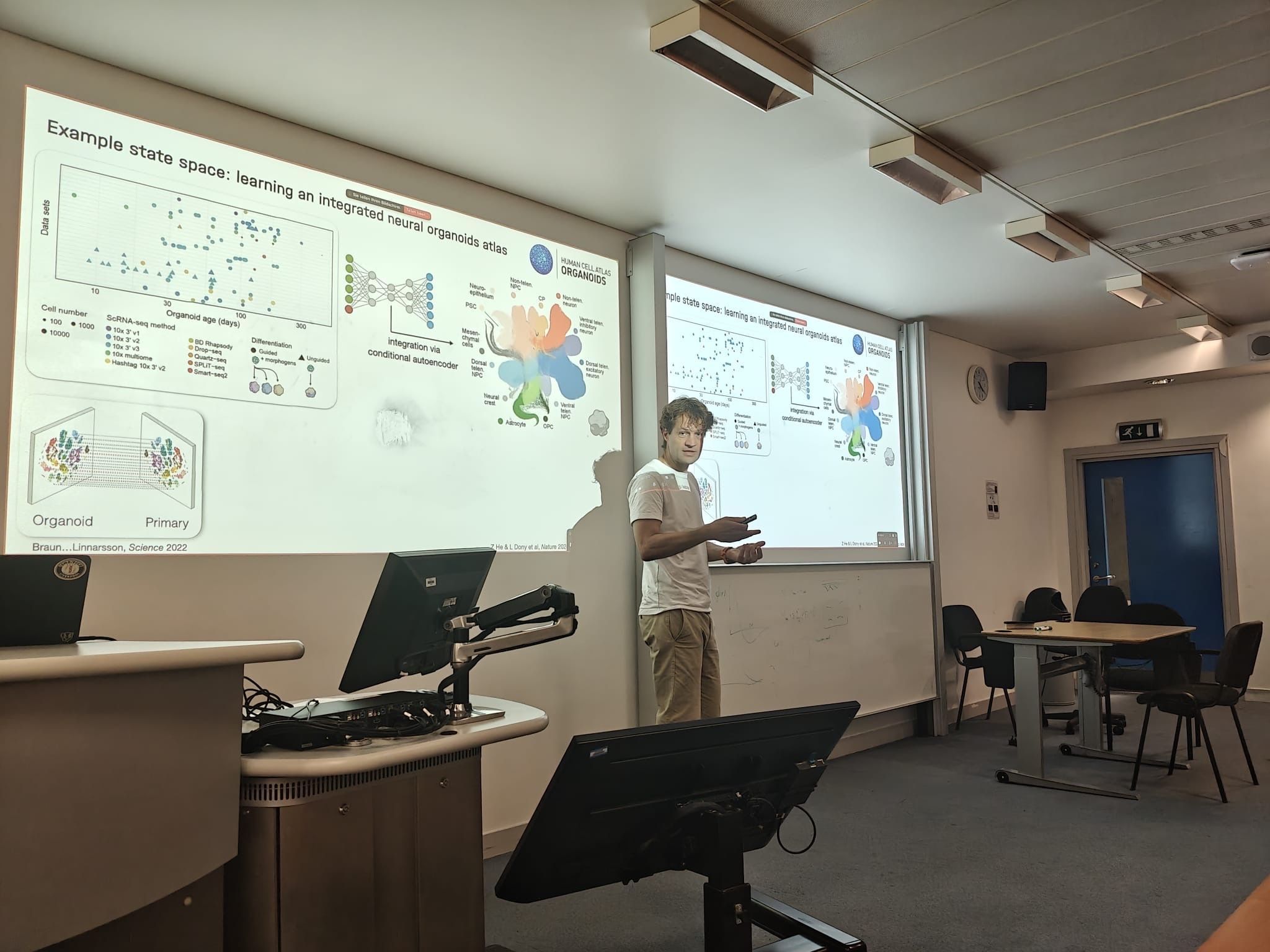
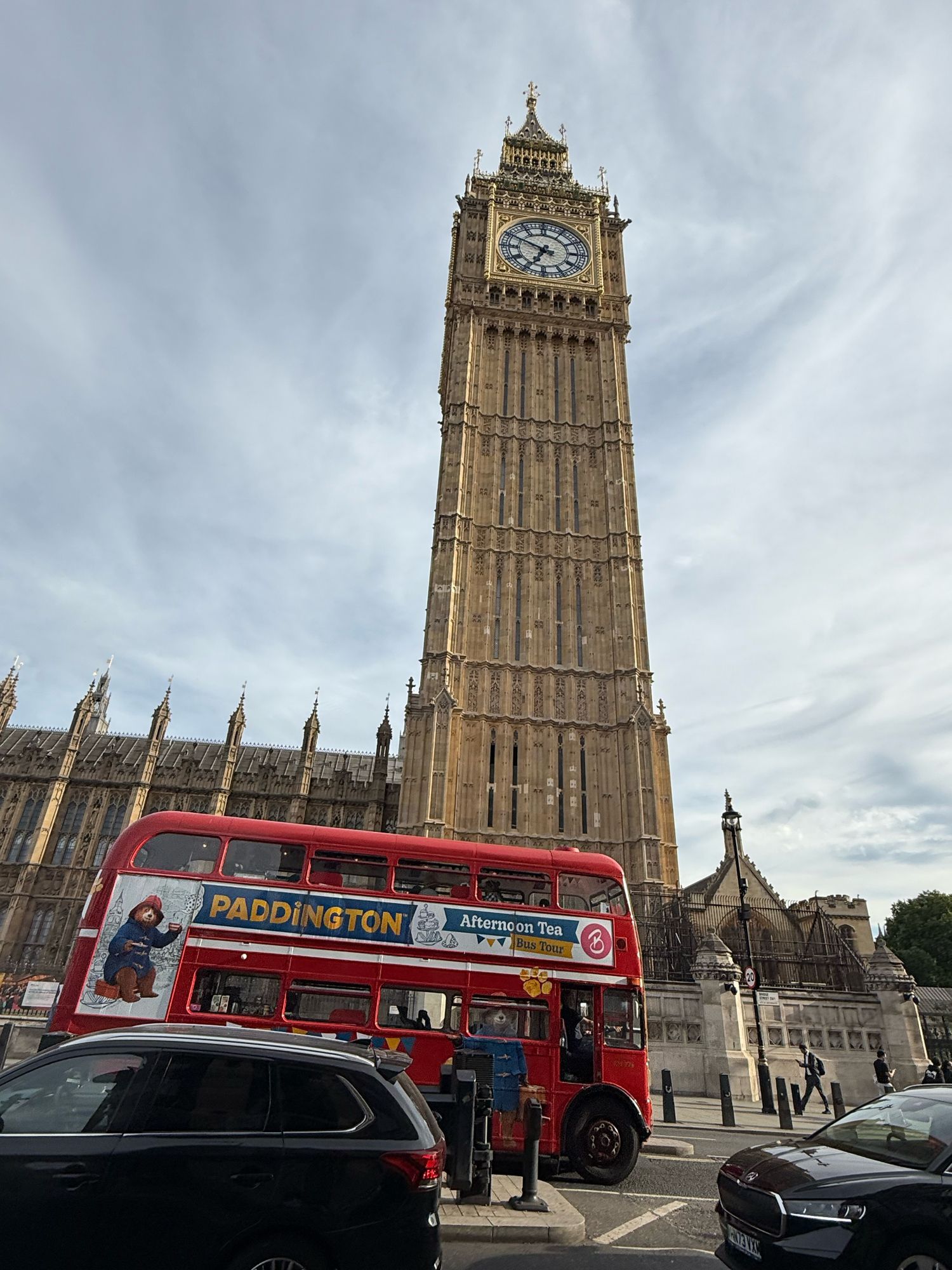
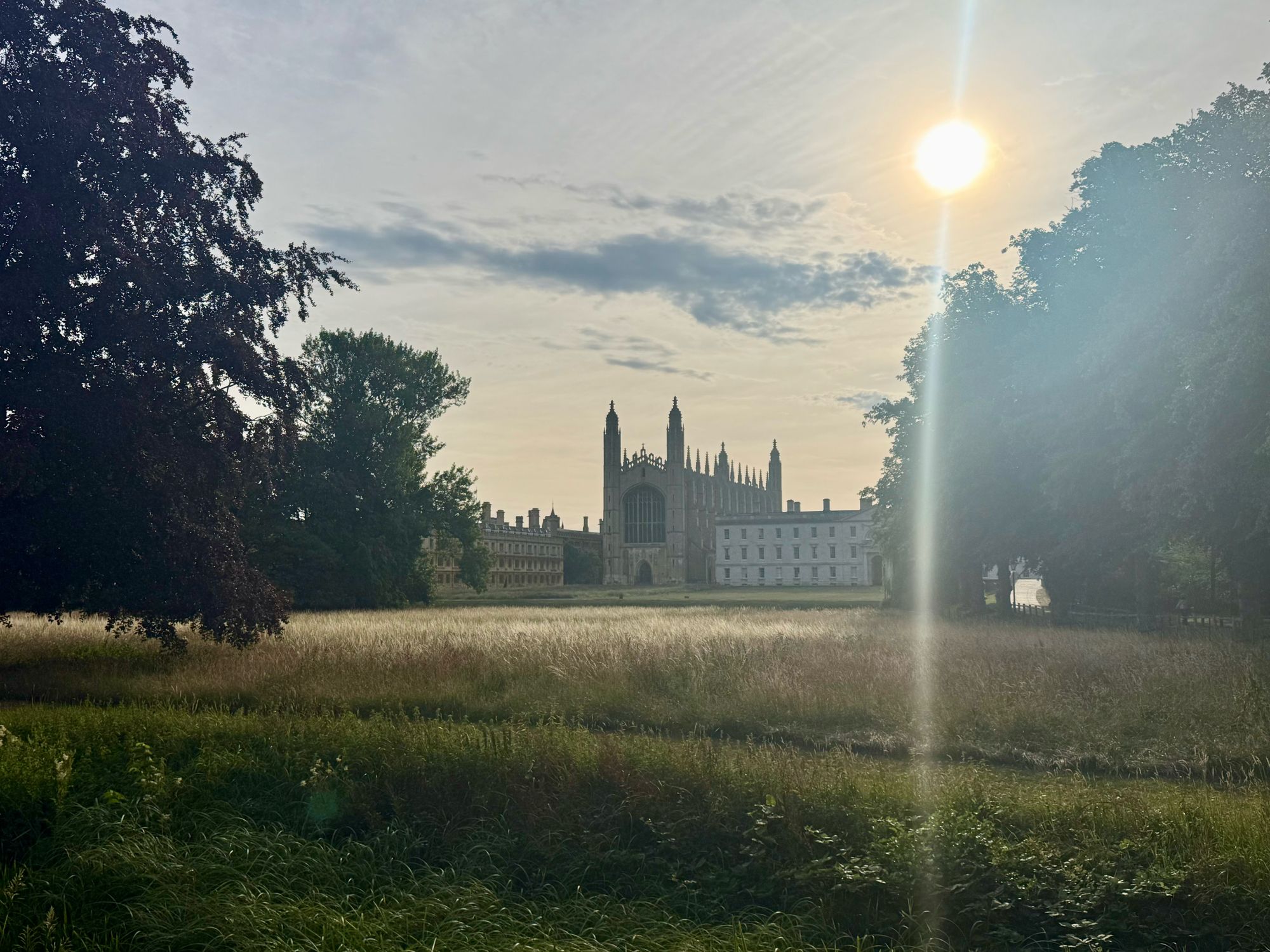
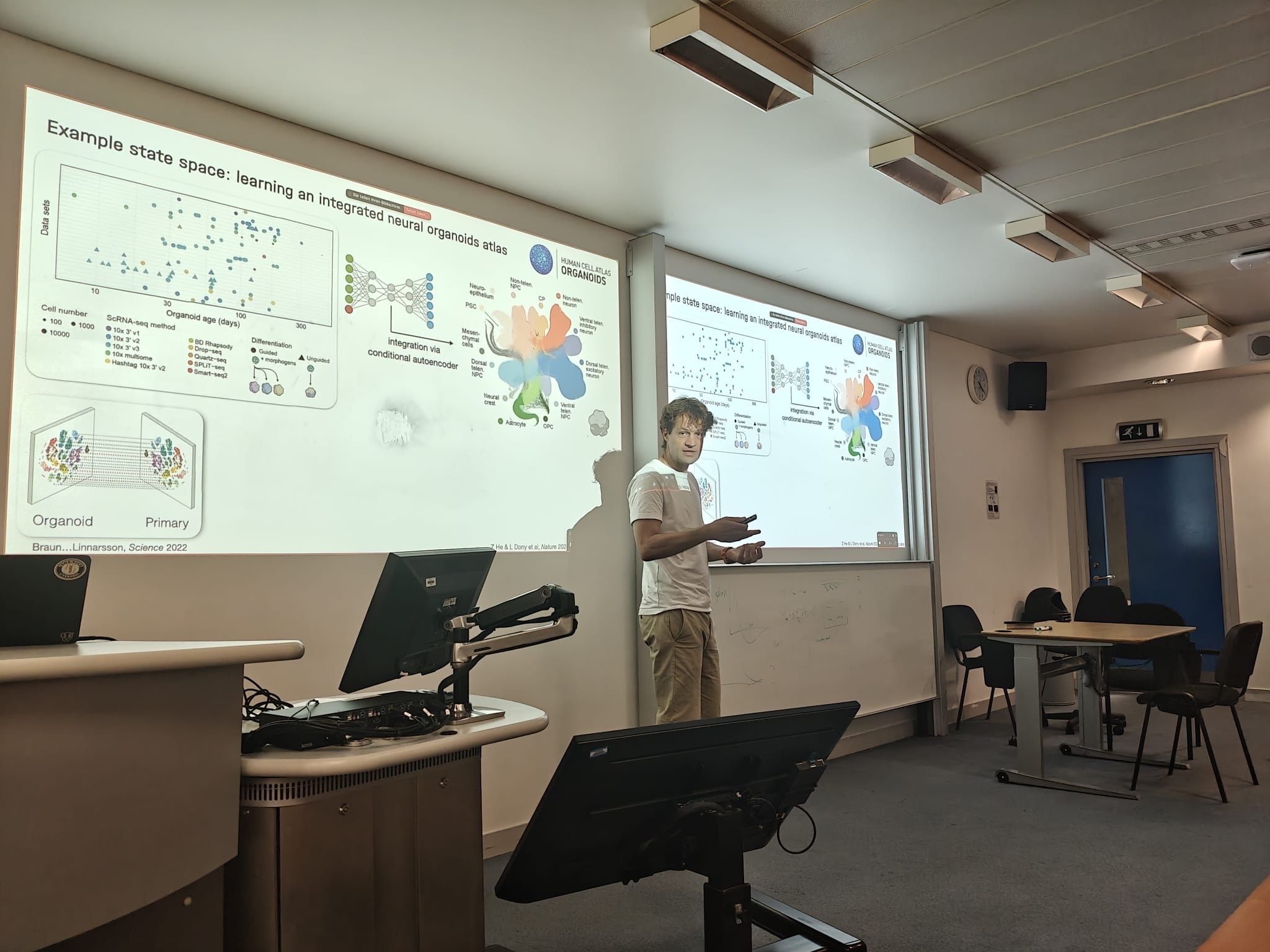
Back in Munich after an intense week of science in China. Highlights included the opening keynote at the Nature Conference "Cancer Immunology in the AI Era" in Chongqing, as well as talks and discussions at Peking University, Tsinghua University, Fudan University and Westlake University. What stayed with me most: the scale at which questions are being tackled, from large single-cell and proteomics perturbation datasets to automated labs, and the many students eager to discuss how AI can help us not only describe cells but design experiments. Our map, predict, steer framing sparked lively debates everywhere. 🔬 Thank you to all hosts for the generous hospitality and open exchange, and to Weixu Wang from our lab for joining me on the trip. 🙏 #SingleCell #AI #VirtualCell
View on X: post of 25 Oct 2026Plate VI · News
Posts on X
New papers, tools and news, as posted by @fabian_theis. Replies and reposts are left out.
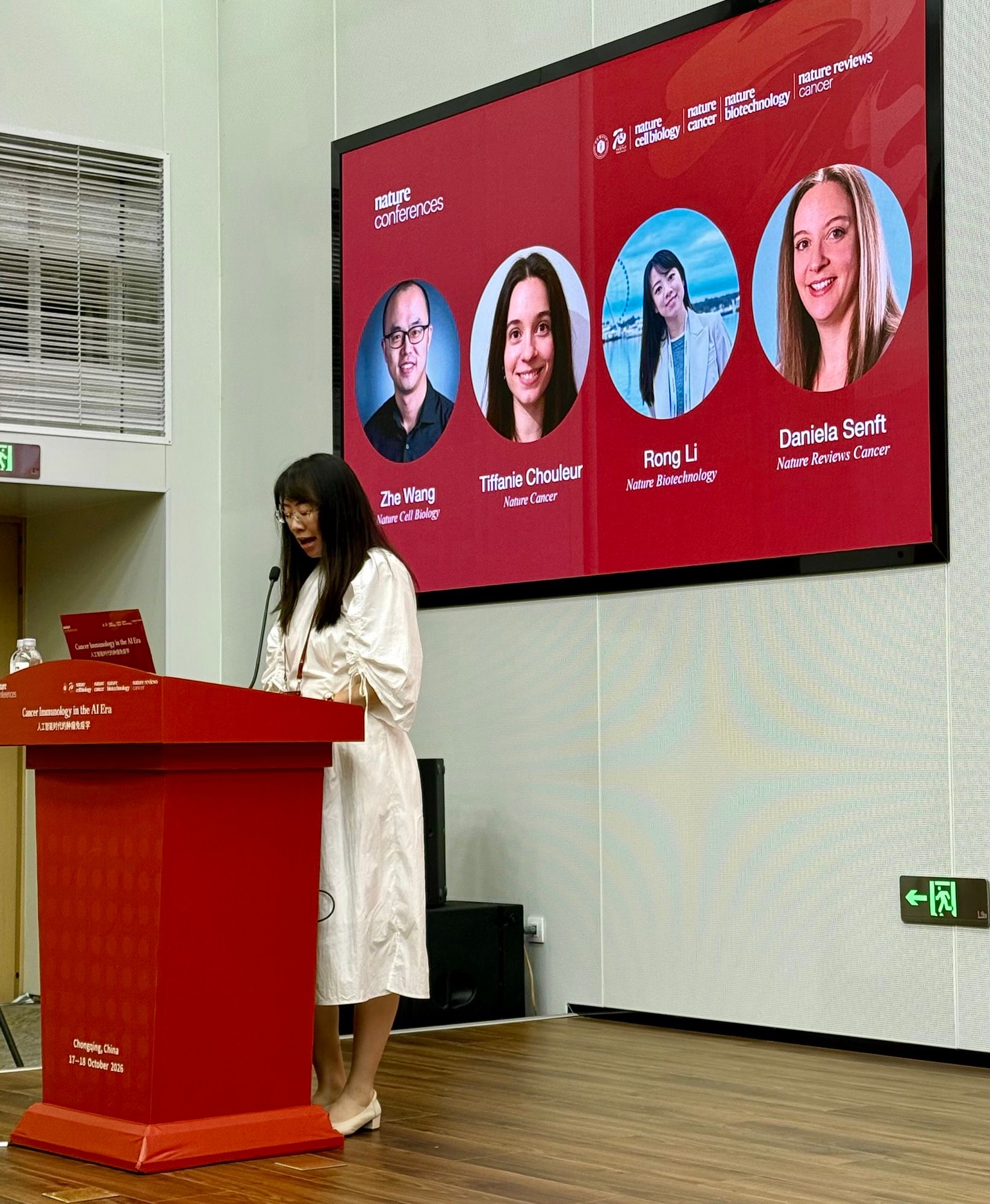
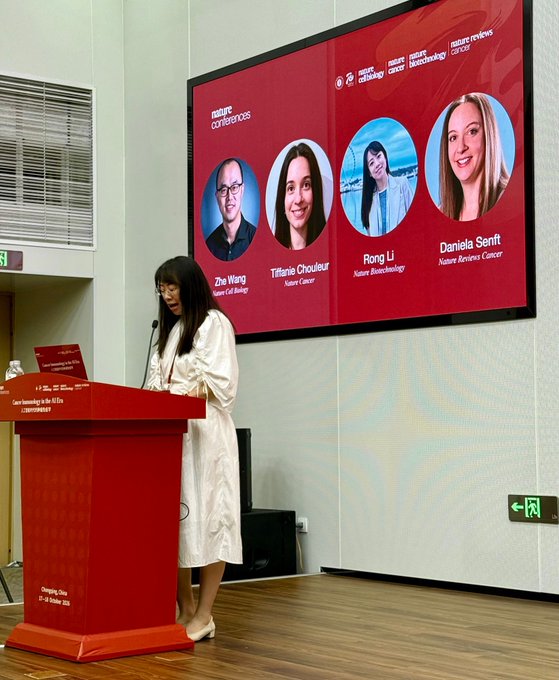
What does AI actually change for cancer research? 🤔 My personal answer in the opening keynote of the Nature Conference "Cancer Immunology in the AI Era" in Chongqing: science is a search. We search through an enormous space of possible interventions, mostly by hand and one experiment at a time. AI lets us search that space far more systematically. Immunotherapy shows why this matters. It can cure cancer, yet only about 1 in 8 patients responds to checkpoint inhibitors. Finding the right intervention for each patient is exactly such a search problem. In my talk, "From cell atlases to AI-designed interventions," I showed how we approach it: map cell states eg the tumor immune ecosystem, predict how cells respond to perturbations, and steer cells toward the states we want. I presented recent work from our lab and collaborators, from tumor atlases and a human cytokine dictionary to open benchmarks for perturbation models. Many thanks to Zemin Zhang and the organizing team for a great program, and to Rong Li of Nature Biotechnology for chairing the session. And Chongqing at night, with its skyline above two rivers, is quite a sight. 🌃 #SingleCell #CancerImmunology #AI
View on X: post of 17 Oct 2026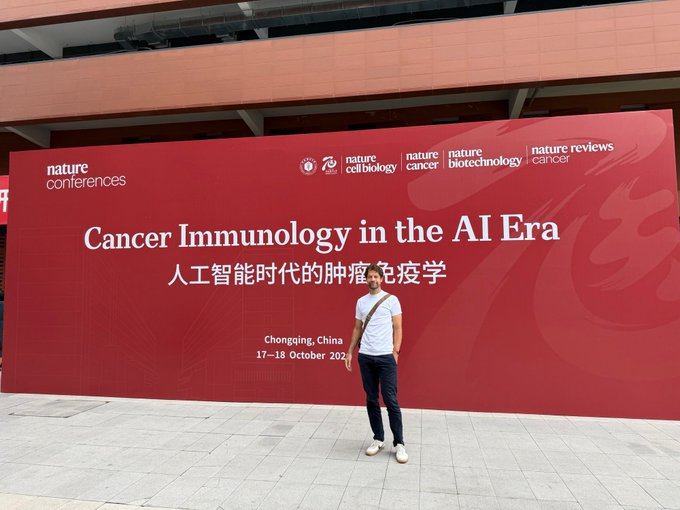
🌐 AI for science just became science diplomacy. On October 4, the US and 16 other countries, including Japan, South Korea, the UK, Germany and Singapore, endorsed the "Kyoto Vision for a Golden Age of Science" at the STS Forum in Kyoto. I only learned about it today, from a friend. In case you missed it too, here is the short version. 💡 The one-page text covers a lot of what I care about. More diverse funding, from long-term awards to fast grants and prizes. Room for new institutional models. Metascience and reproducibility. AI for science, including autonomous closed-loop discovery. Early investment in young talent. Much of this I support. Closed-loop, AI-driven experimentation is at the core of what we do in the Theis lab, and funding systems everywhere could use more experimentation themselves. The declaration builds on the White House report "Science: A New Golden Age" from July, which goes further, for example in rethinking the role of universities. Not trivial. How these ideas translate will differ between national systems. Germany's research ministry, for instance, calls the paper a non-binding basis for discussion and stresses that freedom of research and the independence of science remain non-negotiable. 🌍 For me, the test will be concrete: shared access to compute, data and automated labs, and collaboration across borders. Researchers should help shape what this means in practice. How do you see it? Will it change how science is funded where you work? 🇩🇪 BMFTR statement: bmftr.bund.de/SharedDocs/Kur… 📄 Kyoto Vision: bmftr.bund.de/SharedDocs/Dow… 📘 Science: A New Golden Age: whitehouse.gov/wp-content/upl… 🇺🇸 White House release: whitehouse.gov/releases/2026/… #AIforScience #ScienceDiplomacy #Metascience
View on X: post of 12 Oct 2026🧪🧭 What if we could ask a model which experiment gives us the cells we want? Our new preprint, LabCompass, takes a step in this direction through generative inverse design. For me, this is one of the most exciting directions for the field. Together with many others, we have been working on predicting how cells respond to perturbations. How can we use these models to design experiments that achieve a desired biological outcome? 🎛️ This inverse problem is difficult. Combinations and doses create spaces that cannot be exhaustively screened, and each experiment produces a distribution of cell states. Predictive models are also imperfect, particularly in unexplored regions where we want to discover something new. LabCompass couples a generative model of experimental designs with a forward model of cellular responses. The desired phenotype guides generation in continuous design space, while a learned prior favors plausible designs. Selected candidates are tested experimentally, and the measurements inform the next round. 💡 The method is not tied to a particular virtual cell model. It can work with different differentiable forward models and cellular readouts, and the same trained models can address different phenotypic objectives. 🩸 We demonstrated this in primary human blood stem and progenitor cells. Across the study, we profiled 78 million cells and experimentally validated conditions enriching megakaryocytic, erythroid, monocytic and early lymphoid populations. One result I particularly like: distinct culture recipes produced similar target enrichments. Several solutions to the same biological objective give us alternatives to investigate and develop further. 🔬 The opportunity extends beyond blood and cell culture. We also applied LabCompass to single-cell transcriptomic data from viral infection. I’m excited to explore its potential for other perturbation systems, drug combinations, differentiation and organoids. This raises a question for virtual cell models: alongside prediction accuracy, how effectively can they guide experiments toward desired biological outcomes? If this connects to a problem you are working on, I’d love to hear from you. We’re keen to see how LabCompass transfers to new systems and happy to explore ideas together. A wonderful collaboration with Bertie Göttgens and Nicola Wilson at the Cambridge Stem Cell Institute. Huge credit to joint first authors Licyel Paulas-Condori, Alessandro Palma, Lorenzo Consoli and Juan Antonio Rubio-Lara, and the whole team across both labs! 📄 Preprint: biorxiv.org/content/10.648… 💻 Code: github.com/theislab/LabCo… #InverseDesign #VirtualCell #SingleCell
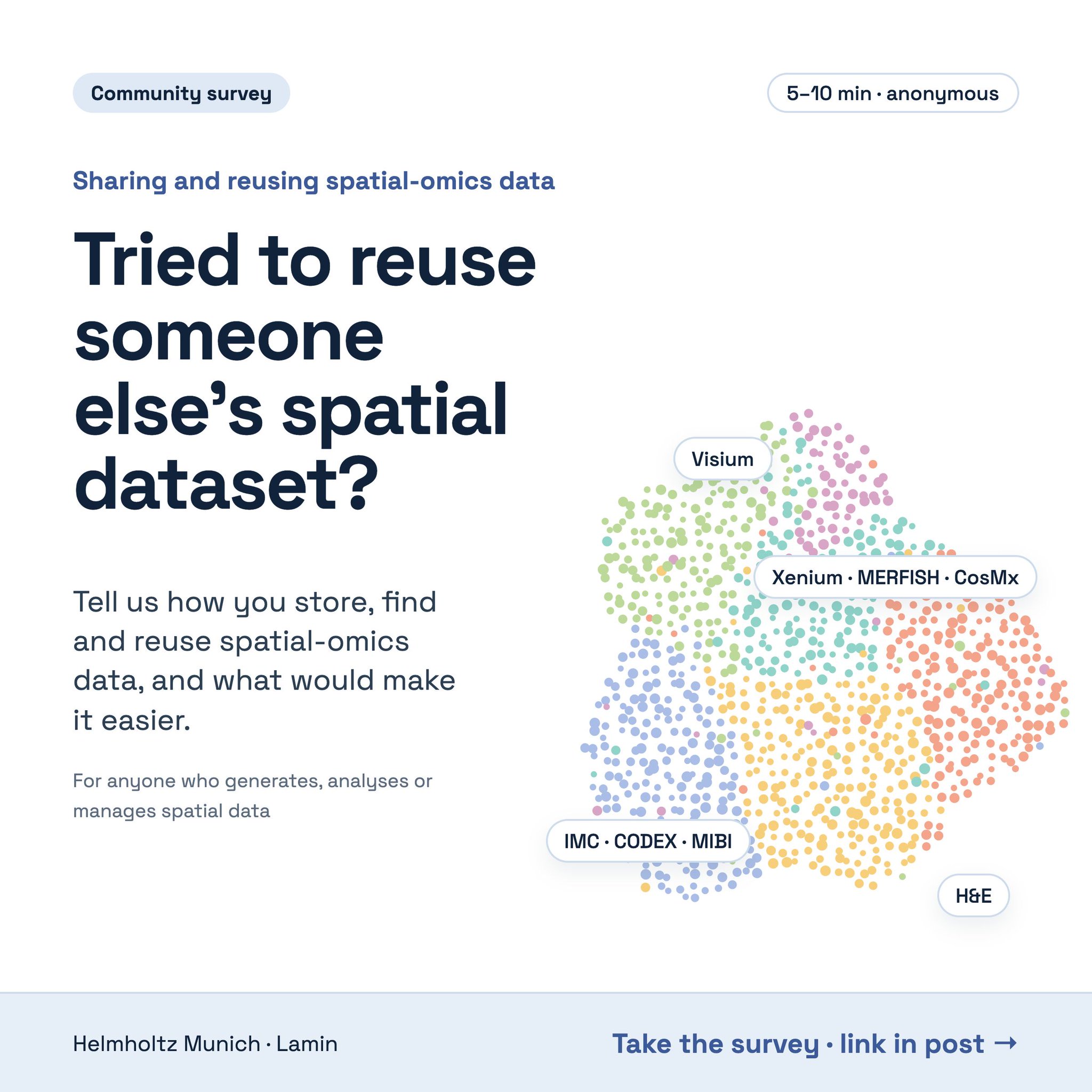
View on X: post of 9 Oct 2026Have you ever tried to reuse someone else's spatial-omics dataset and given up halfway? 🔄 A team from Helmholtz Munich and Lamin is running a short community survey on this (spatial transcriptomics, multiplexed imaging and related methods), to help offer potential solutions on what could make it easier. Whether you generate the data, analyse it or manage it, we'd like to hear from you. PhD students, postdocs, PIs, core facility staff and industry are all welcome. → 5–10 minutes → Anonymous: no name, email or IP address collected → Anonymised results may be published openly Your answers will shape an open, cloud-native repository for spatial-omics data and inform a research funding proposal. Take the survey: docs.google.com/forms/d/1aZWYa… 📢 Do share with anyone in your lab or network who works with spatial data!
View on X: post of 7 Oct 2026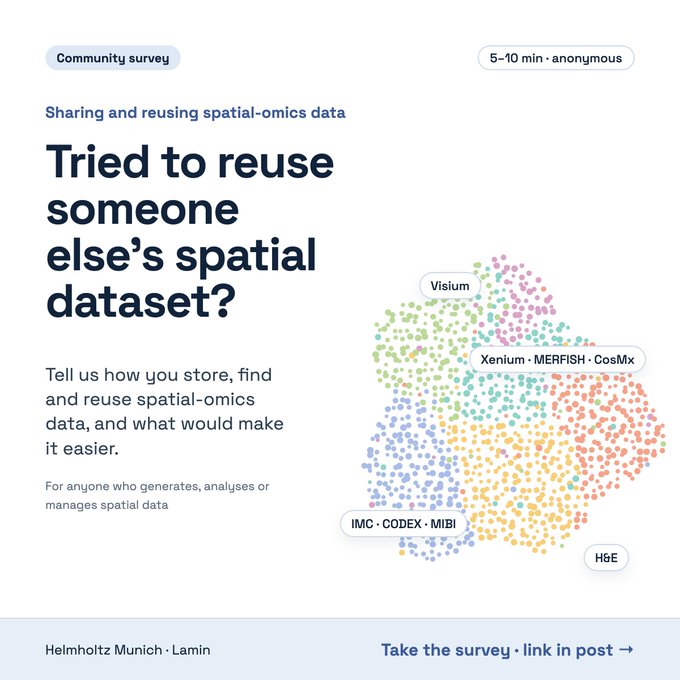
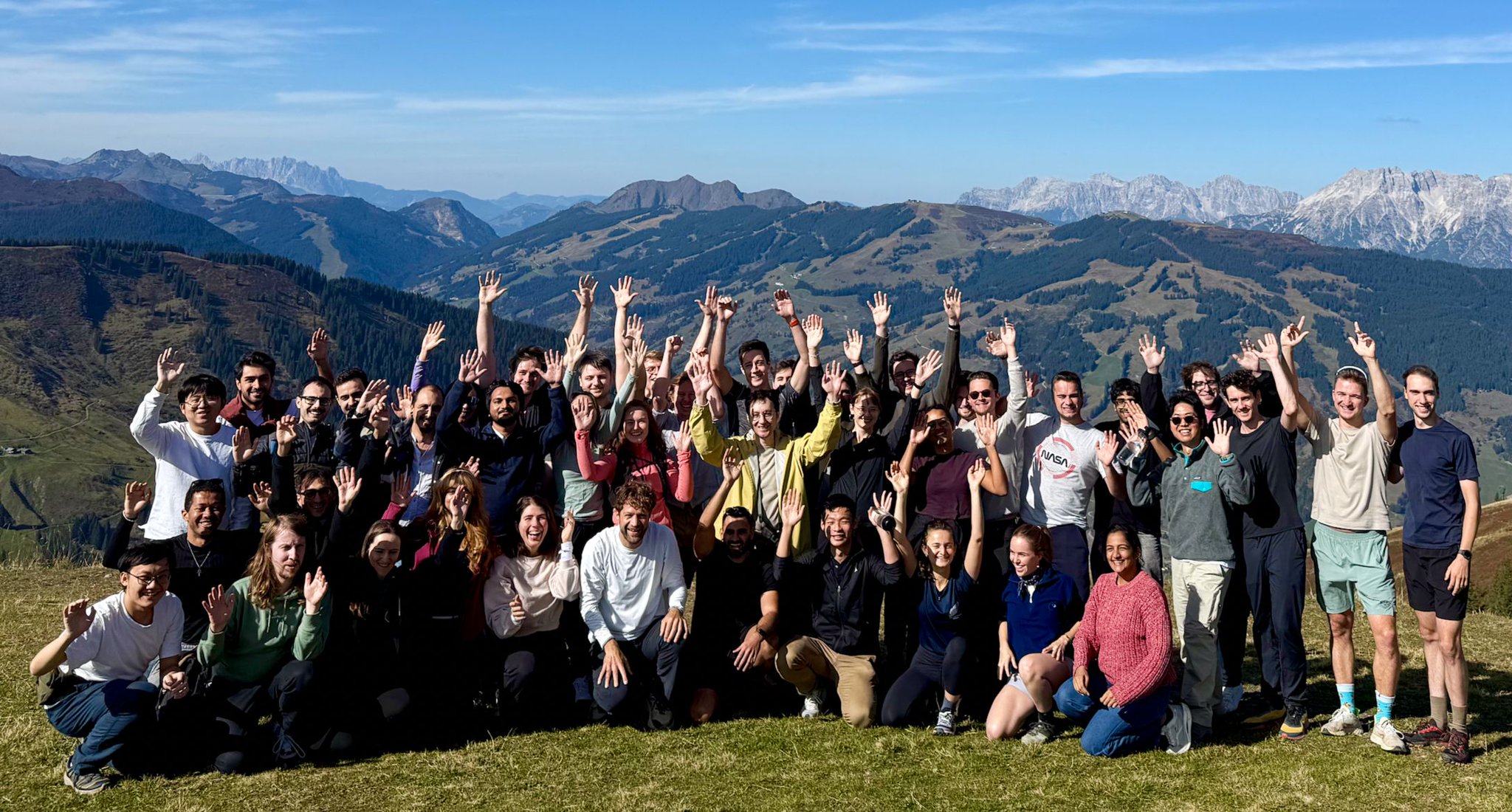
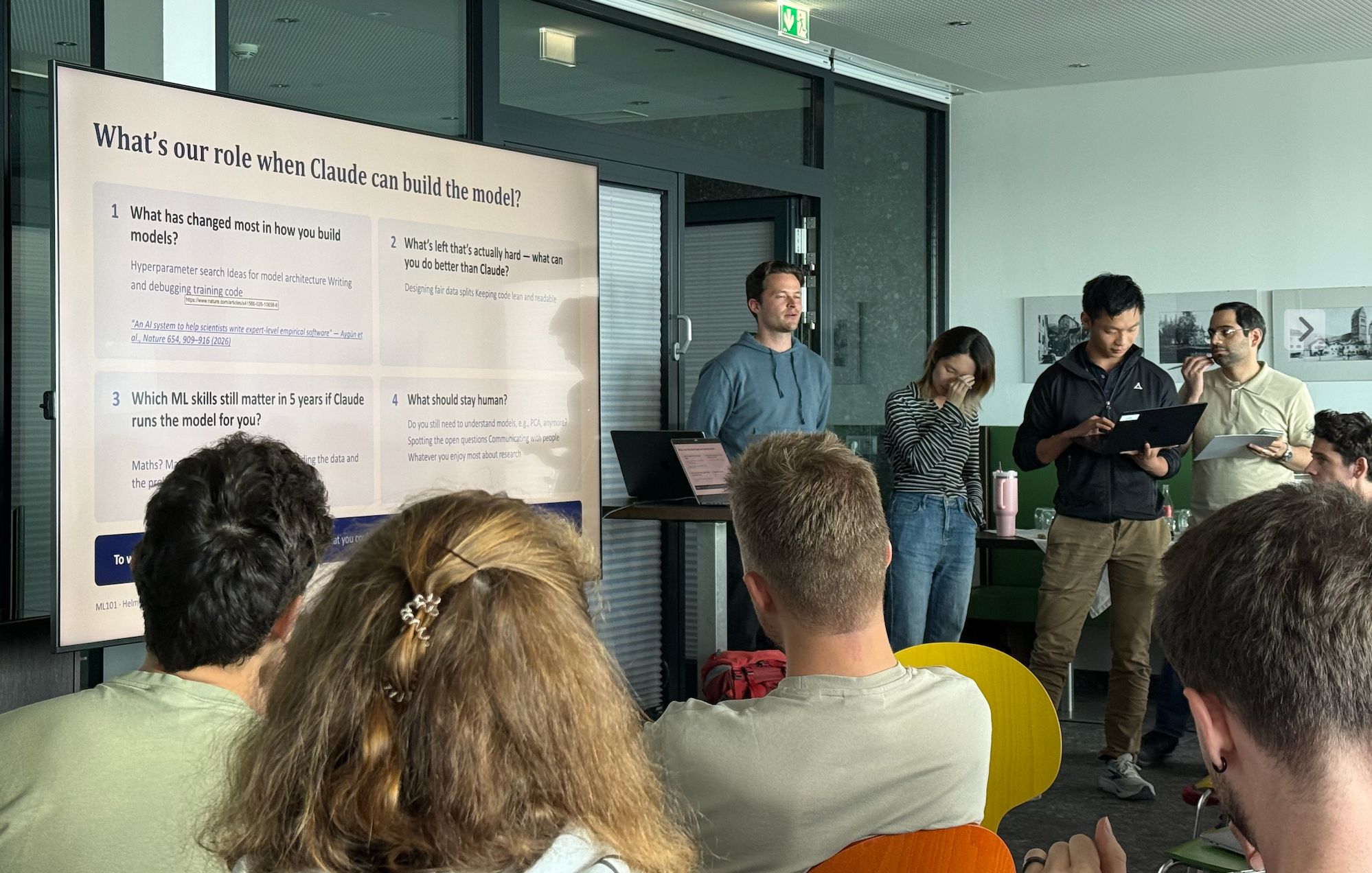
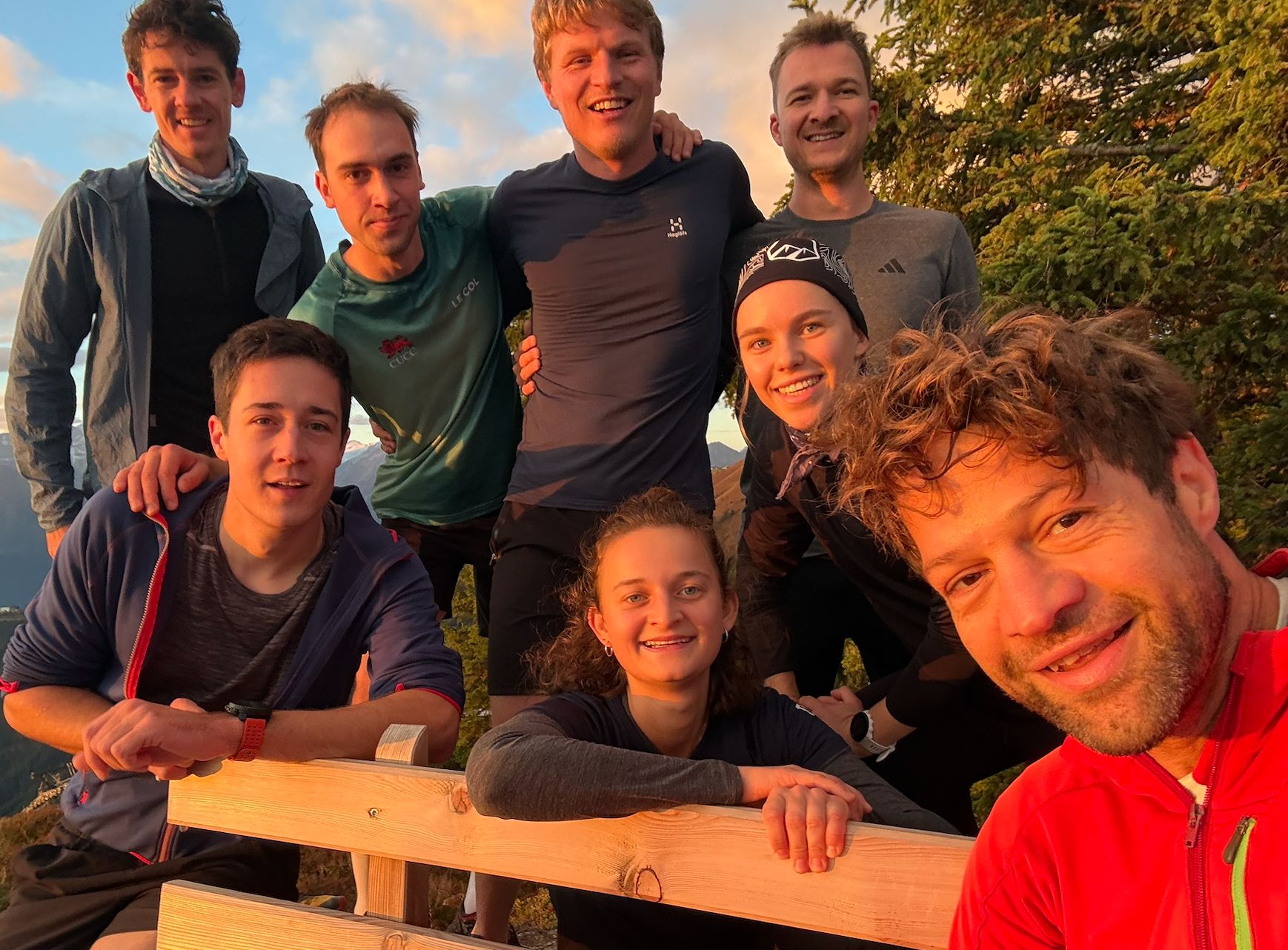
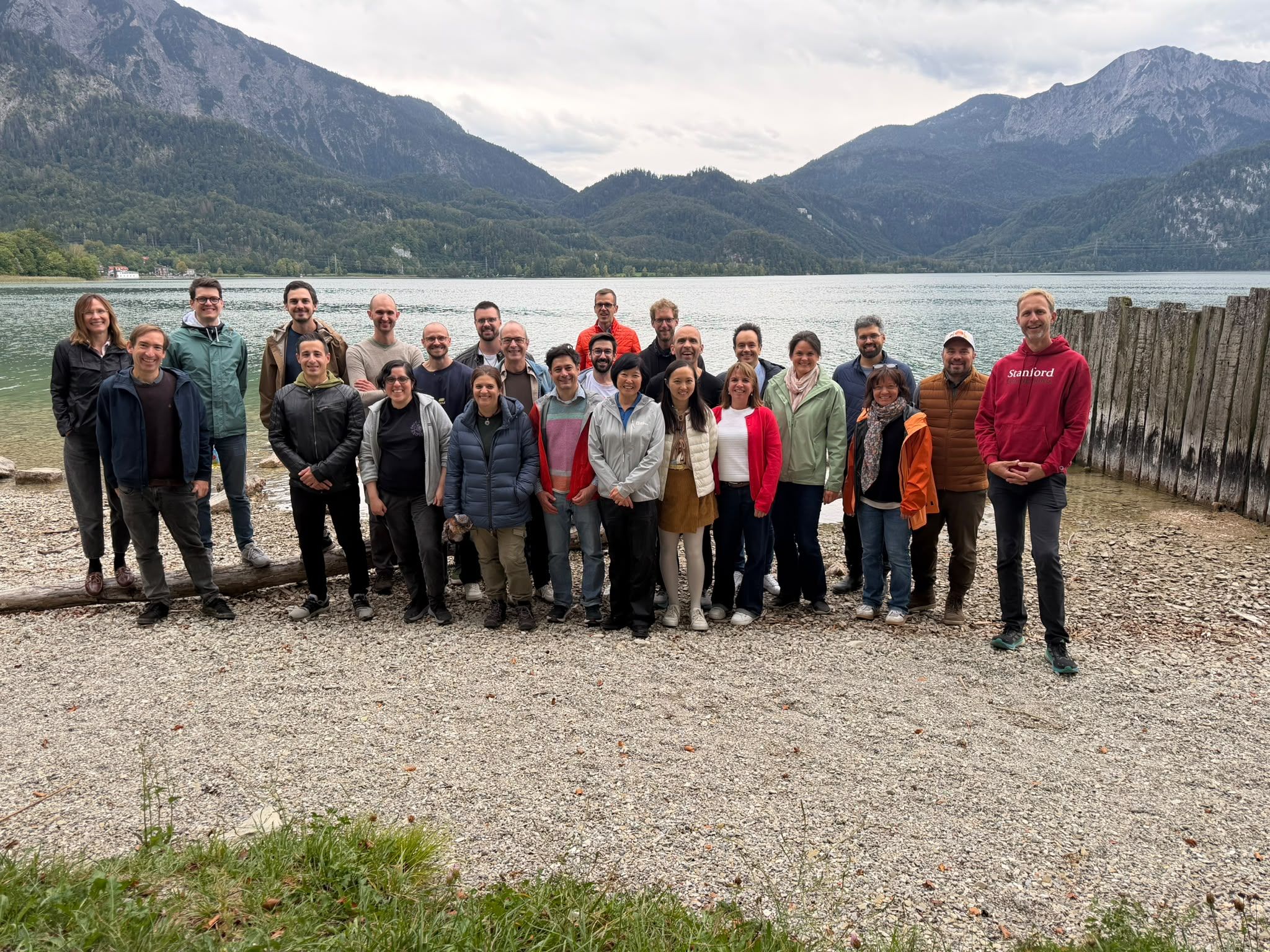
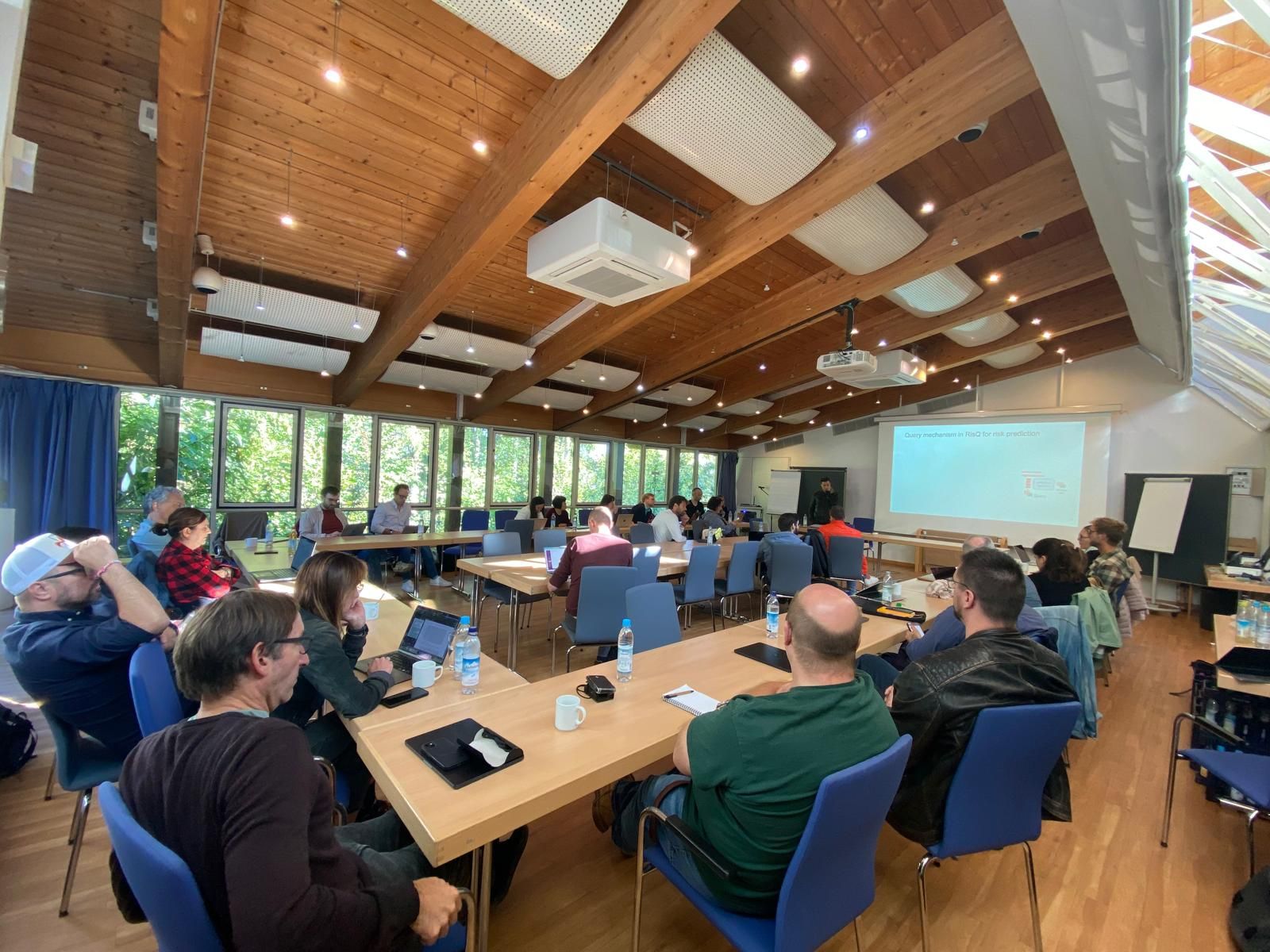
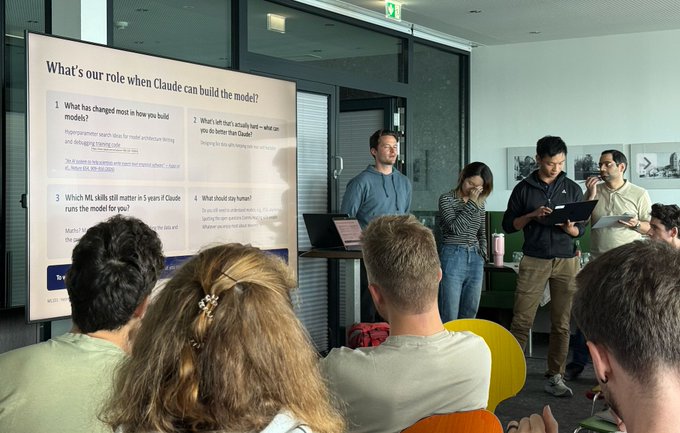
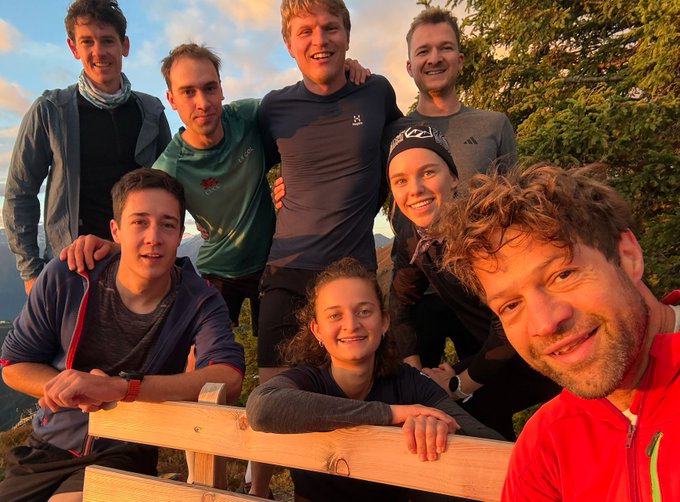
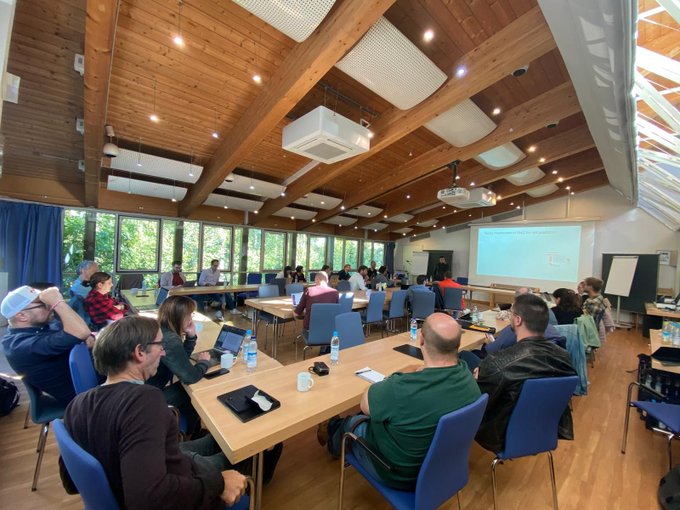
What’s our role when Claude can build the model? One of the questions sparking lively discussions at our Theis lab retreat in Zell am See this week. Which questions should we ask, which experiments do we need, and how do we know whether a model has learned something meaningful about biology? An exciting program, put together and led by the team: from biology and ML primers to agentic coding, perturbation prediction, spatial omics, foundation models and clinical translation. Lots of connections to our virtual cell ambitions, and plenty of ideas for where to take the lab next. Really enjoying the openness, curiosity and great spirit everyone brings. Having time to think together about the future of comp bio, learn from each other, and talk beyond our everyday projects is special. Mountain views and a morning run with the team help too 😊 A big thank you to the organizing team and everyone contributing to the sessions and discussions! Great science, big questions, lots of laughter. Love this lab ❤️
View on X: post of 7 Oct 2026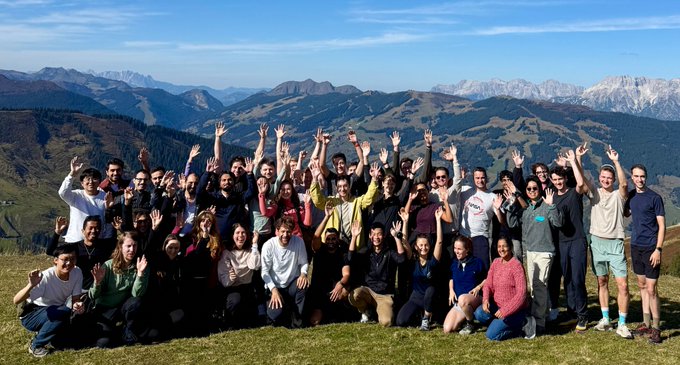
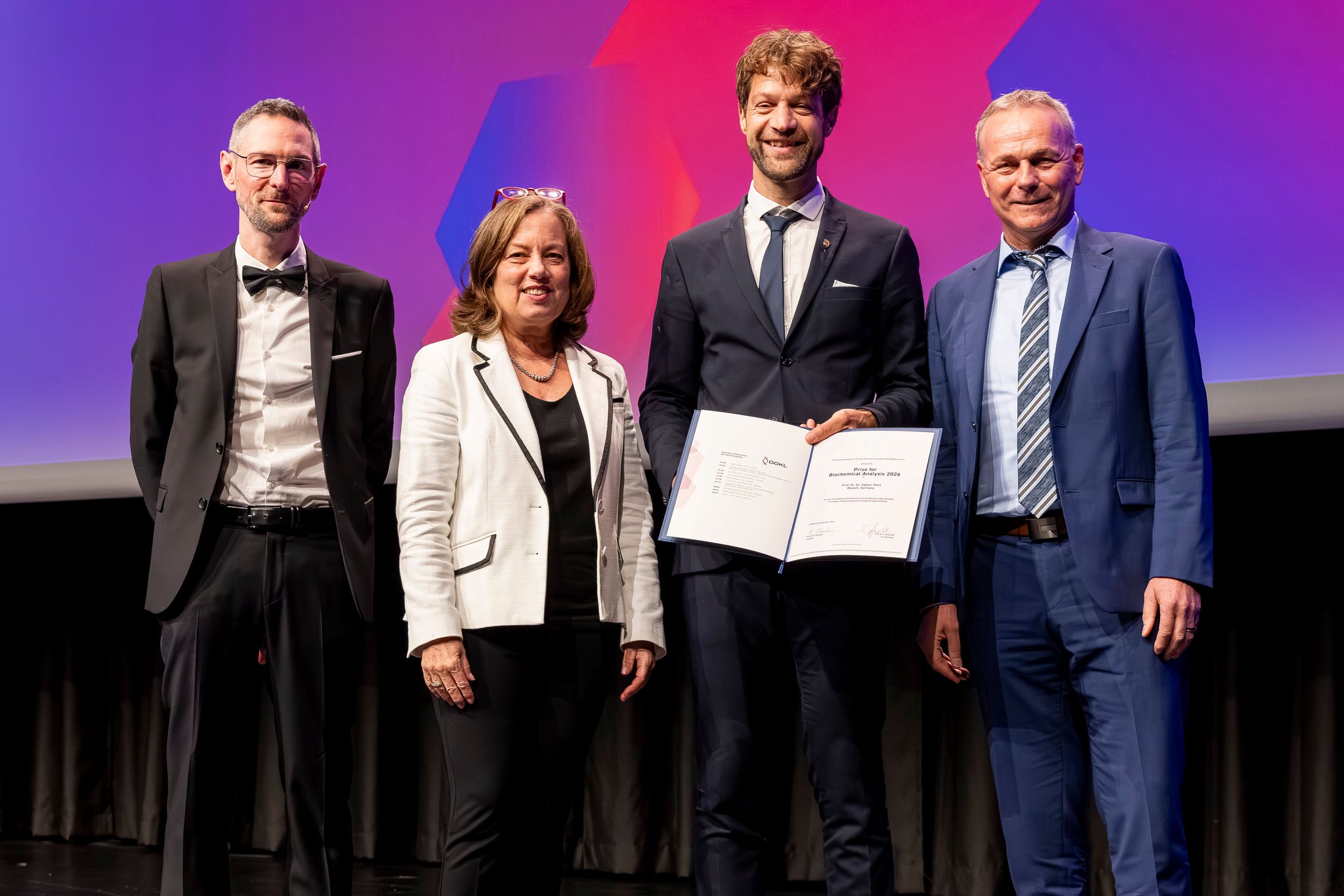
Very grateful to receive the 2026 Biochemical Analytics Award from the German Society for Clinical Chemistry and Laboratory Medicine (DGKL) 🏆 The award recognizes our work using AI to better understand cellular complexity, including single-cell omics, cell atlases and their connection to precision medicine. It felt particularly fitting to receive the award yesterday in Hamburg at #DKLM2026. Laboratory medicine is already an extraordinarily quantitative and data-rich discipline, and as measurements become more molecular, cellular, multimodal and longitudinal, AI can help turn them into biological states, trajectories and a deeper understanding of disease. I was very happy to share the award with John D. Lambris, whose pioneering work on compstatin and complement C3 helped establish a new therapeutic direction in complement medicine. And a small historical connection I enjoyed discovering: Frederick Sanger received this award back in 1980. Quite special for me today to also have the privilege of being associated with the institute that carries his name. Many thanks to Mariam Klouche and the DGKL, and to SARSTEDT for supporting this long-standing award. The prize has been awarded for more than 50 years for advances in biochemical and molecular analytics, great honor! But most importantly, this is an opportunity to thank the people behind the science. I have been incredibly fortunate to work with a fantastic lab and team, and with extraordinary collaborators across biology, medicine, technology and computation. These collaborations are not just what made much of our work possible. They are how I learned most of the biology and medicine I know, and a huge part of why I enjoy doing science so much. The best projects have always been those where people with very different expertise genuinely try to understand a problem together. I’m deeply grateful to everyone who has been part of that journey. ❤️ #ComputationalBiology #LaboratoryMedicine
View on X: post of 1 Oct 2026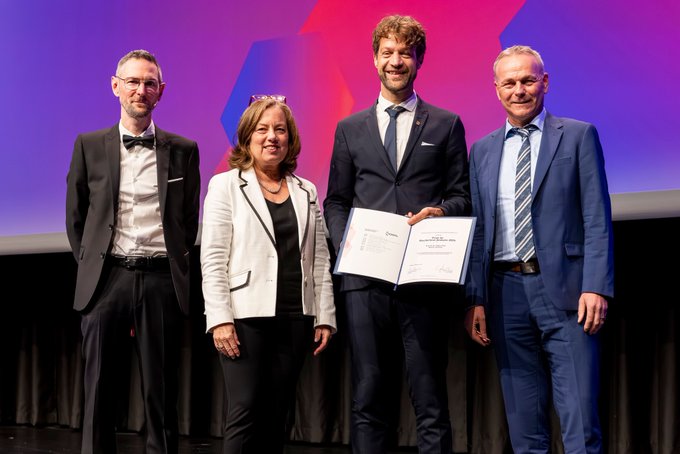
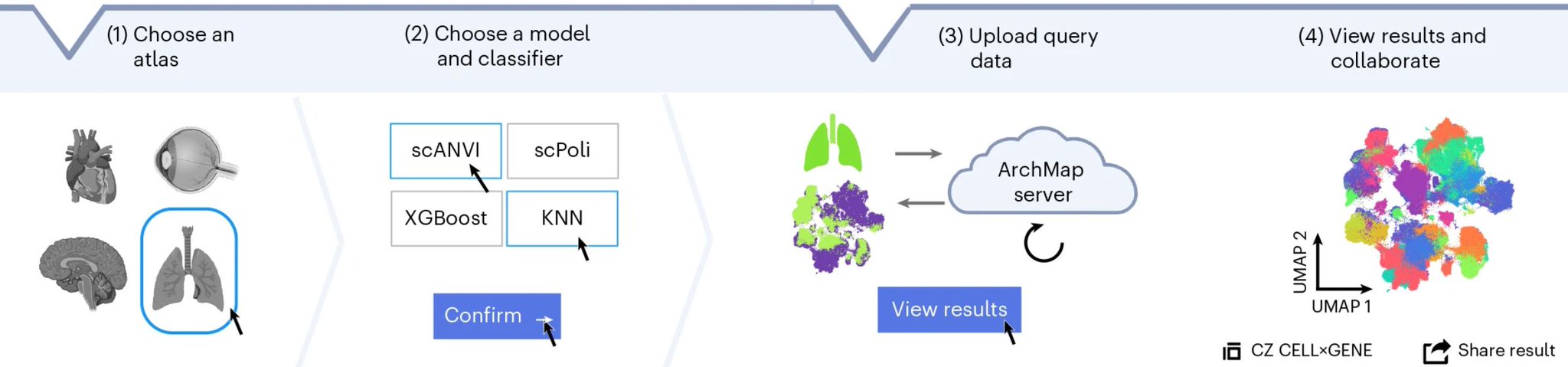
🧬 We are building increasingly detailed maps of human cells. How do we make them useful for everyone generating new data? Our new paper in Nature Genetics introduces ArchMap: a free web platform for mapping single-cell datasets onto reference atlases, without writing code. Built scArches, ArchMap brings reference mapping, cell-type annotation, uncertainty estimates and collaborative exploration into one workflow. One aspect I particularly like: understanding where a new dataset differs from the reference. In a pulmonary fibrosis example, we show how annotation uncertainty, followed by gene-expression analysis, can help reveal disease-associated cell states. For me, this is useful for Human Cell Atlas and related efforts: making the maps we build accessible as everyday tools for biological discovery. Congratulations to Mo , Chelsea, Ronald, Malte and the whole team! Try ArchMap: archmap.bio Read the paper: nature.com/articles/s4158… #SingleCell #HumanCellAtlas #ComputationalBiology
View on X: post of 30 Sept 2026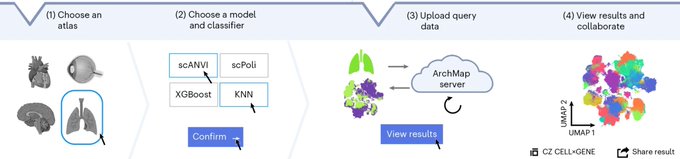
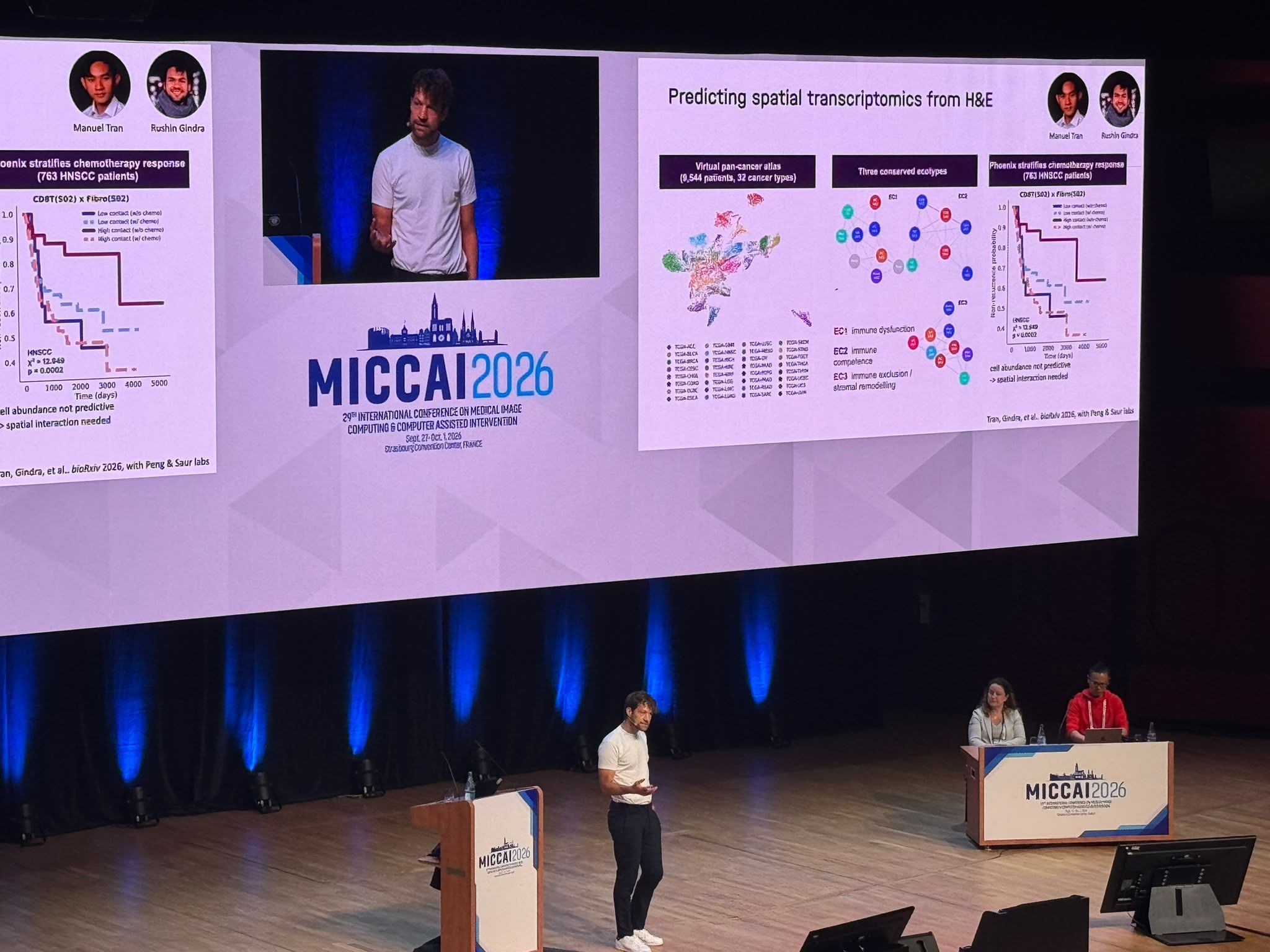
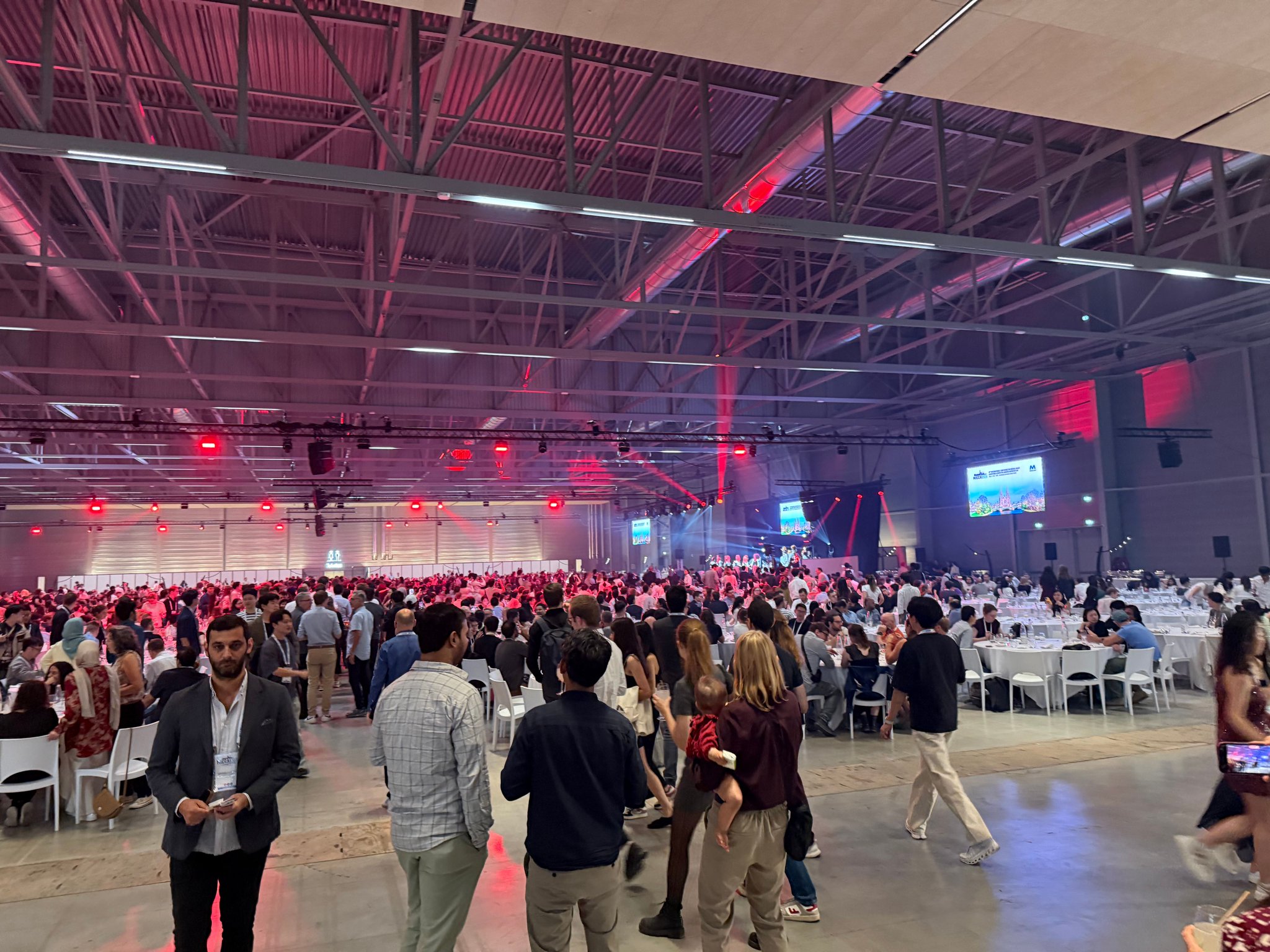
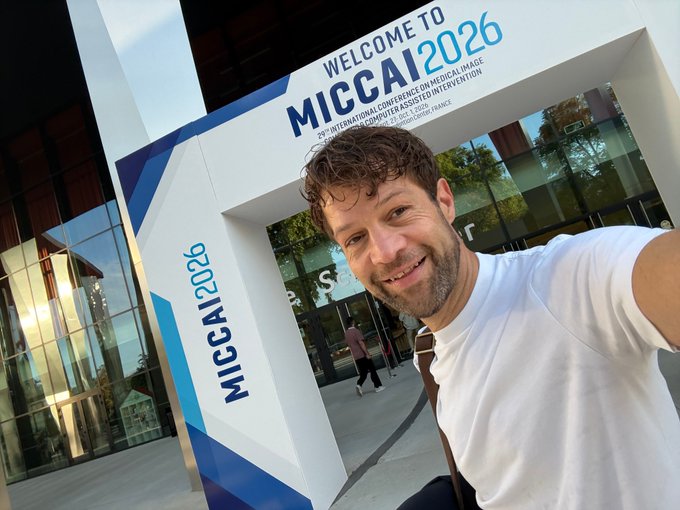
From cells to patients, can we build world models of biology? 🧬🩻 A short but intense one-and-a-half days at #MICCAI2026 in Strasbourg, with more than 3,000 participants across medical imaging, machine learning and clinical AI. In my keynote this morning, I came back to a simple progression: MAP → PREDICT → STEER First learn representations of biological state. Then learn how states change, including under intervention. This is where the idea of biological world models becomes particularly exciting. And ultimately ask the inverse question: how could we steer a system toward a desired state? What generated some of the most interesting discussion was adding scale as second axis: At the cellular level, we increasingly have deep measurements, controlled perturbations and the ability to close experimental loops. At the patient level, we have enormous observational cohorts, longitudinal records and imaging, but far fewer controlled interventions. Connecting those scales raises fascinating questions. Can clinical predictions be linked back to cellular and mechanistic biology? Can that make models more explainable? And what would steering mean at the clinical level, where experimentation is fundamentally different? For me, this is where the Virtual Human becomes interesting: not as one giant model, but as a composition of models across scales and data regimes. Stimulating conversations after the talk, and a huge conference dinner and wild party yesterday evening. 🎶🥂 Now onward. 🙂 #MedicalImaging #ComputationalBiology #AI
View on X: post of 30 Sept 2026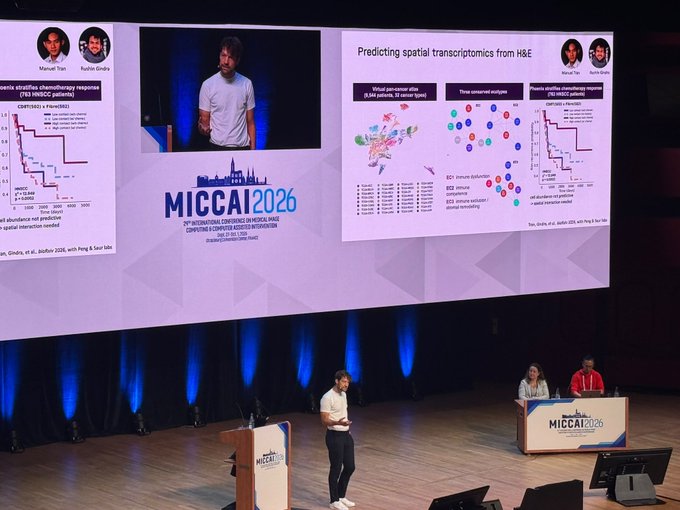
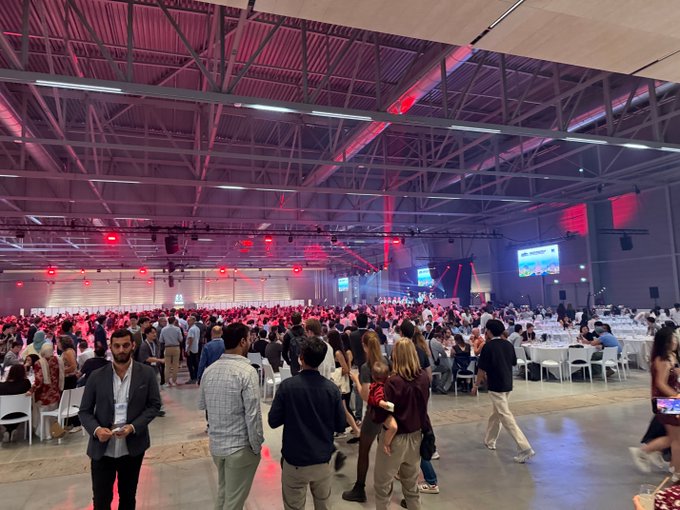
Location matters. 🧬📍 A beautiful start to #ESSB2026 in Sitges/Barcelona today, bringing together >700 scientists around this year’s theme: “Painting a New Biology.” Spatial biology has transformed our ability to map biological systems by adding something fundamental: where things happen. In my intro keynote, “Closing the loop: from single-cell perturbations to spatial interventions,” I looked at what I think is the next step. We are becoming remarkably good at mapping biological states. Can we move from mapping to predicting what happens when we intervene, and ultimately to steering biology toward a desired state? I discussed our journey from cellular and spatial atlases and foundation models, through perturbation models and biological world models, to LabCompass, where generative inverse design and experiments are brought together in a closed loop. And spatial biology makes the challenge even more interesting: perturbation space already explodes across dose, time and biological context. Once spatial context and cellular interactions matter too, we will never measure everything. That makes learning in the loop with experiments increasingly important. Wonderful introduction by the ESSB founders and hosts, and a beautiful setting here in Sitges 🌊. Looking forward to the discussions! #SpatialBiology #VirtualCell
View on X: post of 28 Sept 2026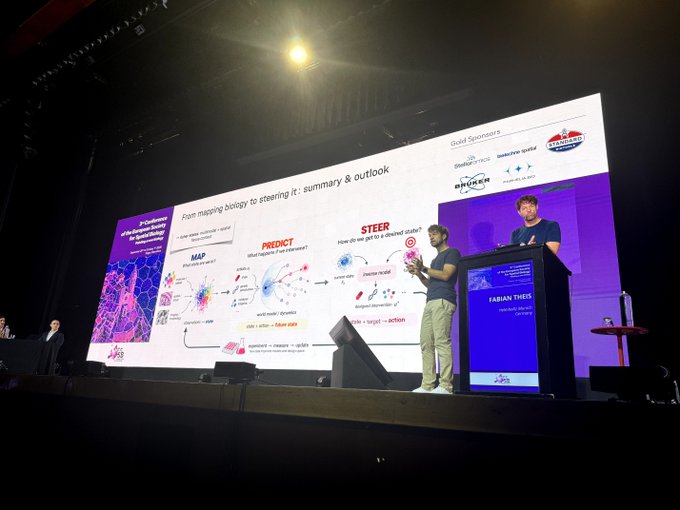
More than 30 PIs, one beautiful lake, and a lot of ideas about the future of computational health. 🌊🧬 We just wrapped up our Helmholtz Munich Computational Health Center's PI retreat at Kochel am See. A great opportunity to bring our community together and discuss where we want to go next. Importantly, we got very concrete about how we build our Virtual Human: connecting models across scales, bridging efforts across our labs, and turning many strong individual activities into something genuinely bigger than the sum of its parts. 🤝 And one of my favorite sessions was a slightly more “meta” evening discussion: how are we actually using AI to organize, support, and run our labs? 🤖 So many different ideas and little tricks. I learned a lot. From supporting scientific workflows and lab organization all the way to getting an agent to help with the dreaded German Reisekostenabrechnung. 😄 My takeaway: talk to your peers about how they use AI in their everyday work. There are so many nifty little workflows out there that you would probably never discover on your own. Great science matters. But bringing people together, sharing how we work, and learning from each other matters just as much. ❤️ #ComputationalHealth #VirtualHuman #HelmholtzMunich
View on X: post of 25 Sept 2026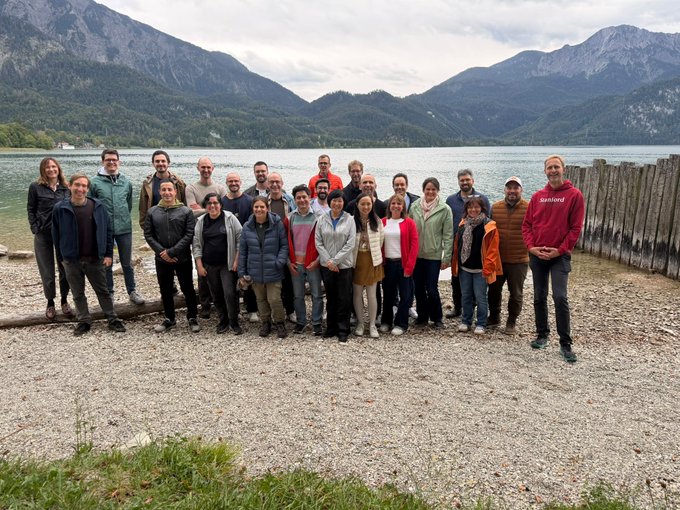
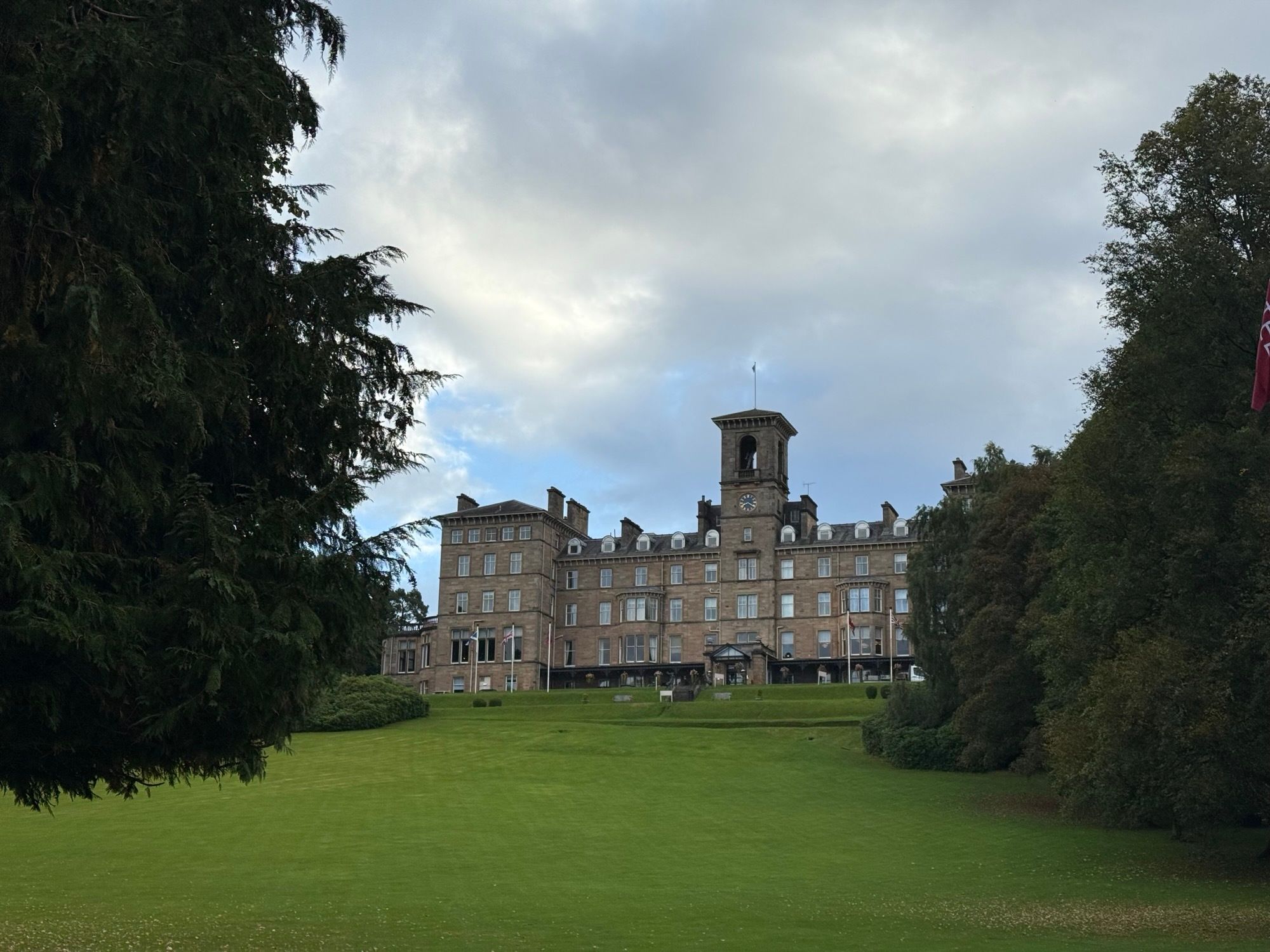
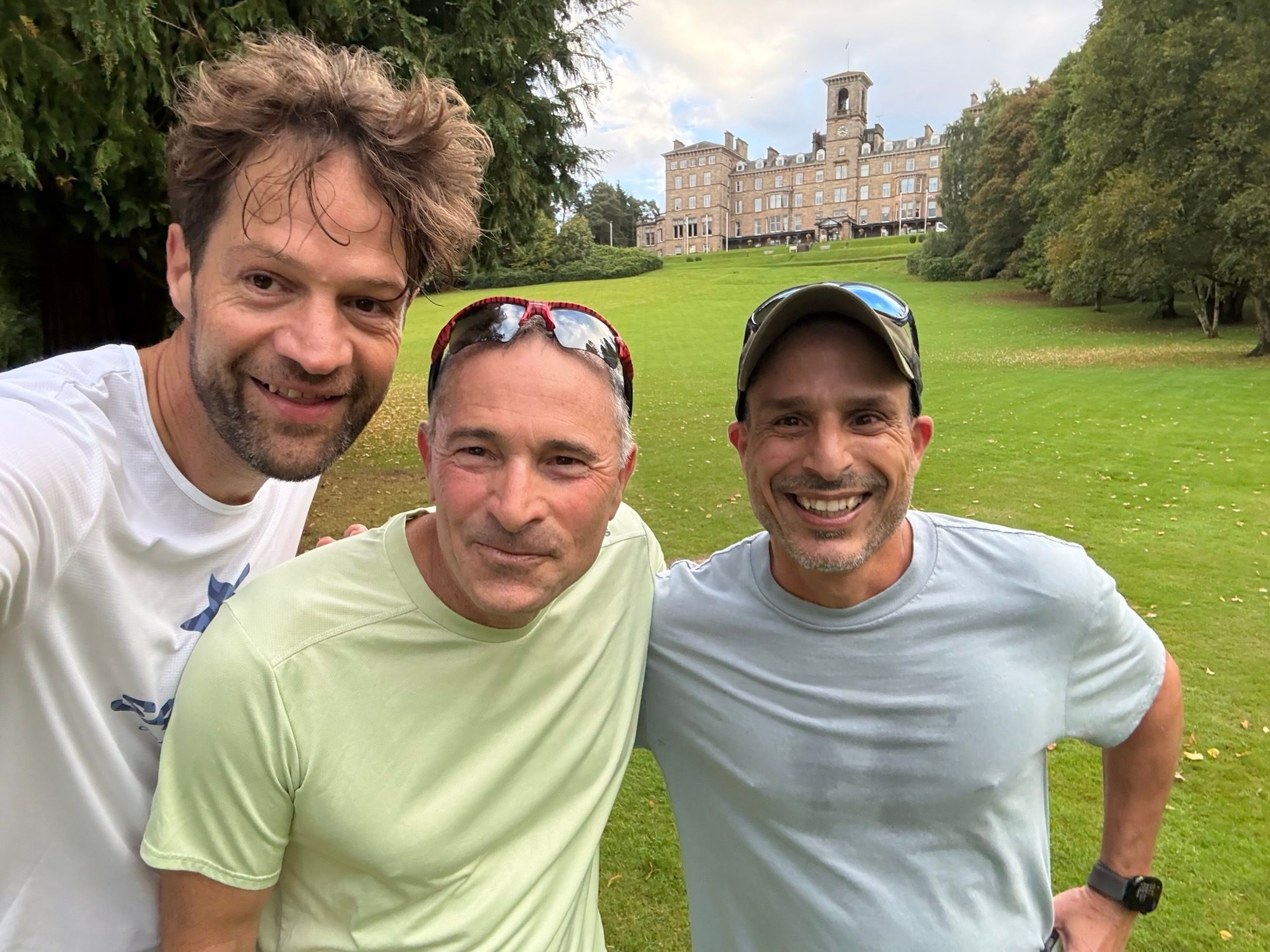
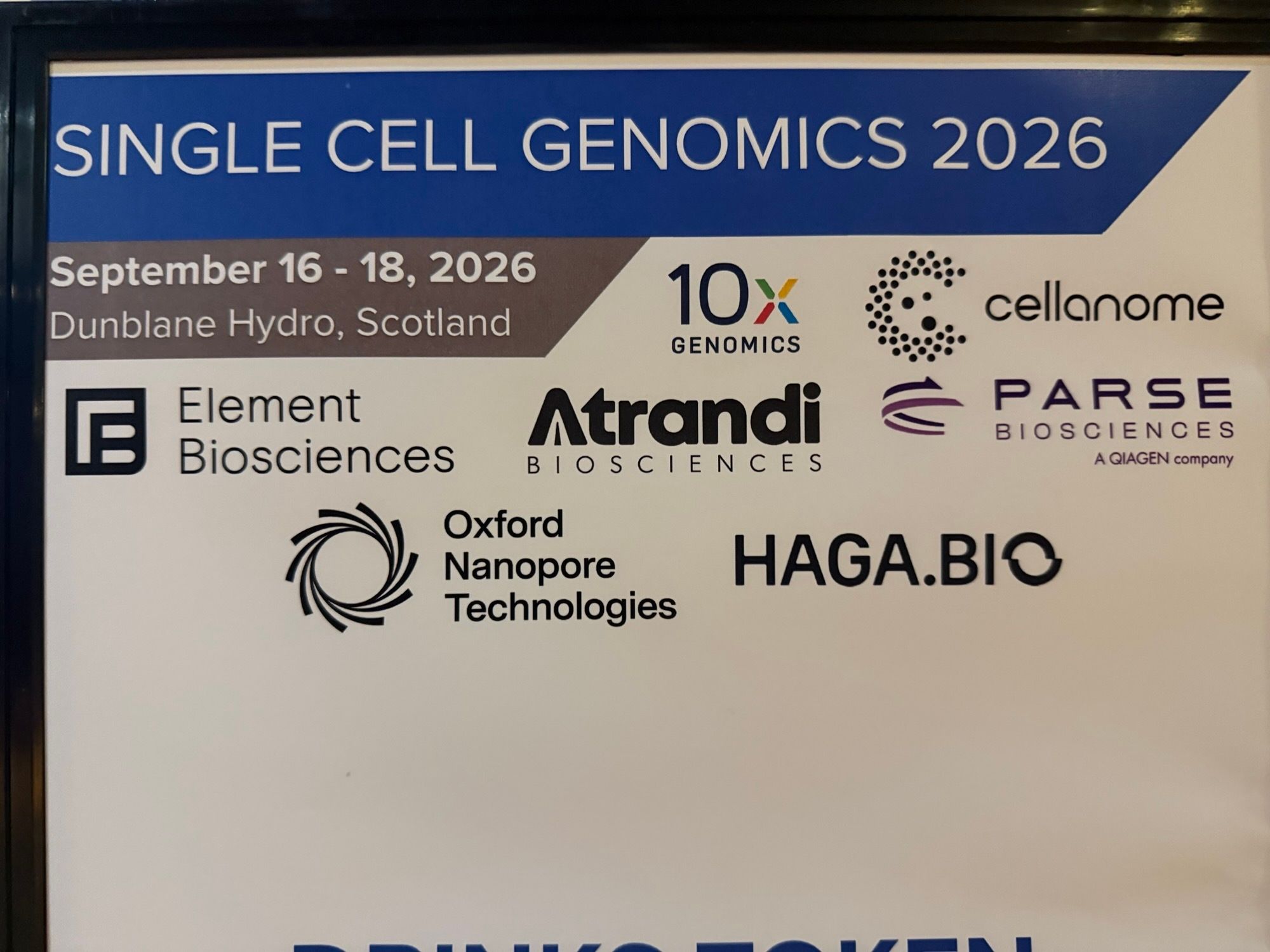
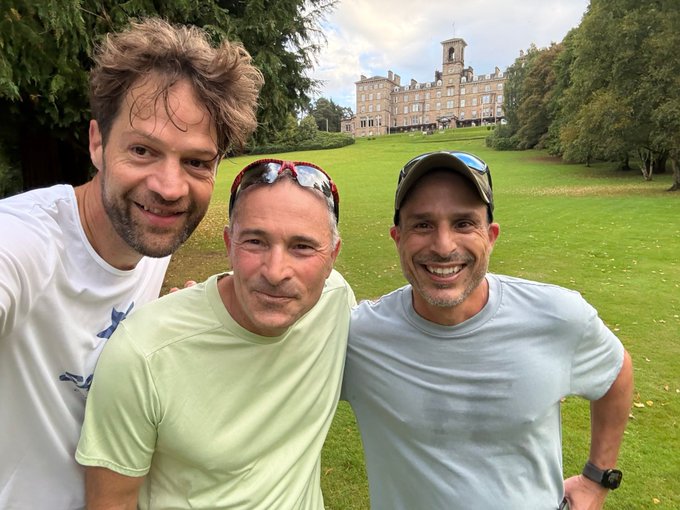
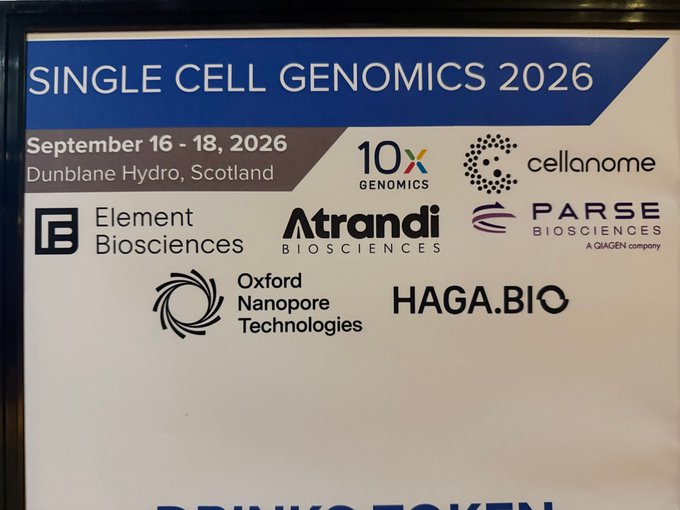
🧬 Single cell genomics is growing up. Great to be at SCG 2026 in Dunblane, near Edinburgh, surrounded by beautiful Scottish countryside. One of my favorite meetings for catching up with so many colleagues and friends and, above all, seeing where the field is heading. Yesterday I presented LabCompass, our generative inverse design approach that uses cellular world models not just to predict biology, but to help decide what experiment to do next. What strikes me at this meeting is how far single cell genomics has come. What started as a strongly technology driven field is increasingly becoming a foundation for understanding biology, disease and ultimately medicine. We are moving from measuring cells, to modeling them, to asking what we should do next. And some of the best discussions still happen outside the lecture hall. 🏃♂️ Great morning runs with Ido Amit, Barbara Treutlein and Nir Yosef through the beautiful countryside. Many thanks to John Marioni and the whole organizing team for bringing together such a fantastic community and program. #SingleCellGenomics #ComputationalBiology #SCG2026
View on X: post of 18 Sept 2026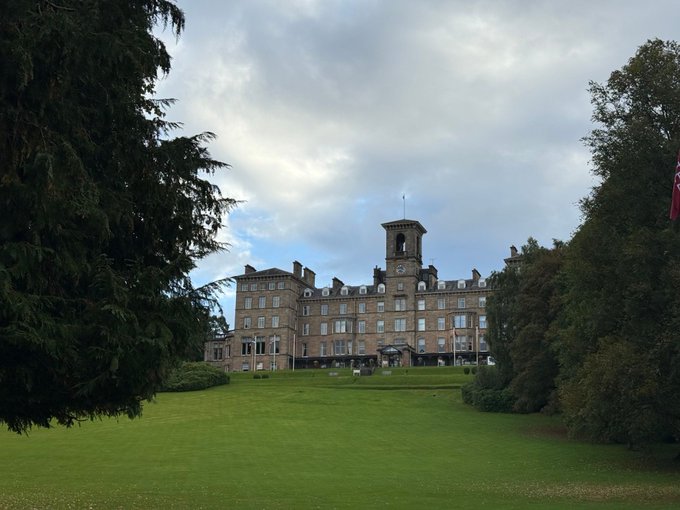
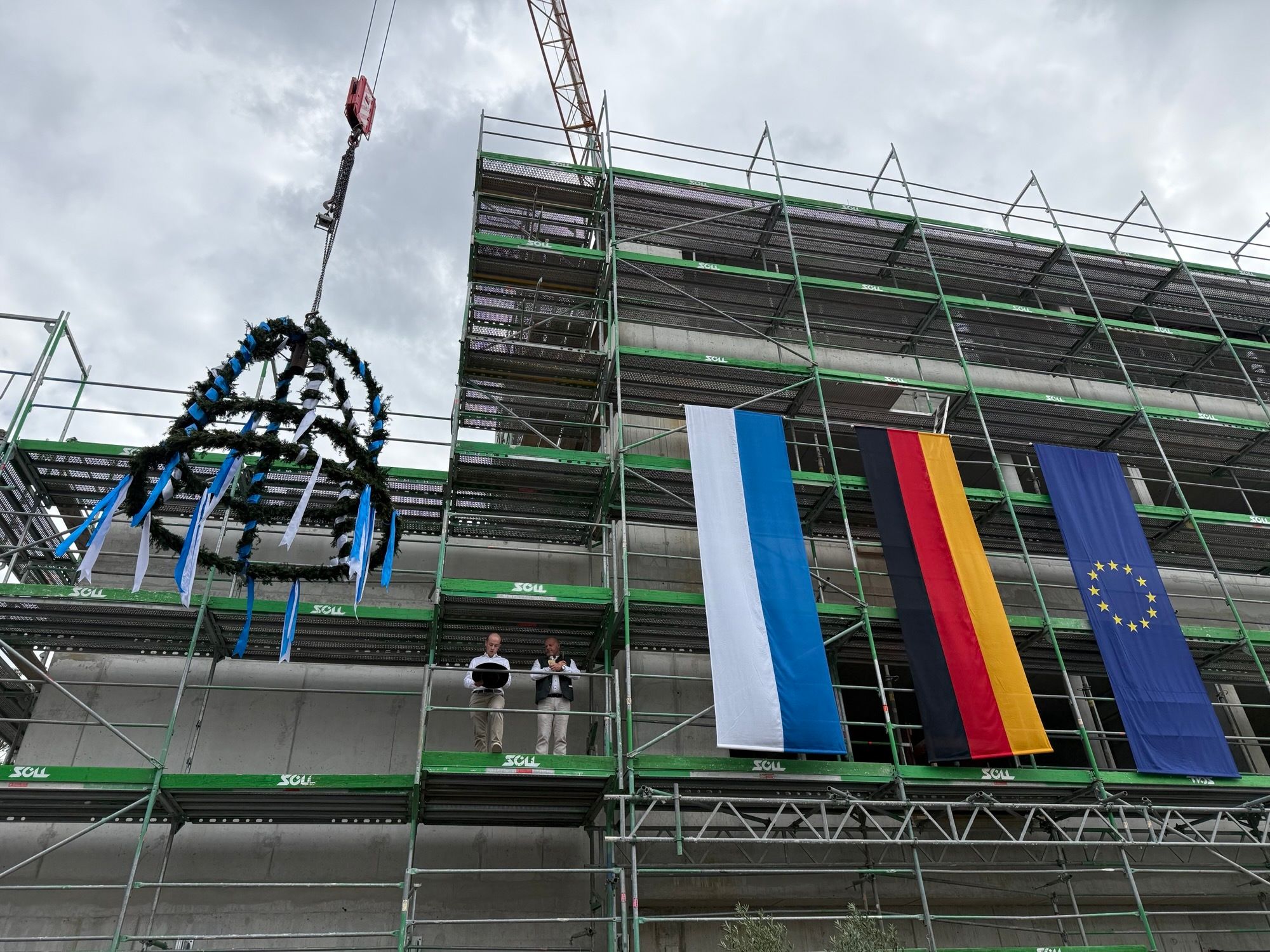
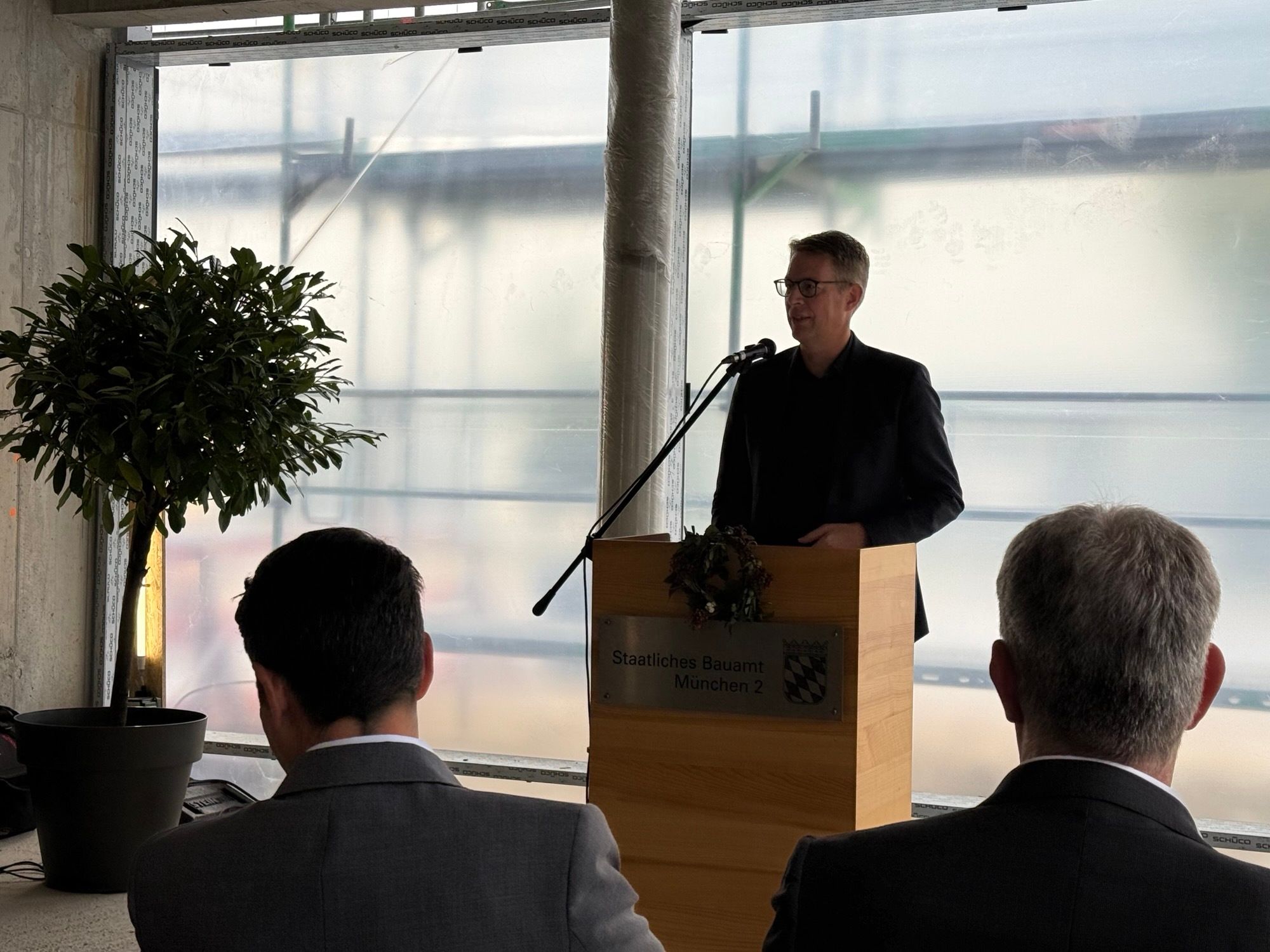
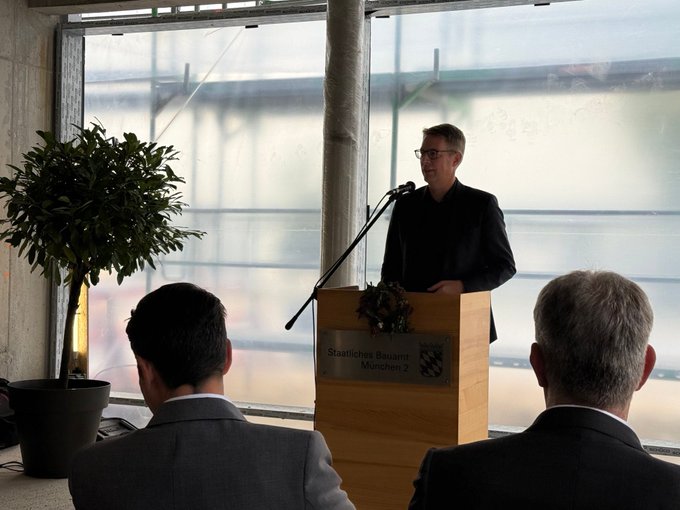
Topping-out ceremony at the ZDMG 🏗️ The shell of the Center for Digital Medicine and Health now stands on the campus of TUM Klinikum rechts der Isar. Bavaria's Science Minister Markus Blume joined us. Three signals I'm taking away: 🤝 Top-tier medicine is teamwork. Medicine, computer science and mathematics under one roof. Data scientists belong on a clinical campus just as much as clinician scientists do. 🔬 Top-tier research is at home in Bavaria. €47.1M from the Free State and the federal government, around 140 workplaces on 2,050 m², including a data observatory and a high-performance compute cluster. 🧩 It takes a joint strategy. The ZDMG doesn't stand alone. Together with TranslaTUM, the new MS Center, the MDSI and initiatives like the Highmed Agenda, Munich is building a real ecosystem for AI in medicine. From the groundbreaking in June 2025 to the topping-out ceremony, with completion expected end of 2027. Thanks to everyone building and researching here. 🙏 #ZDMG #TUM #AIinMedicine
View on X: post of 14 Sept 2026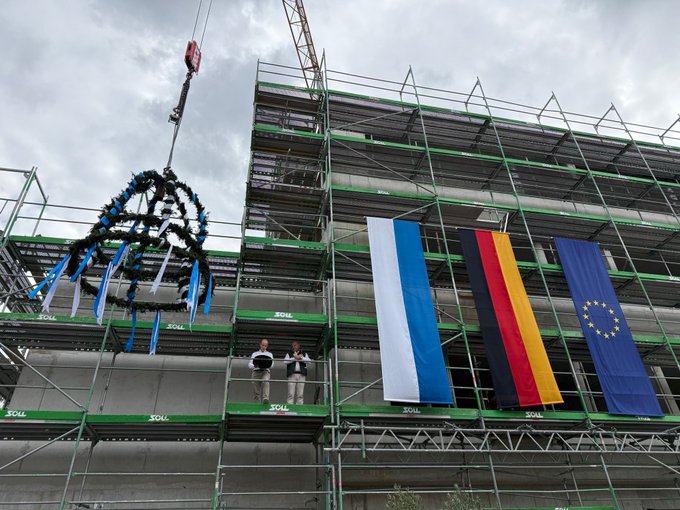
This feels like one of those moments when the future arrives all at once. OpenAI has published a solution to the Navier–Stokes existence and smoothness problem. This is one of seven Millennium Prize Problems selected by the Clay Mathematics Institute in 2000, carrying a $1 million prize and more importantly representing one of mathematics’ deepest unresolved questions. The Navier–Stokes equations describe how fluids move: air over an aircraft wing, ocean currents, weather systems, and blood flowing through our bodies. For almost 90 years, mathematicians have asked: if a three-dimensional fluid begins in a smooth state, must it remain smooth forever, or can the equations “blow up in finite time"? OpenAI’s answer is that such a breakdown can happen. Its AI system constructed a finite-time singularity and produced both an analytical proof and a formalization in Lean (a mathematical programming language if you want, to make sure proofs are correct). Obviously independent experts must still confirm that the formalization precisely matches the official problem. The mathematical significance would be enormous, even though the construction itself is highly engineered. But this goes far beyond an unchecked AI-generated argument. The impact is primarily foundational, ie doesnt suddenly better aircraft or weather forecasts. But it does/would settle a central question about the limits of one of physics’ most important models while demonstrating that AI can produce genuinely new, formally verified research mathematics. I believe also Google DeepMind has pursued AI-assisted mathematical reasoning and related work on fluid-dynamics singularities, but who would have imagined, when AI mainly meant prediction, classification, and data analysis, that pure mathematics would become such an extraordinary playground? Perhaps a broader pattern is emerging: AI appears particularly powerful at searching vast spaces for strange constructions that overturn universal claims. Earlier this year, an OpenAI model disproved Erdős’s 80-year-old unit-distance conjecture by finding an unexpected infinite family; more recently, an AI-assisted counterexample refuted the 87-year-old Jacobian conjecture in dimensions three and higher. We may be entering an era in which mathematicians and AI explore the deepest frontiers of knowledge together. Crazy & incredibly exciting times! [OpenAI announcement](openai.com/index/navier-s…) [Navier–Stokes proof paper](cdn.openai.com/pdf/32d9f210-8…) [Related Euler proof paper](cdn.openai.com/pdf/315b36cd-e…) #AIforScience #Math #NavierStokes
View on X: post of 9 Sept 2026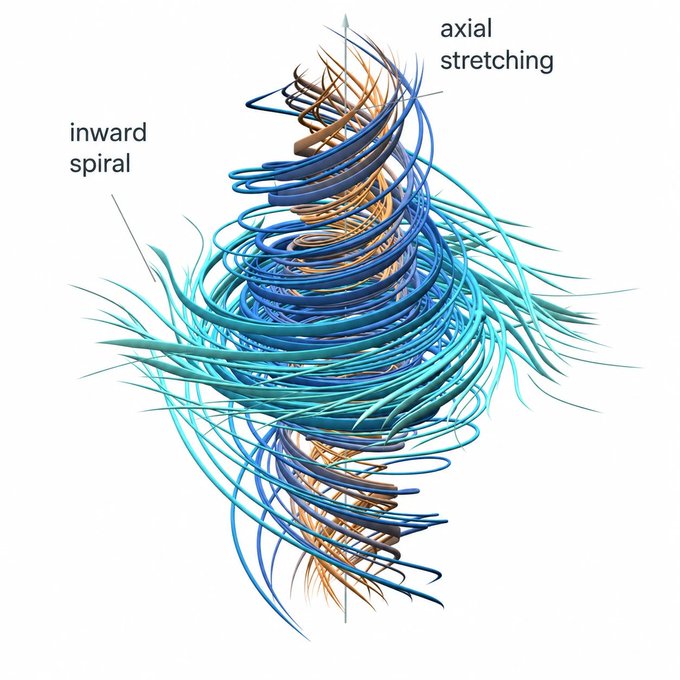
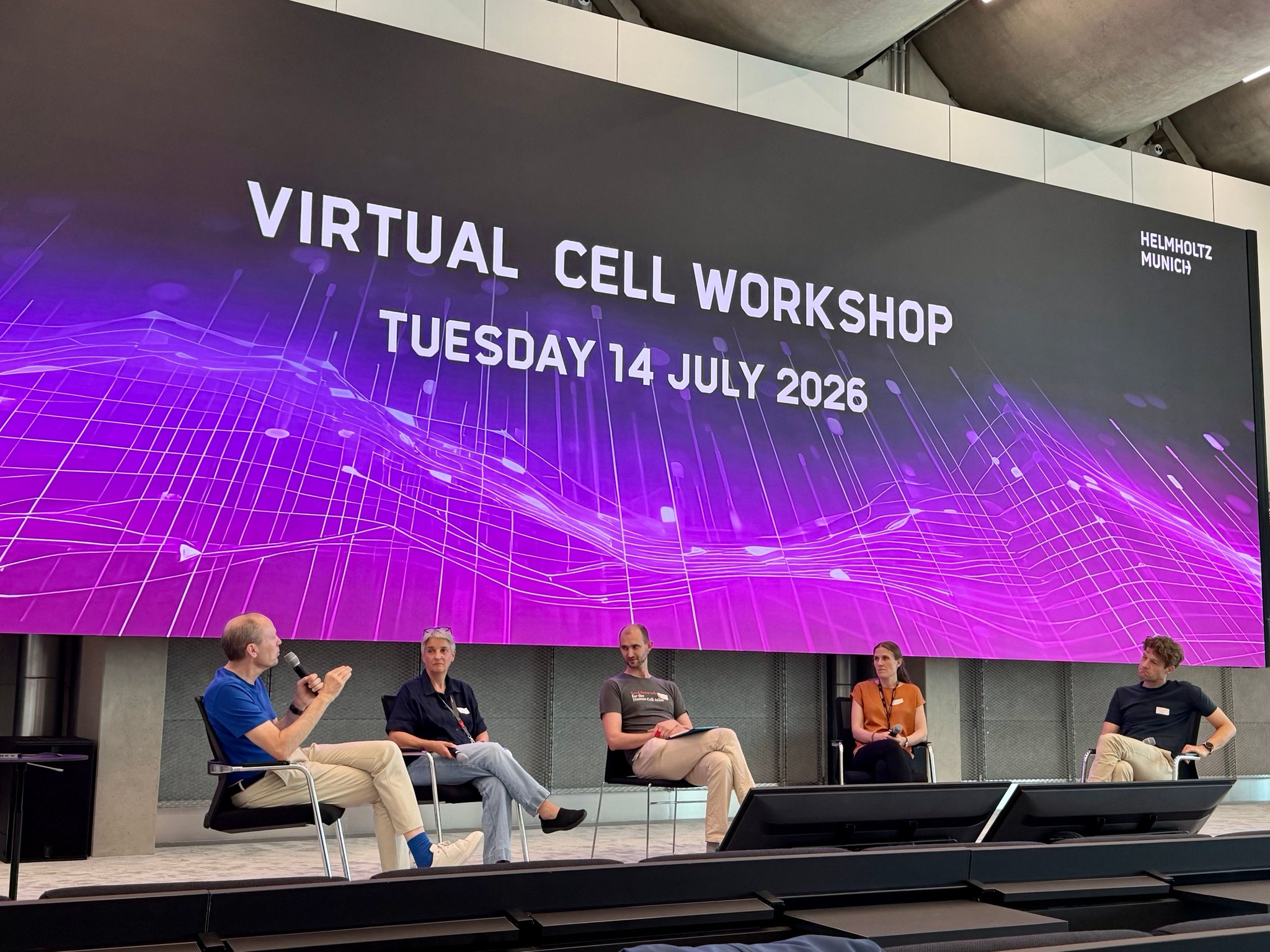
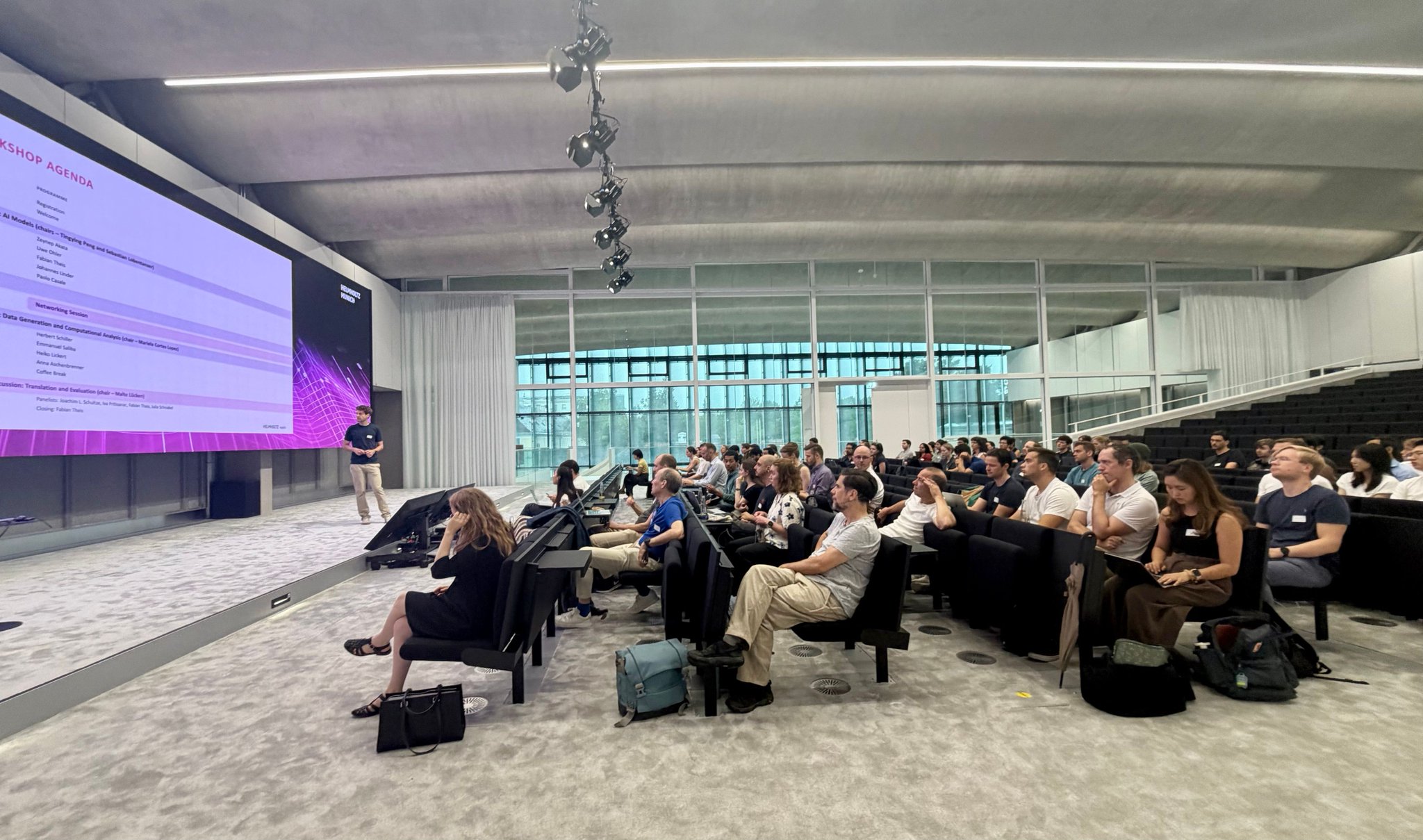
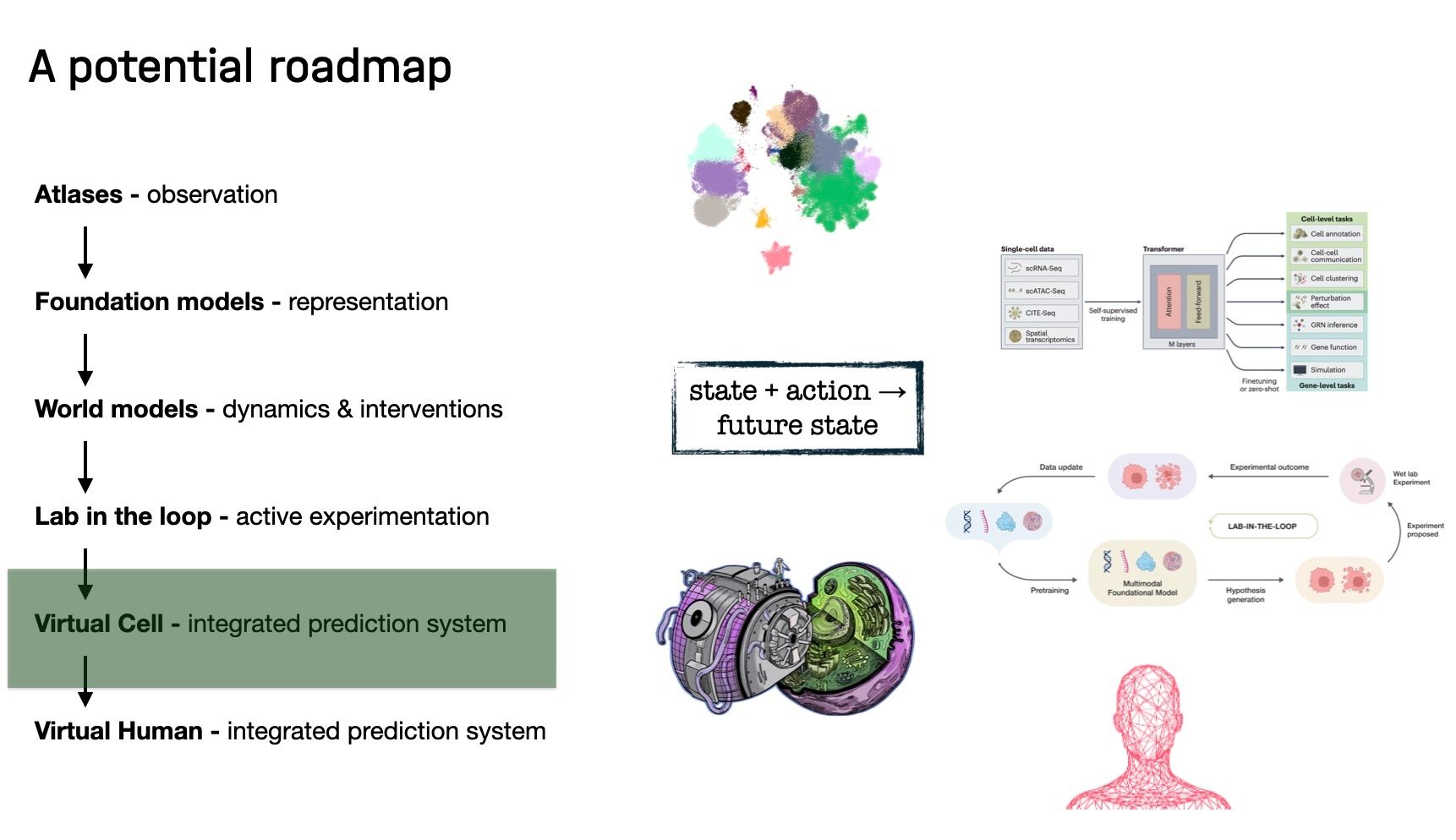
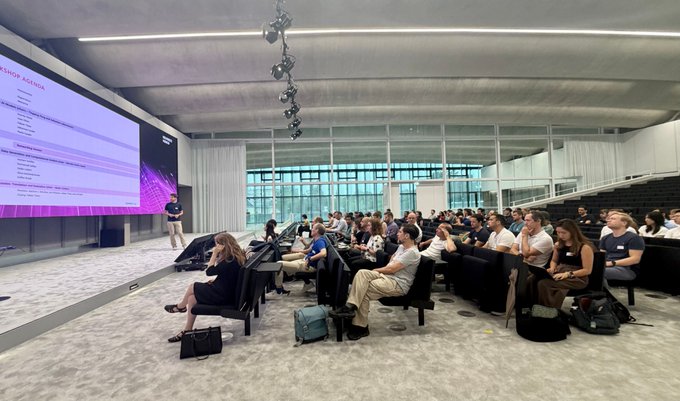
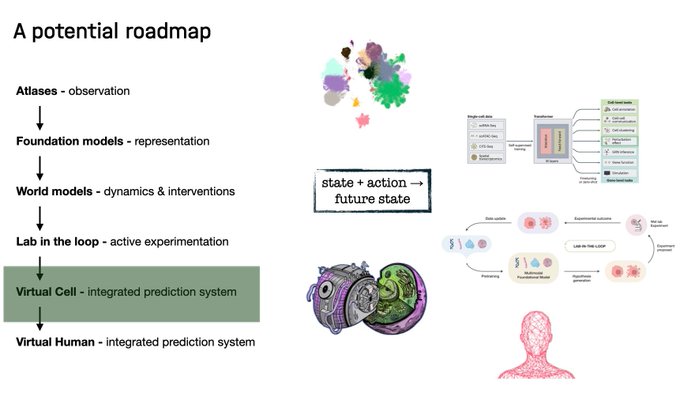
Great discussions, inspiring talks, and plenty of new ideas at the Helmholtz Virtual Cell Workshop, held this Tuesday at Helmholtz Munich! 🧬🤖 It was a pleasure to bring together researchers from across the Helmholtz Health community and beyond to discuss how AI, foundation models, single-cell and spatial omics, perturbation biology, and computational modeling can help us better understand—and ultimately predict—cellular behavior. One recurring theme throughout the day was a roadmap from cell atlases and foundation models to predictive “world models” and, ultimately, AI systems that can guide experiments and power virtual cells. A particular highlight was the lively panel discussion on where the field is heading and how we can work together across disciplines to accelerate progress toward virtual cells. A big thank you to all speakers, panelists, organizers, and participants for making it such an engaging and collaborative day! Learn more about the workshop and program: events.hifis.net/event/4192/ #VirtualCell #AI #SingleCell
View on X: post of 17 Jul 2026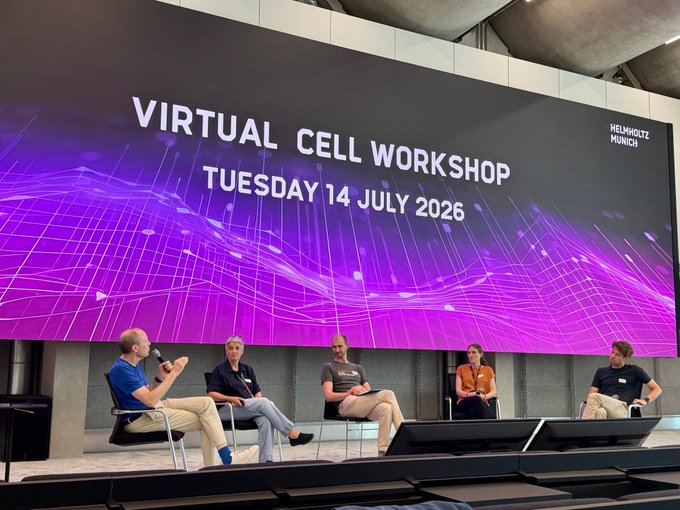
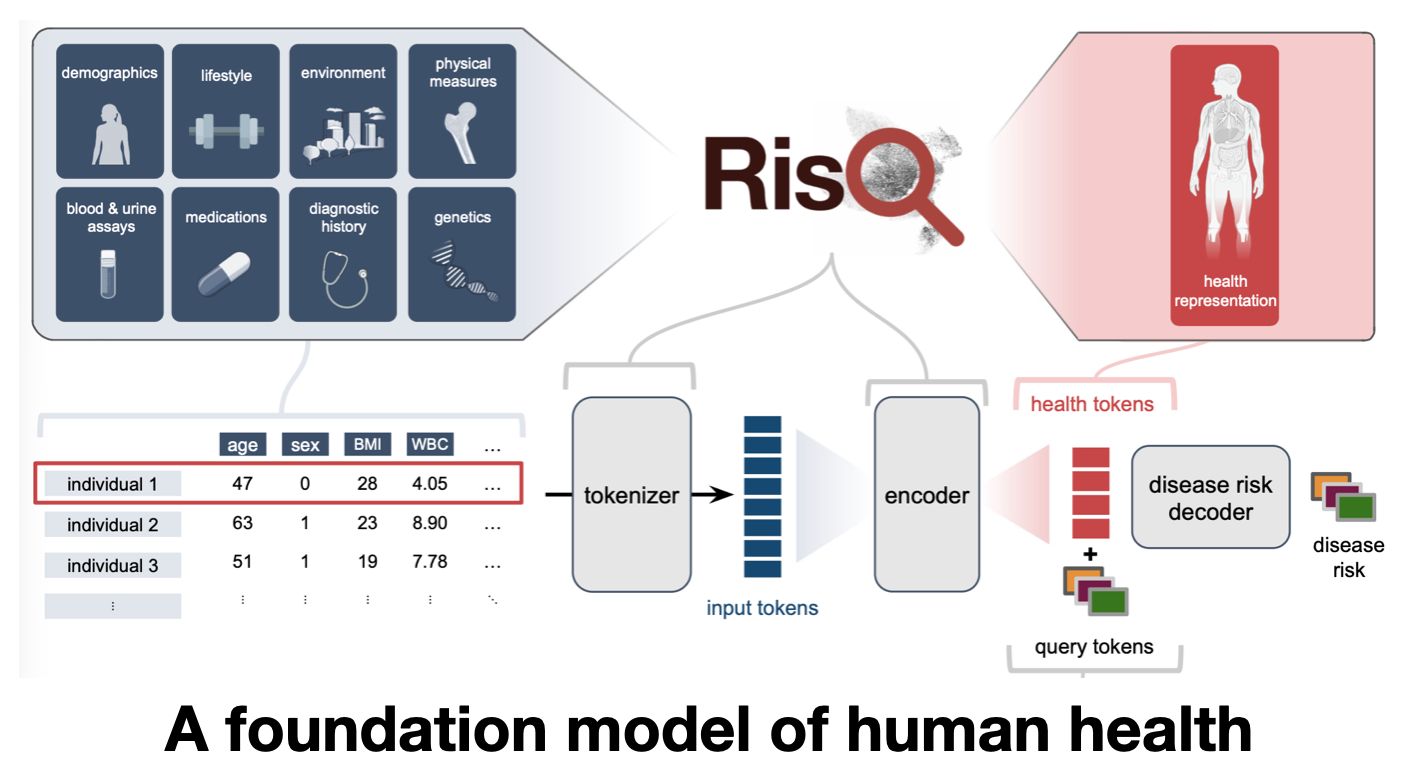
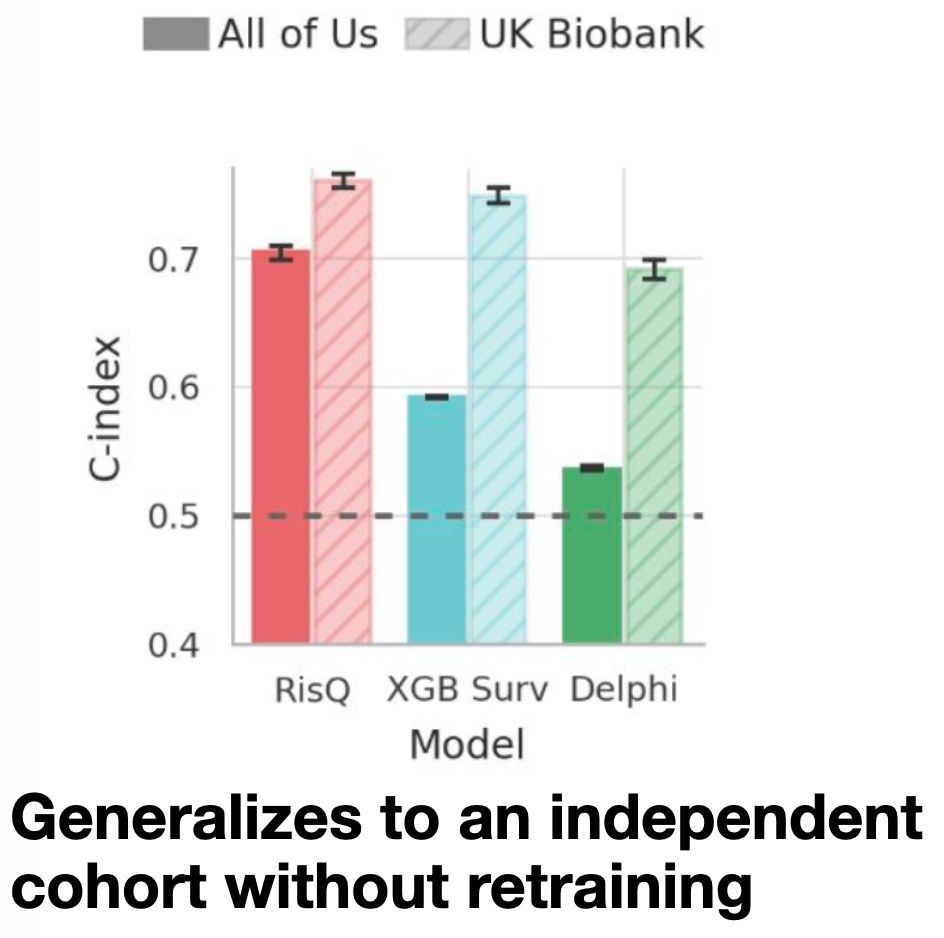
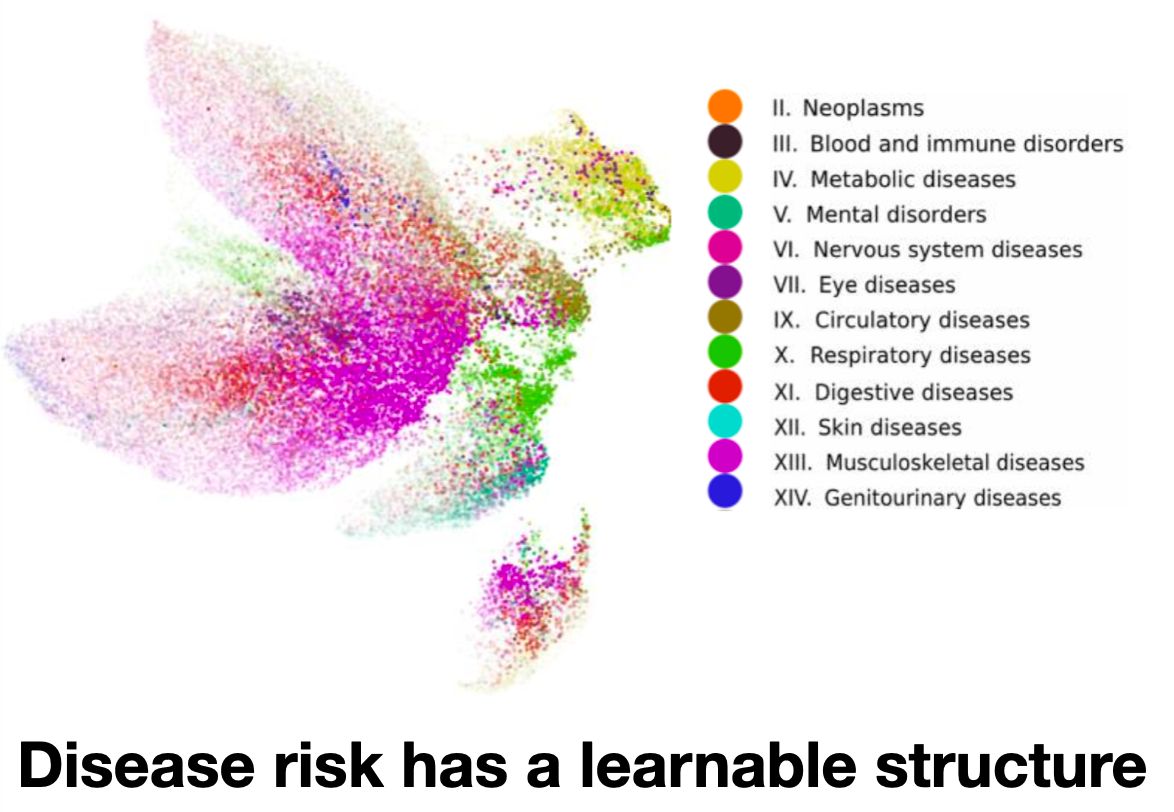
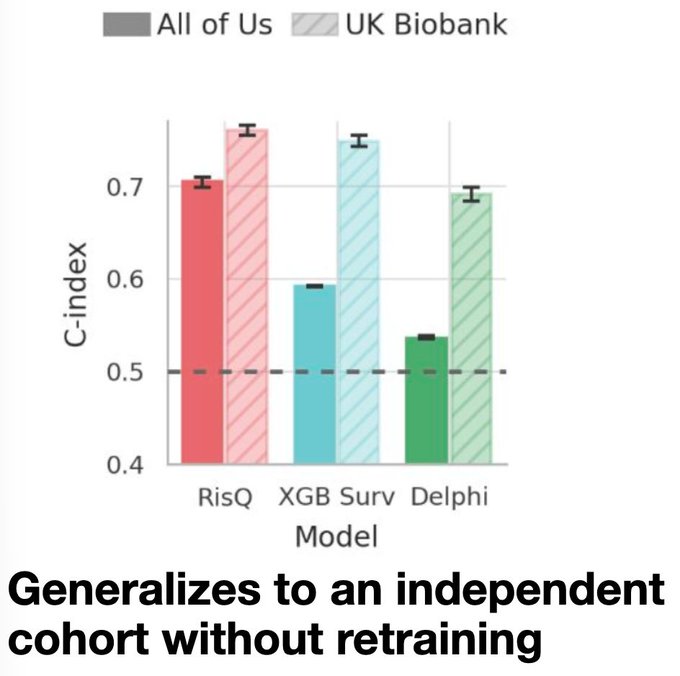
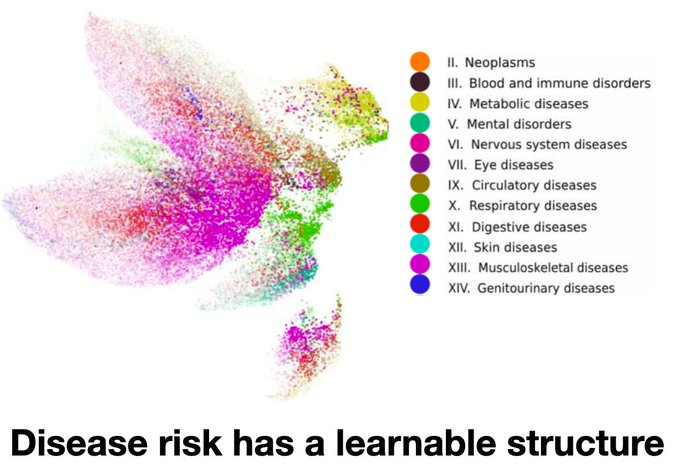
What if AI could learn the shared structure of human health across diseases, modalities, and time? Excited to share our new preprint introducing RisQ, an AI model that learns a shared representation of health across diseases, modalities, and time. 🚀 Some highlights: 🧬 A single model integrates genetics, biomarkers, lifestyle, medications, environmental factors, and longitudinal clinical history. 🌍 Trained in ~500,000 UK Biobank participants, RisQ generalizes to the independent All of Us cohort without retraining, outperforming strong disease specific and multi disease baselines! 🔬 The learned representation reveals reproducible cross disease risk programs and connects them to rare genetic variation, recovering established biology while also highlighting new biological hypotheses. Building on exciting advances such as Delphi, RisQ extends this paradigm by integrating multimodal information and learning a shared representation across diseases, modalities, and time. This representation can then be queried to estimate the risk of hundreds of diseases over different prediction horizons. For me, the most exciting aspect is not that RisQ predicts disease better. It is that the results suggest human health has a learnable shared structure that can be leveraged for prediction, patient stratification, and biological discovery. We believe this is another step toward foundation models of human health, helping us move from modeling individual diseases to understanding the patient as a whole. Congratulations to our outstanding co-first authors Paul Hager, Benedikt Roth, Niklas Bühler, and Diyuan Lu for driving this ambitious project. 👏 And a huge thank you to fantastic partner labs, true collaborative (and fun!) effort with Rückert and Schnabel labs pulled together by Paolo Casale! Preprint: medrxiv.org/content/10.648… #ComputationalBiology #DigitalHealth #FoundationModels
View on X: post of 9 Jul 2026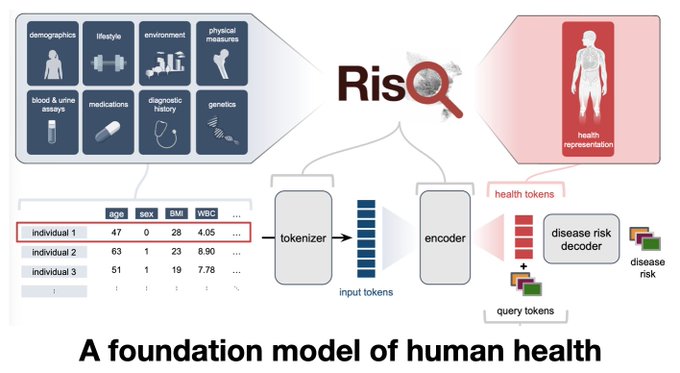
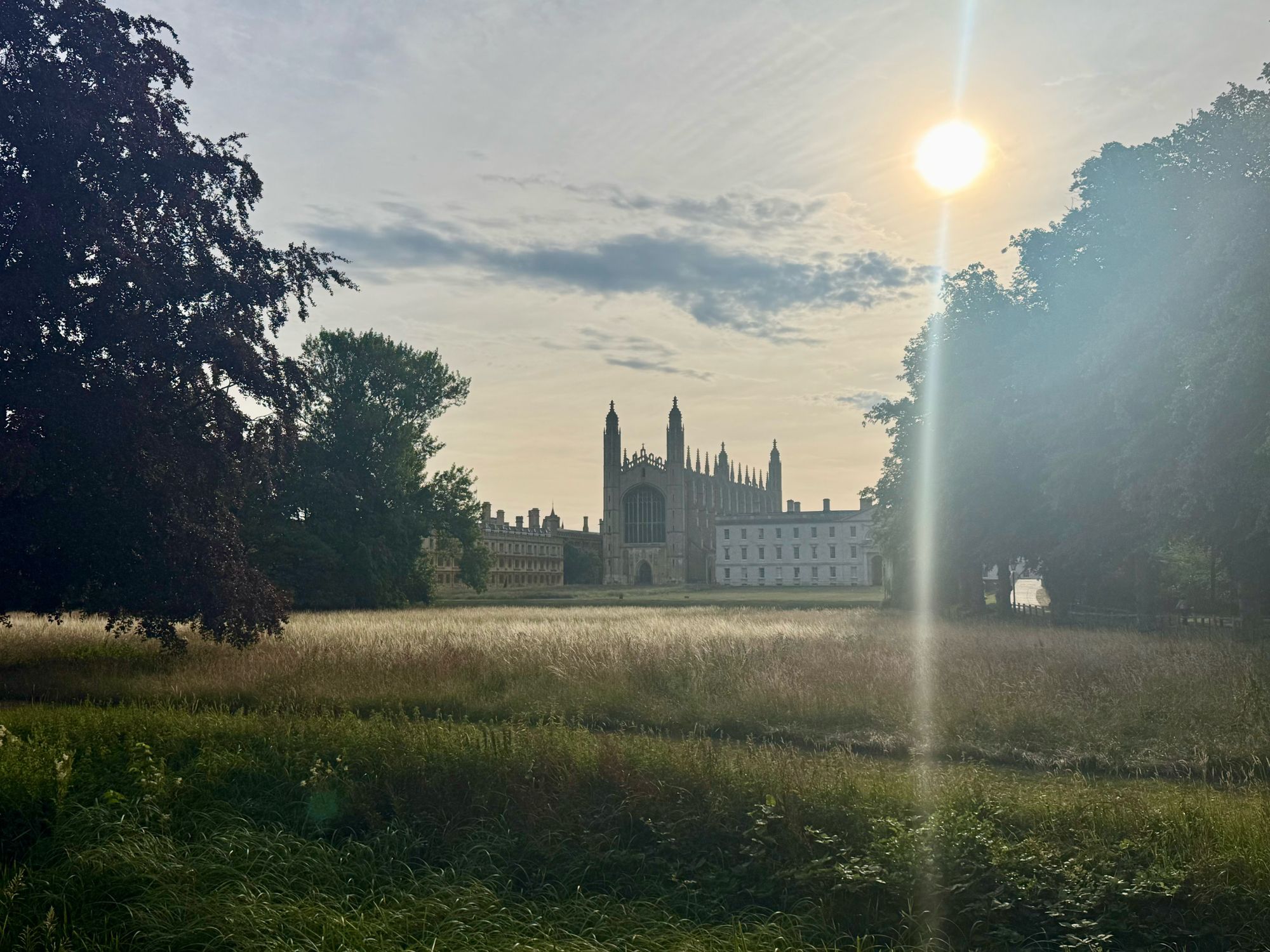
Great to be back in the UK 🇬🇧 Yesterday I had the pleasure of speaking at Imperial College London, kindly hosted by Philipp Thomas and the Biomathematics group. Thank you for the warm welcome and the inspiring discussions! Today I’m excited to be in Cambridge to give a keynote at the inaugural European SBI² (Society of Biomolecular Imaging and Informatics) meeting: sbi2.org/conference/pre… I’ll be talking about how single cell and spatial biology are reshaping the way we design experiments, from learning predictive models of cellular systems to closing the loop between AI and experimentation. Looking forward to a great meeting and many stimulating conversations! 🚀🔬 #SingleCell #SpatialBiology #SBI2
View on X: post of 7 Jul 2026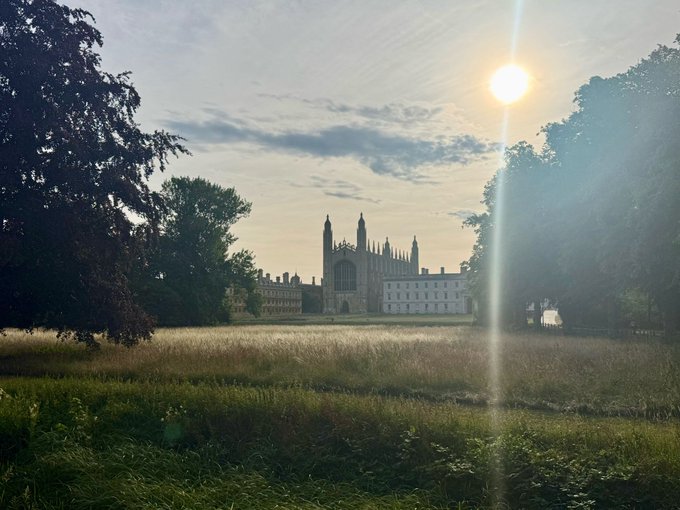
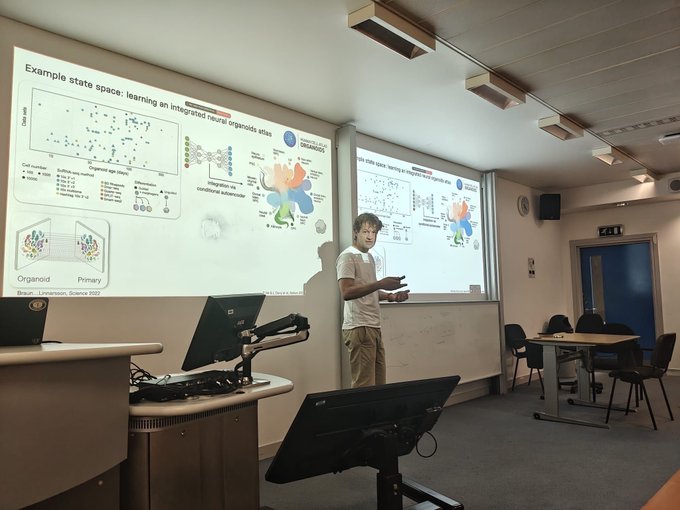
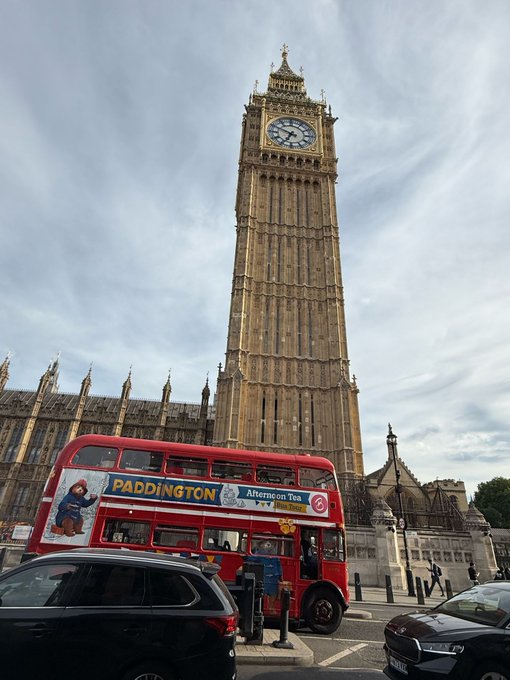
Great to be back in the UK 🇬🇧 Yesterday I had the pleasure of speaking at Imperial College London, kindly hosted by Philipp Thomas and the Biomathematics group. Thank you for the warm welcome and the inspiring discussions! Today I’m excited to be in Cambridge to give a keynote at the inaugural European SBI² (Society of Biomolecular Imaging and Informatics) meeting: sbi2.org/conference/pre… I’ll be talking about how single cell and spatial biology are reshaping the way we design experiments, from learning predictive models of cellular systems to closing the loop between AI and experimentation. Looking forward to a great meeting and many stimulating conversations! 🚀🔬 #SingleCell #SpatialBiology #SBI2
View on X: post of 7 Jul 2026
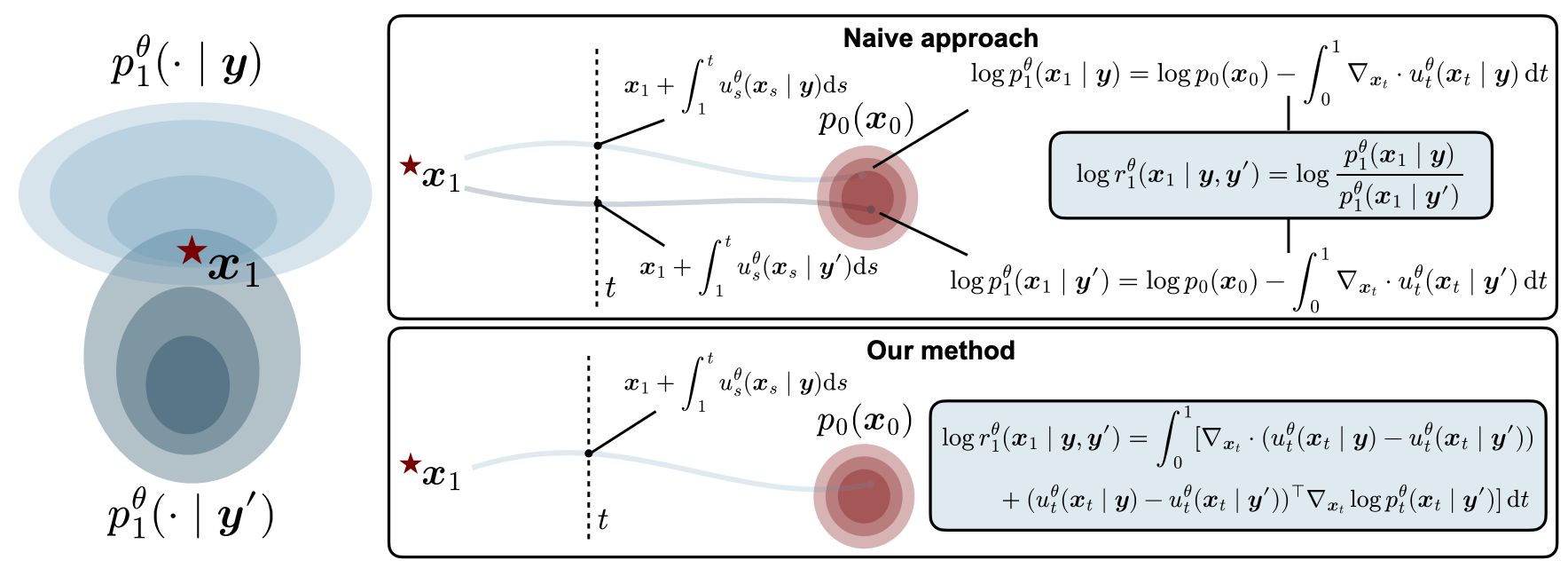
A mathematical idea can sometimes make a surprisingly practical difference. Excited to share our ICML 2026 paper: Flow-Based Density Ratio Estimation for Intractable Distributions, with Applications in Genomics A fundamental question in biology and machine learning is: Is this observation more likely under one condition than another? This is answered by density ratios. With flow-based generative models, this is typically done by computing the likelihood of the same sample under two different conditions and then taking their ratio. That means solving two separate likelihood ODEs, which is computationally expensive and accumulates numerical errors. In this work, we show that there is a better way. Instead of estimating two likelihoods independently, we derive a single ODE that directly tracks the log-density ratio along the generative trajectory. This reduces computation while improving numerical stability, and comes with a clean mathematical formulation. Beyond the theory, this turns out to be useful for several genomics applications, including: 🧬 Differential abundance analysis 💊 Drug combination effect detection 🧫 Batch correction evaluation 👤 Patient-specific cytokine response estimation Congratulations to the co-first authors Egor Antipov, Alessandro Palma and Lorenzo Consoli, as well as Andrea Dittadi, and to our fantastic collaborators in Stephan Günnemann’s lab! 📄 Paper: arxiv.org/abs/2602.24201 💻 Code: github.com/theislab/scRat… #ICML2026 #SingleCell #GenerativeAI
View on X: post of 2 Jul 2026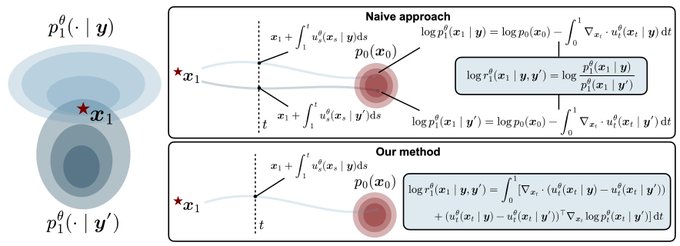
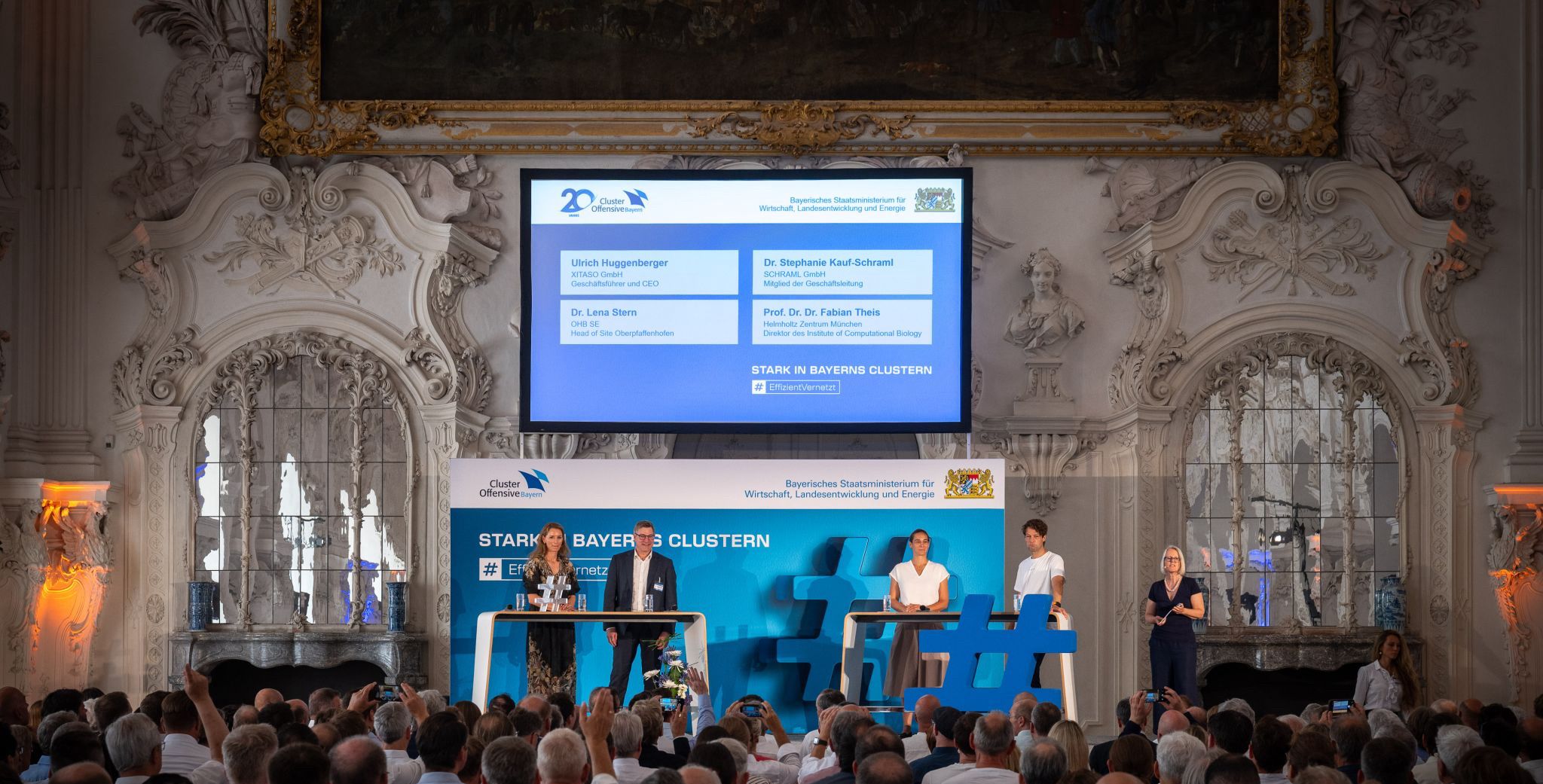
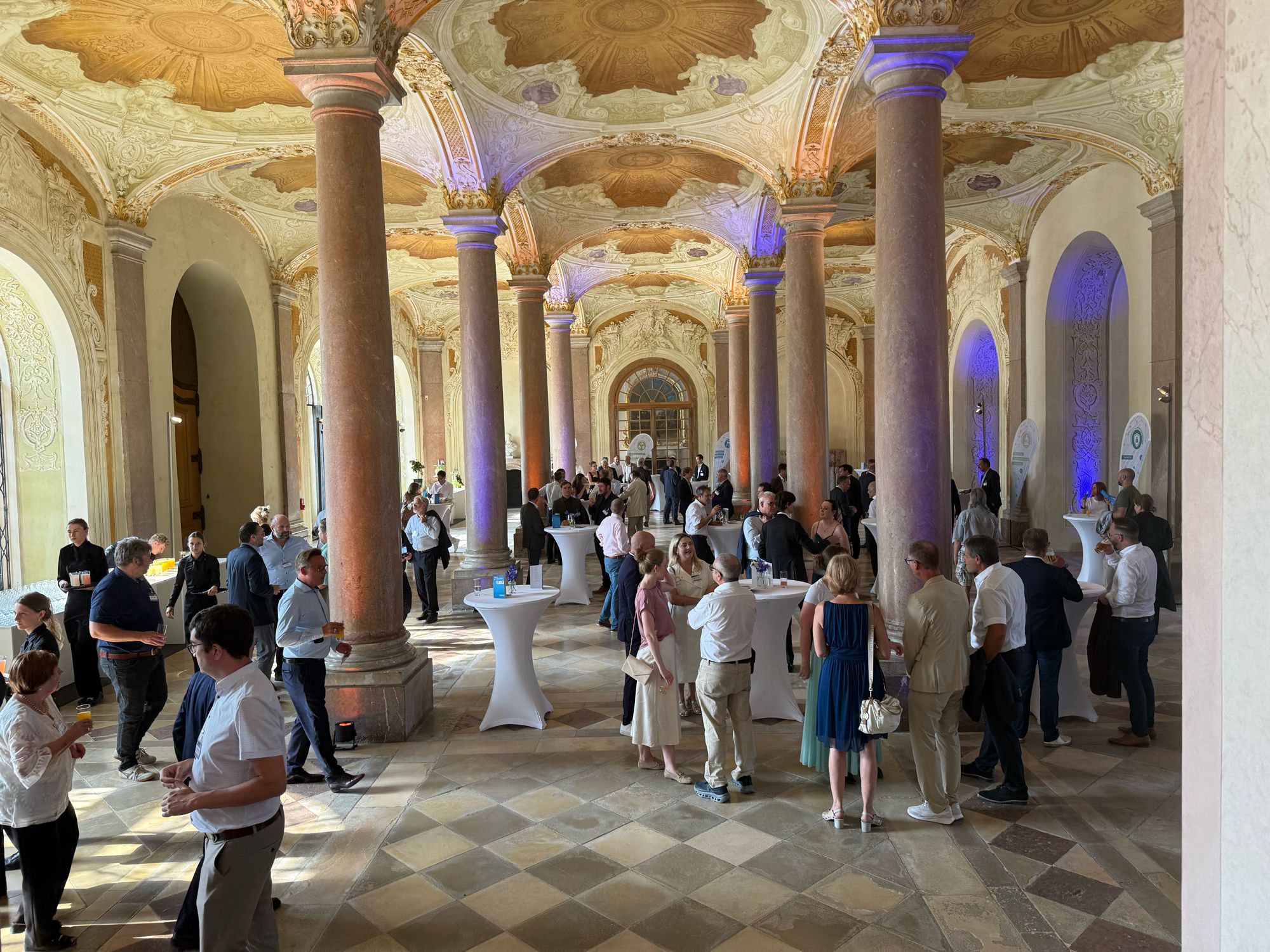
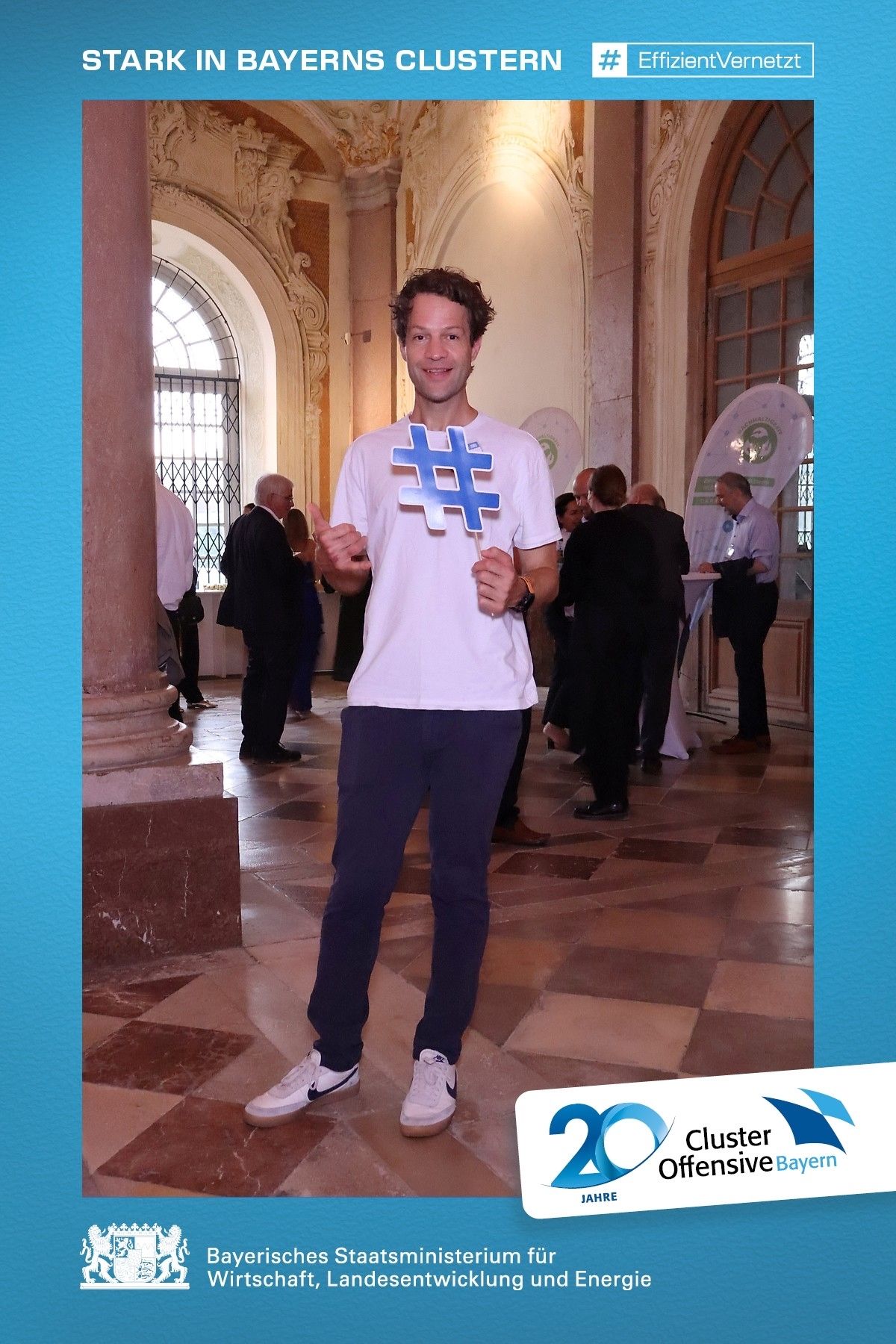
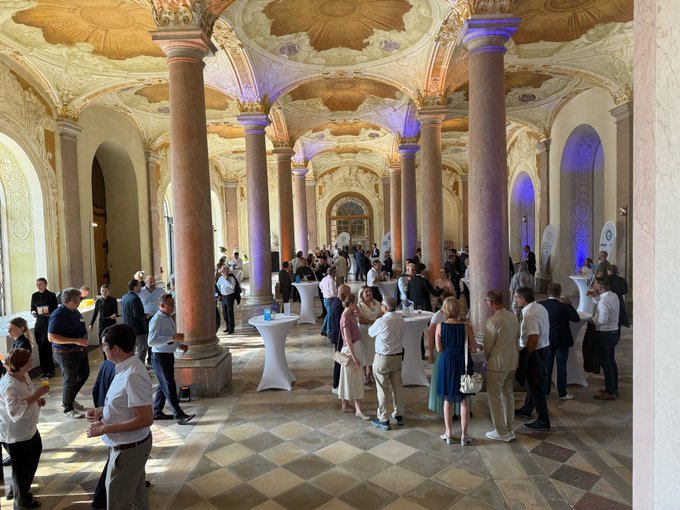
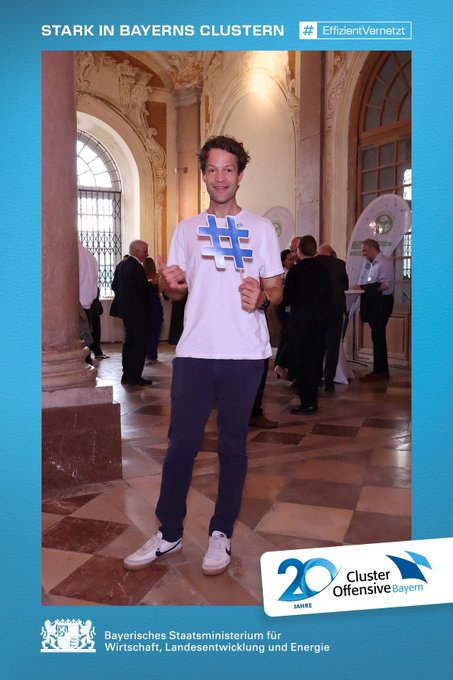
Another evening, another beautiful Bavarian castle. 🏰 Bavaria has a unique way of bringing together science, entrepreneurship, industry, and politics, sometimes in some of its most beautiful historic settings. Yesterday’s Staatsempfang at Schloss Schleißheim celebrated 20 years of the Cluster-Offensive Bayern, which has helped build strong innovation ecosystems across the state. It was a pleasure to join the panel discussion on Bavaria’s AI ecosystem and exchange ideas with founders, researchers, industry leaders, and policymakers. If you’re looking for a place where excellent research meets entrepreneurial ambition, Bavaria is hard to beat. And yes, having these conversations in a castle doesn’t hurt. 📸 #ClusterOffensiveBayern #EffizientVernetzt #Bavaria
View on X: post of 30 Jun 2026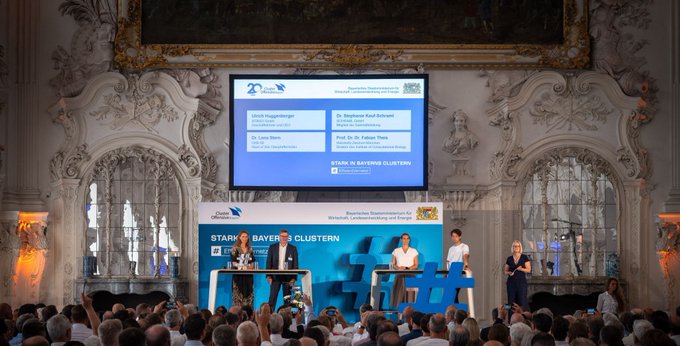
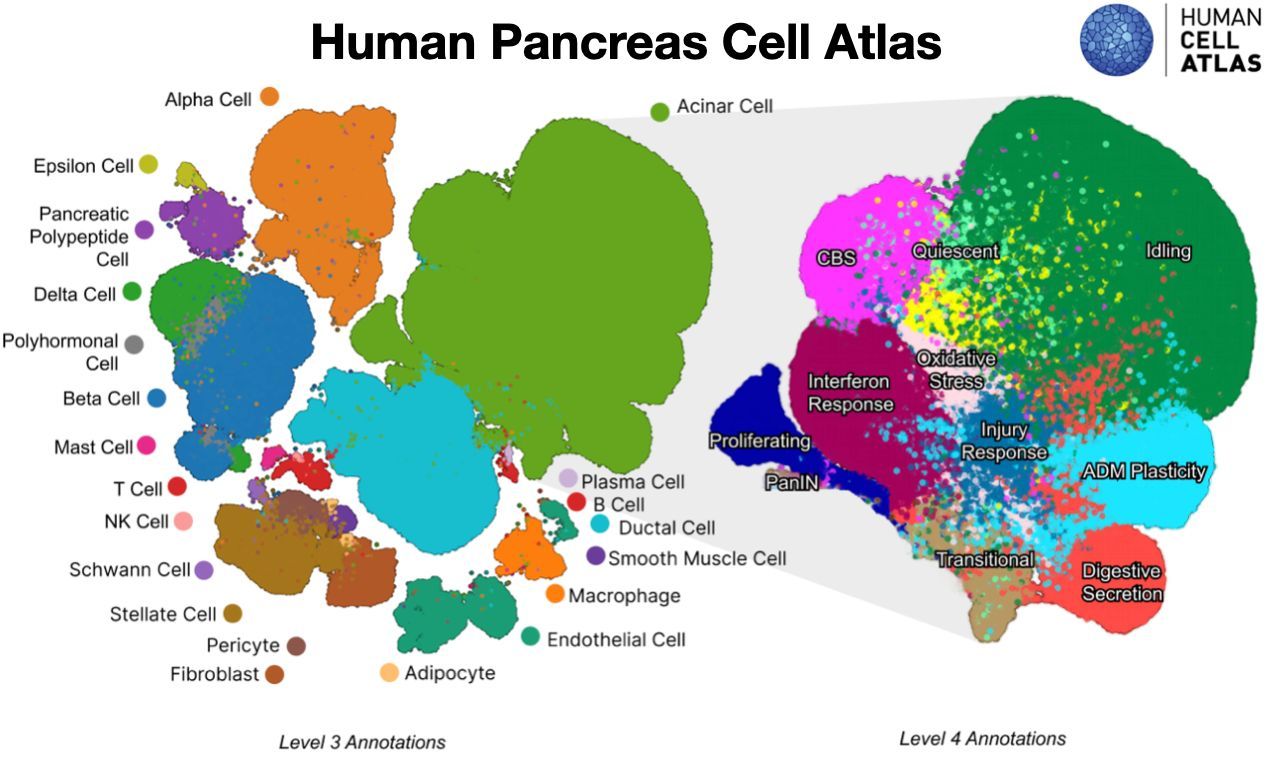
Cell atlases are becoming coordinate systems for biology. Excited to share our latest preprint from the Human Cell Atlas Pancreas Bionetwork. 🎉🧬 We set out to build a healthy reference framework that allows us to interpret pancreatic disease, compare experimental models, and benchmark regenerative approaches within a common coordinate system. This work brings together more than 2 million pancreatic transcriptomes analyzed within a single framework, including: 🔹 815,126 healthy single cell and single nucleus transcriptomes 🔹 109 healthy donors 🔹 12 independent studies 🔹 94 harmonized cell types and transcriptional states And extending this healthy reference to: 🔹 1,018,479 transcriptomes from 261 donors spanning diabetes, pancreatic cancer, and stem cell derived islets 🔹 193,435 mouse endocrine cells for quantitative benchmarking of disease models Some highlights: 🧩 A unified healthy reference that captures cellular diversity across donors, technologies, and biological variation. 🔬 Identification and multimodal support for a putative rare polyhormonal endocrine state, providing a candidate population for future investigation. 📍 Diabetes associated endocrine cells are best understood as remodeling within healthy cellular state space rather than as entirely new cell identities. 🎯 Distinct injury associated and malignancy associated epithelial ecosystem regions emerge when pancreatic cancer is viewed relative to the healthy reference. 🧪 Quantitative benchmarking of mouse diabetes models and stem cell derived islets against adult human pancreatic reference states. More broadly, I believe this illustrates where the field is heading. Reference atlases are evolving from static cell catalogs into analytical frameworks. They provide a common coordinate system for interpreting disease biology, comparing experimental models, and ultimately accelerating translation into medicine. Congratulations to Shrey Parikh, Daniel Strobl, Malte Luecken, Diego Balboa, the Human Cell Atlas Pancreas Bionetwork, and all collaborators on this outstanding team effort. It has been a privilege to be part of this journey. Preprint: biorxiv.org/content/10.648… #HumanCellAtlas #SingleCell #Diabetes
View on X: post of 29 Jun 2026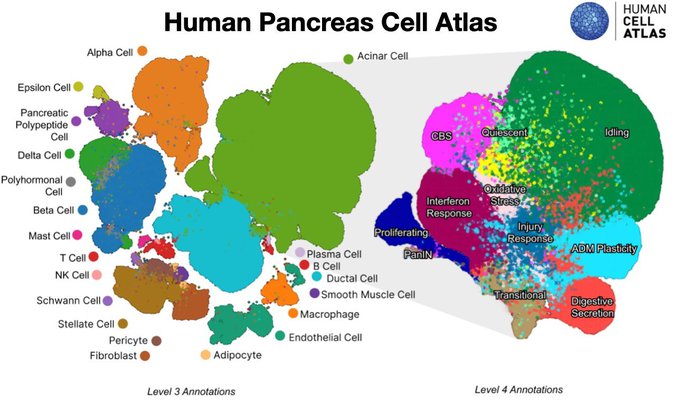
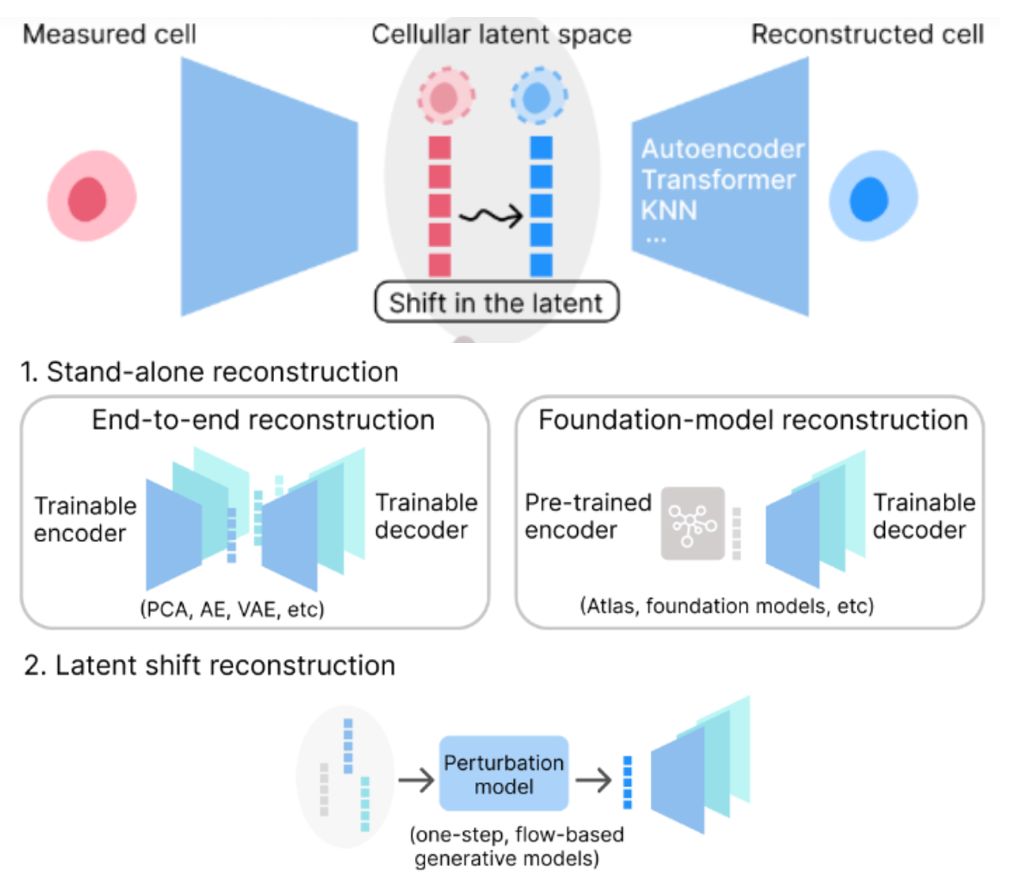
How much biology can we recover from single-cell latent representations? 🧬 Latent spaces have become the backbone of modern single-cell analysis. They power atlas integration, foundation models, and increasingly perturbation prediction and Virtual Cell approaches. Yet there is a surprisingly basic question that has received little attention: 👉 How well can we reconstruct gene expression from these latent representations? In our new work, we introduce ReconEval, a benchmark for gene expression reconstruction across more than 100 million cells. We systematically evaluate three settings: 🔹 End-to-end reconstruction (PCA, autoencoders, VAEs) 🔹 Foundation model reconstruction (a new benchmark task for single-cell foundation models, asking how much gene-level information can be recovered from pretrained embeddings) 🔹 Latent shift reconstruction (evaluating reconstruction after perturbation prediction models operate in latent space) A few takeaways: 📊 Autoencoders (not VAEs) achieve the strongest stand-alone reconstruction performance. This is perhaps not surprising, as reconstruction is exactly their training objective. 🧠 Foundation model embeddings retain substantial recoverable gene-level information, although performance depends strongly on the decoder and pretraining strategy. 🔬 The optimal latent representation depends on the downstream task. What works best for reconstruction is not necessarily what works best after perturbation prediction. As the field moves toward increasingly sophisticated Virtual Cell models, reconstruction deserves more attention as an evaluation axis ie another task to evaluate. Ultimately, biological interpretation happens in gene expression space, not in latent coordinates. Congratulations to Xiaotong Fu for driving this project and to all collaborators involved in making this benchmark possible. 👏 📄 Preprint: biorxiv.org/content/10.648… 💻 Code: github.com/theislab/Recon… #SingleCell #ComputationalBiology #VirtualCell
View on X: post of 22 Jun 2026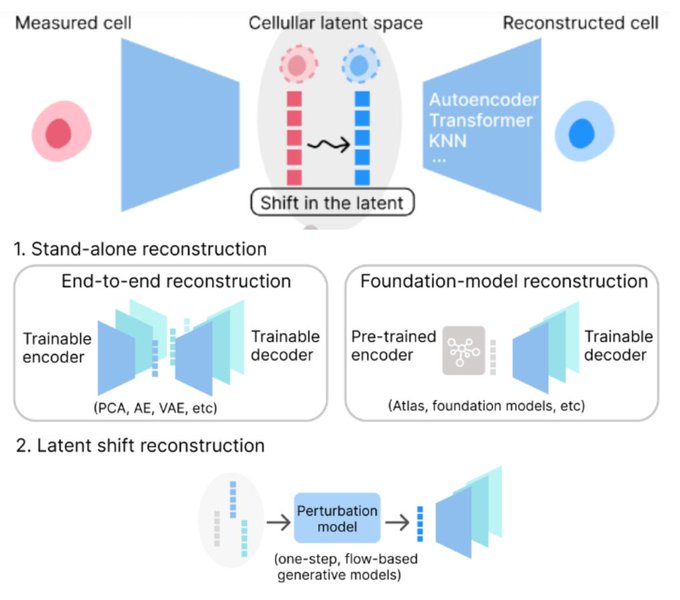
🧬 What if we could build AI models that predict the effects of interventions in tissues, not just cell lines? We are looking for two outstanding researchers (PhD candidates and/or Postdoctoral Fellows) to join my group at Helmholtz Munich. The project is part of an exciting collaboration with Novartis to build next generation AI models for kidney disease and therapeutic target discovery. Together, we are generating large scale perturbation datasets across organoid systems, patient samples, and experimental models to better understand disease mechanisms and identify interventions that move cells from disease toward health. 🤖 From an AI perspective, this is a fascinating challenge. We are interested in researchers who want to work on: • Foundation models for biology • Perturbation prediction and intervention design • Representation learning across modalities • Causal and mechanistic modeling • Building “world models” of cellular and tissue systems • Translating models across organoids, experimental systems, and patients The ambition is not simply to analyze biological data, but to build predictive models that can reason about interventions and help identify new therapeutic opportunities. You do not need to be a kidney expert. Strong candidates may come from machine learning, AI, computer science, physics, mathematics, computational biology, or related fields. 🚀 You will join one of Europe’s largest AI for Health environments and work closely with researchers from Helmholtz Munich, TUM, and our collaboration partners. If this sounds exciting, or if you know someone who would be a great fit, please share. 👉 Position: jobs.helmholtz-muenchen.de/jobposting/51b… 👉 More about the Helmholtz Munich–Novartis collaboration: helmholtz-munich.de/en/icb/news-de… #AIforHealth #FoundationModels #ComputationalBiology
View on X: post of 19 Jun 2026Excited to share that I'm joining Amino Collective as a venture advisor. @Amino Collective is a leading early-stage VC based in London and Berlin. They back founders at the frontier of health, biology and AI, and they do it with real conviction. I already work closely with a few of their portfolio companies, such as Valinor, and have been impressed by both the founders and the team’s conviction in this space. As a scientist, I’ve spent much of my career thinking about discovery. More recently, I’ve become increasingly fascinated by the next step: how discoveries become innovations, products, and companies. Working with founders and startups has given me a firsthand view of what it takes to translate scientific breakthroughs into real-world impact, and joining Amino provides an opportunity to learn even more about that journey. One thing I'm particularly motivated by: we have extraordinary scientific talent at Helmholtz and TUM, and we’re seeing an incredible wave of innovation in AI, biology, and medicine. This has already led to many successful startups, and I believe we’re only at the beginning, hopefully making Munich an even stronger place to build in health and bio. Looking forward to the journey with the Amino team and their portfolio founders! aminocollective.com
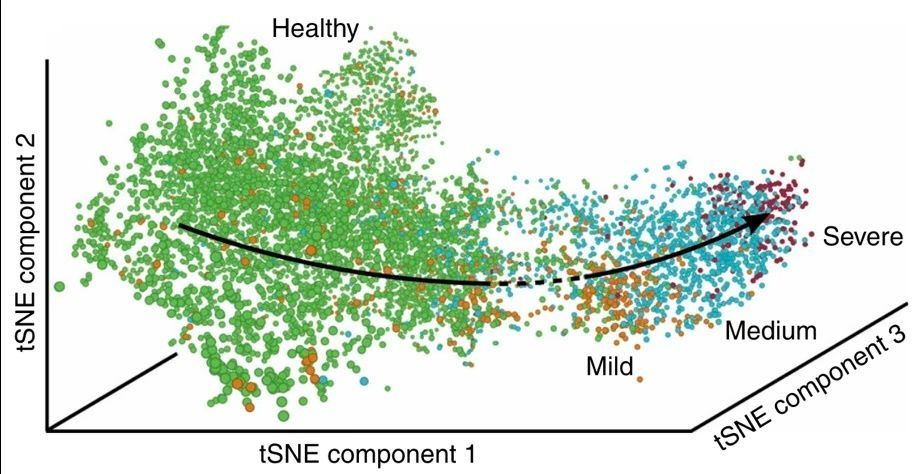
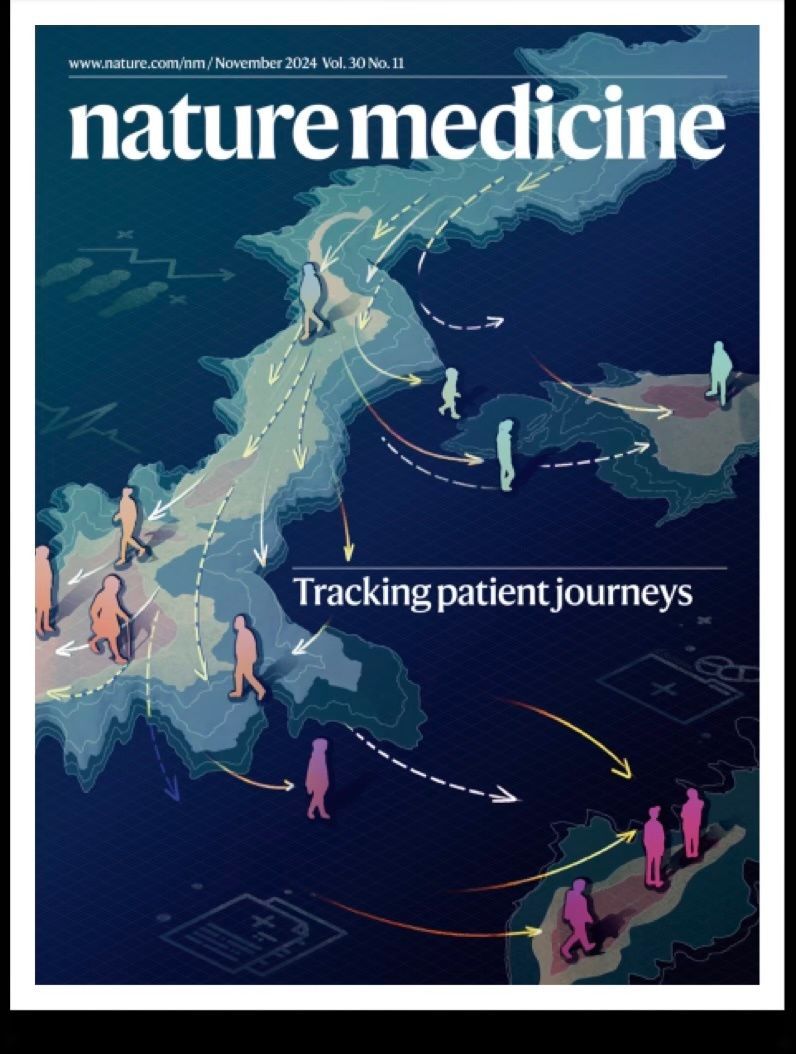
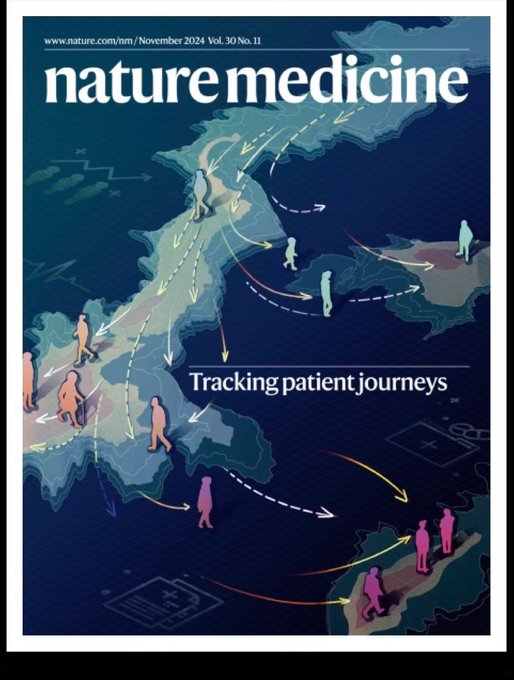
View on X: post of 16 Jun 2026🗺️ Patient Landscapes Looking back, I think this idea has been with us longer than I realized. More than a decade ago we started working on DeepFlow, an AI method to reconstruct trajectories from single-cell data. The goal was simple: understand how cells move through biological state spaces and make decisions. What surprised me was that the same idea also worked for human disease data. In 2017, we showed that patients with diabetic retinopathy could be organized into a continuous disease landscape rather than a few discrete categories. Patients naturally arranged themselves along trajectories from healthy to severe disease. At the time, we were mainly interested in understanding how machine learning models make decisions. Looking back, I think something deeper was already there. Over the years, from cellular trajectories to patient trajectories and, more recently, our work on tracking patient journeys across healthcare records, where patients move through different healthcare events over time, I have become increasingly interested in what I would call patient landscapes. At some point, all of us enter this landscape. The entrepreneur. The factory worker. The farmer. The teacher. The scientist. We all become patients. Yet our journeys can be very different. Some people receive the right diagnosis quickly. Others spend years searching. Some benefit from the best expertise available. Others do not. This makes me wonder whether one of the most important goals for AI in healthcare is not simply prediction or automation. Perhaps it is navigation. Can we help people navigate the patient landscape more successfully? 🔹 Earlier diagnosis 🔹 Better prevention 🔹 More personalized treatment 🔹 Fairer access to expertise If AI succeeds in healthcare, perhaps its greatest contribution will be helping every person benefit from the best medical expertise available, regardless of who they are or where they live. A question I keep coming back to: If we could truly map the patient landscape, how should we use it to improve patient journeys? 📖 References DeepFlow: Reconstructing cell cycle and disease progression using deep learning (Nature Communications, 2017) EHRapy: An open-source framework for end-to-end analysis of electronic health record data (Nature Medicine, 2024) #DigitalHealth #PatientLandscape #AIHealth
View on X: post of 15 Jun 2026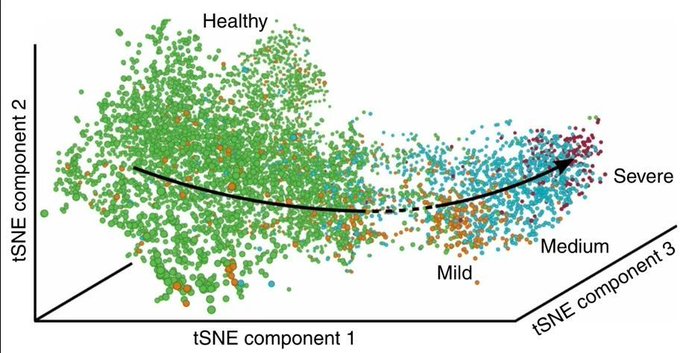
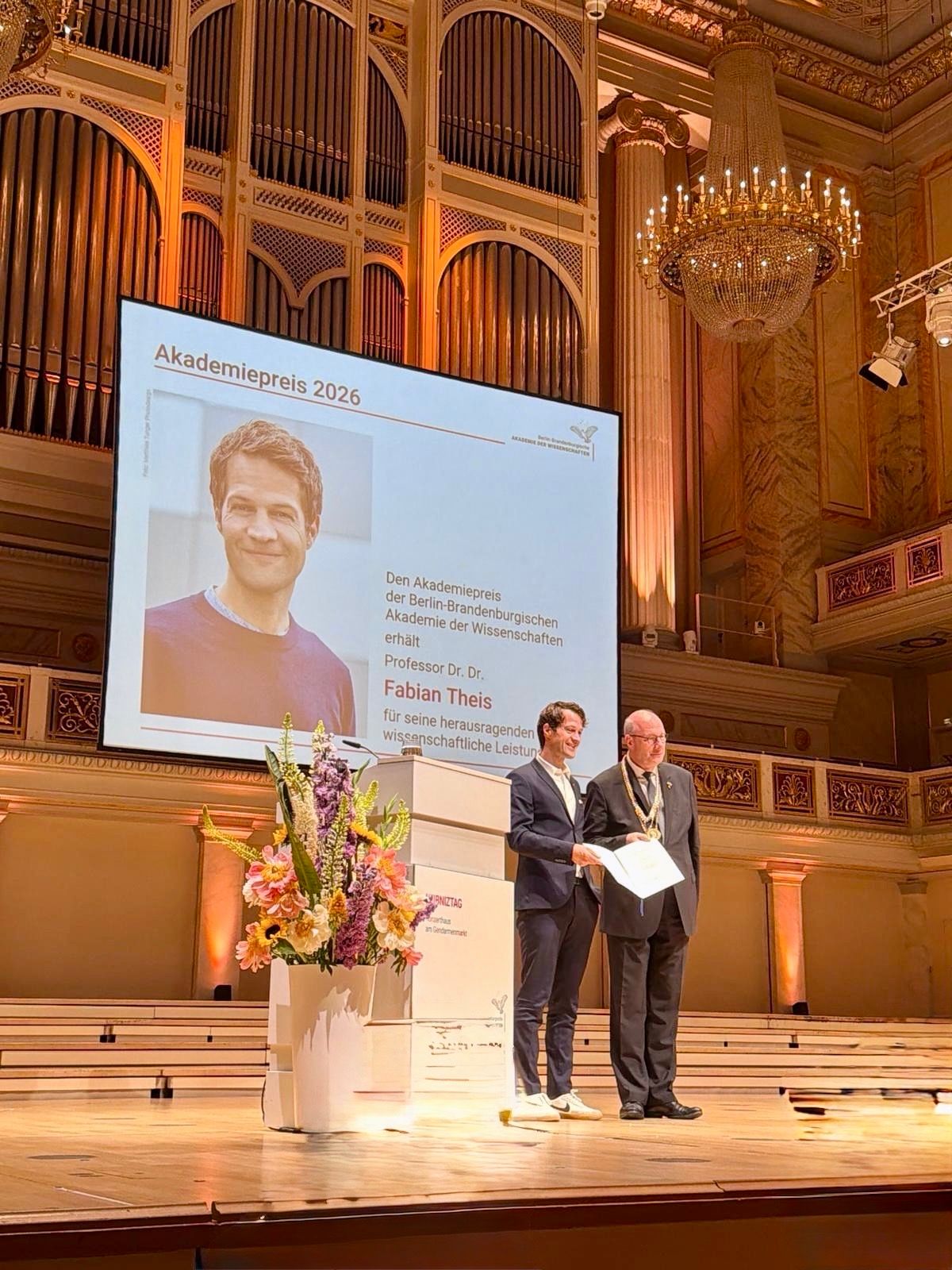
🙏 Honored to receive the Akademiepreis of the Berlin-Brandenburg Academy of Sciences and Humanities today. The Akademiepreis is awarded every two years for outstanding scientific achievements across all disciplines. This year’s citation recognized our work in computational biomedicine and biomedical data science. While I am deeply grateful for this recognition, it really belongs to a much larger community. I have been extraordinarily fortunate to work with outstanding students, postdocs, group leaders, clinicians, collaborators, mentors, institutional partners, and friends over many years. Their ideas, creativity, dedication, and trust made this journey possible! In my brief acceptance remarks, I spoke about a topic that has been on my mind recently. Few things are as universal as health and disease. This is one reason why I believe AI in biomedicine can play a special role. Beyond advancing science, it provides an opportunity to explain AI through something that matters to everyone: helping people stay healthy, receive better care, and benefit from the best medical expertise available -> Perhaps healthcare is one of the most tangible ways to connect AI research with the broader public. My sincere thanks to everyone who has been part of this journey! 🔗 bbaw.de/veranstaltunge… #BiomedicalAI #DigitalHealth #AIforGood
View on X: post of 13 Jun 2026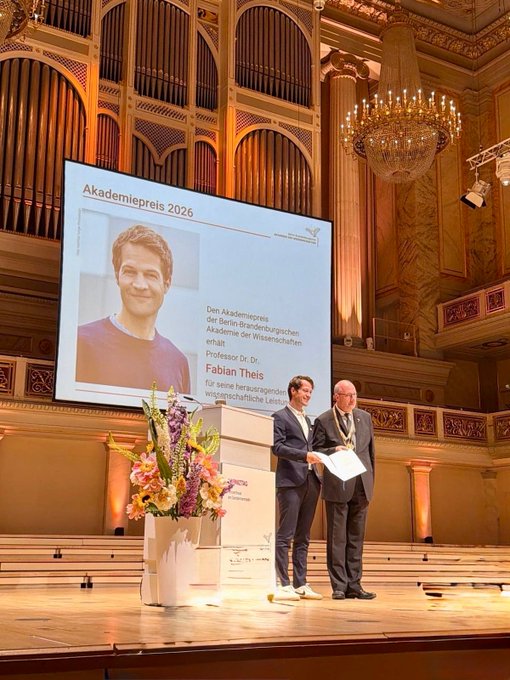
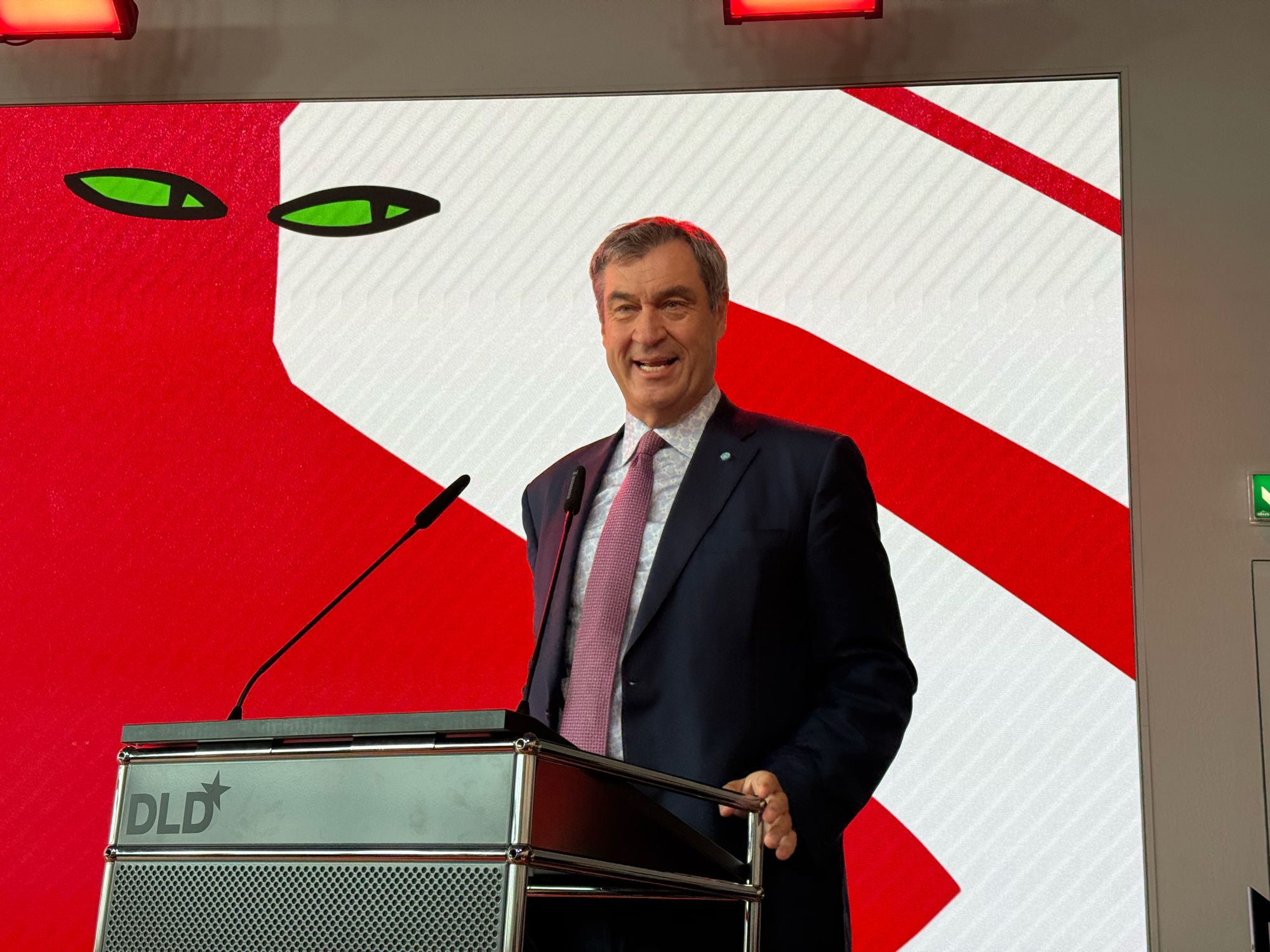
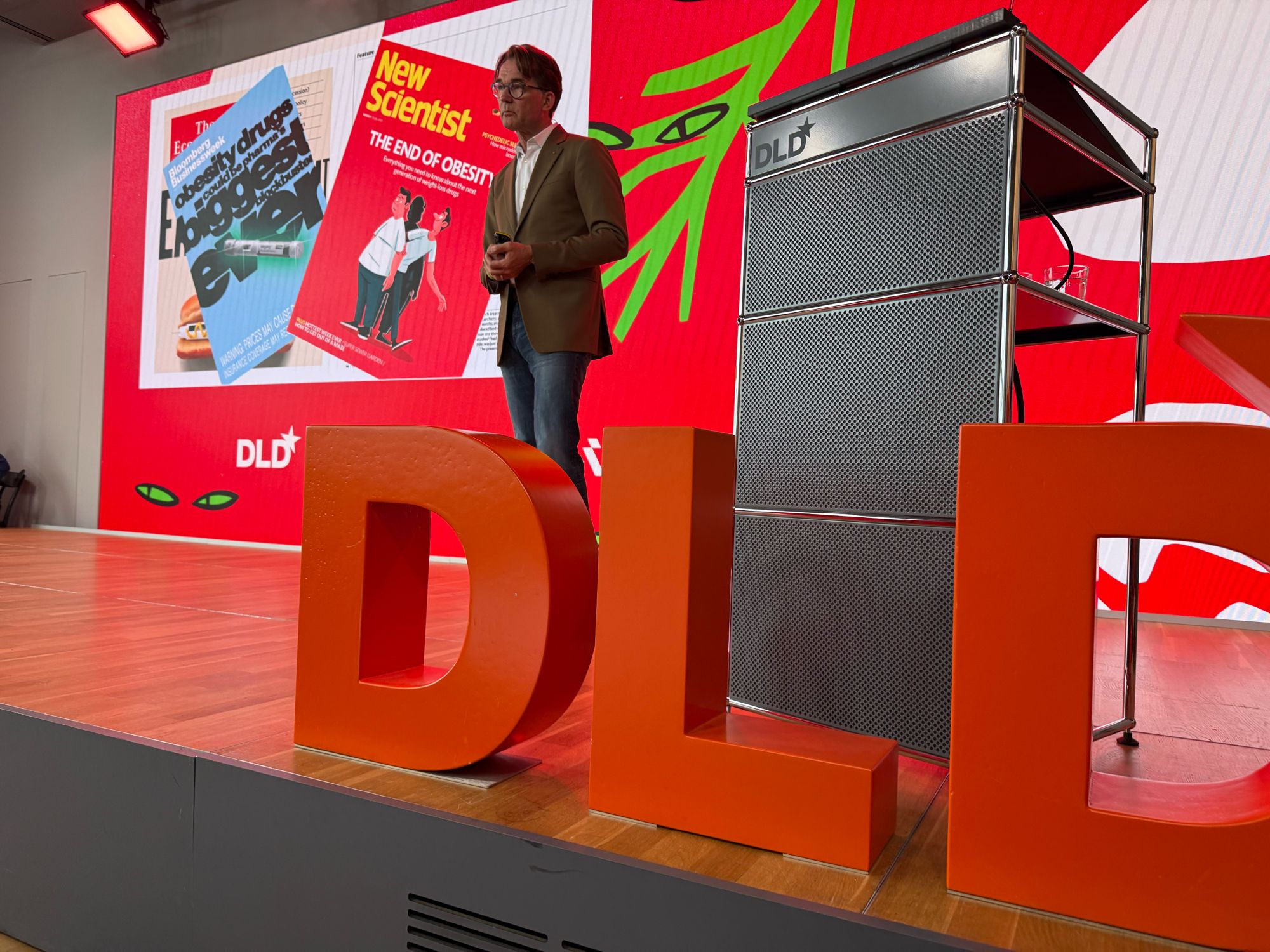
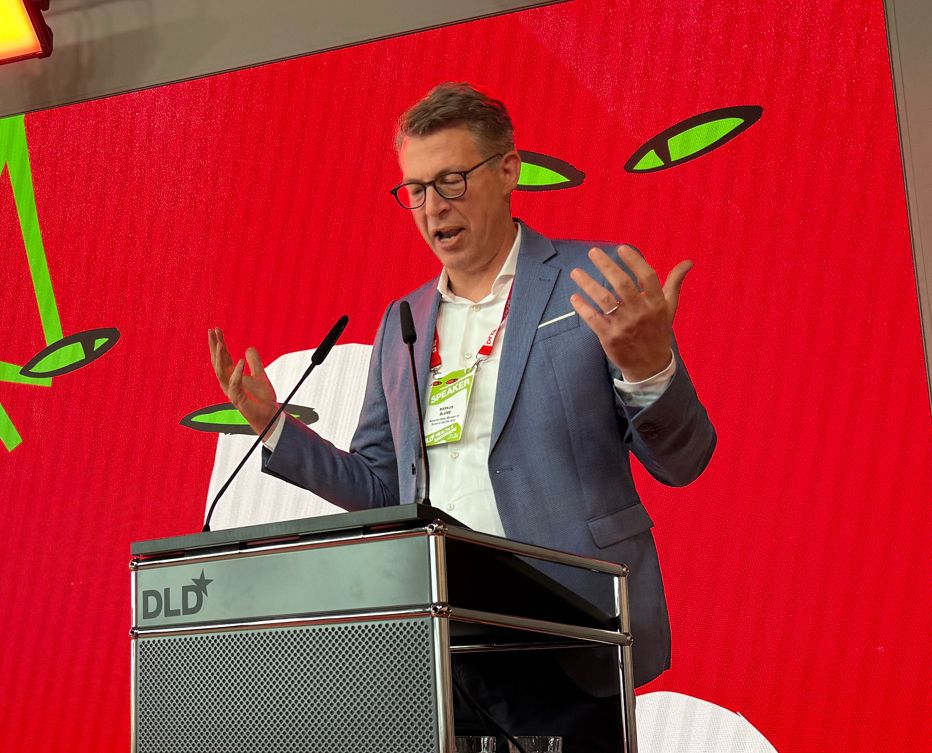
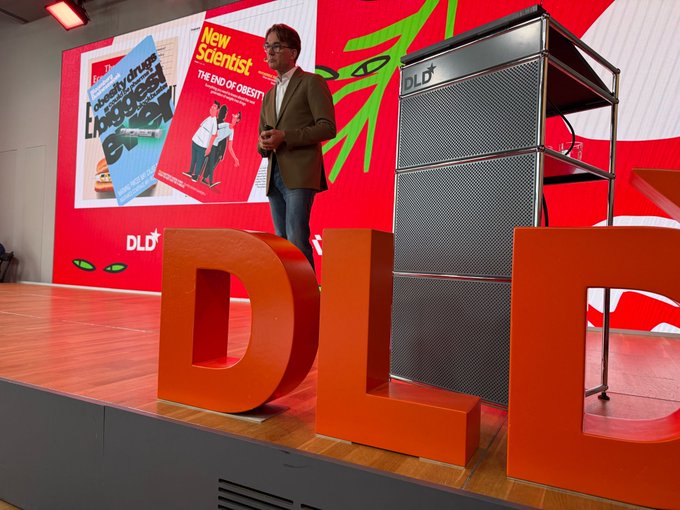
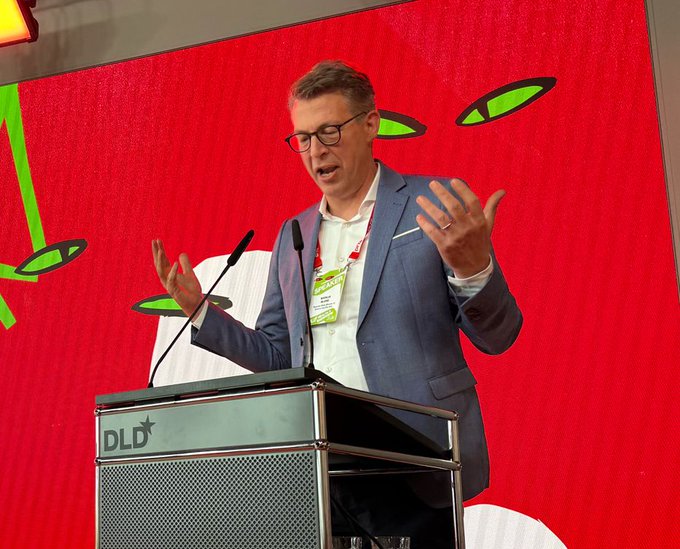
In January at DLD, one of Europe’s leading innovation conferences, the motto was: “It’ll be wild.” 🚀 Today at DLD Health x BAIOSPHERE, it got healthy. A pleasure to open the event after Steffi Czerny and Alessia Sinzger and discuss what may be the next chapter of AI in biomedicine. For the past few years, foundation models have helped us build representations of proteins, cells, tissues and patients. Now the focus is shifting from representation to action. How can AI help us identify the next experiment? How can we move from describing biology to intervening in it? How do we build world models that allow us to simulate and test ideas before moving into the laboratory or clinic? At Helmholtz Munich, together with many partners across academia and industry, we are working toward this vision through initiatives such as the Virtual Human. The discussions that followed highlighted just how much innovation depends on strong ecosystems: 📍 Markus Söder spoke about Bavaria’s long term commitment to science and technology and the importance of investing early in future defining fields. Many of the strengths of Bavaria’s AI and biotech landscape today are the result of decisions made years ago. 📍 Matthias Tschöp shared perspectives from the obesity revolution. One thought that stayed with me: if you are lean and not taking one of the new obesity drugs, you are largely lucky, not morally superior. Obesity is a disease shaped by genetics and environment, not simply individual choice. 📍 Markus Blume highlighted Bavaria’s growing AI and health ecosystem and the opportunities created by connecting research, healthcare and entrepreneurship. 📍 Nobel Laureate Ferenc Krausz presented fascinating work on blood based screening technologies that could transform early disease detection and prevention. A recurring theme throughout the day: The future of health will not be built by scientists alone. It will not be built by clinicians alone. It will not be built by entrepreneurs, investors or policymakers alone. It will be built where all of these communities meet. Thank you to DLD, BAIOSPHERE and all participants for an inspiring day and for the many conversations on how AI can help us move from disease management toward prevention. #DLDHealth #BAIOSPHERE #AIforHealth
View on X: post of 12 Jun 2026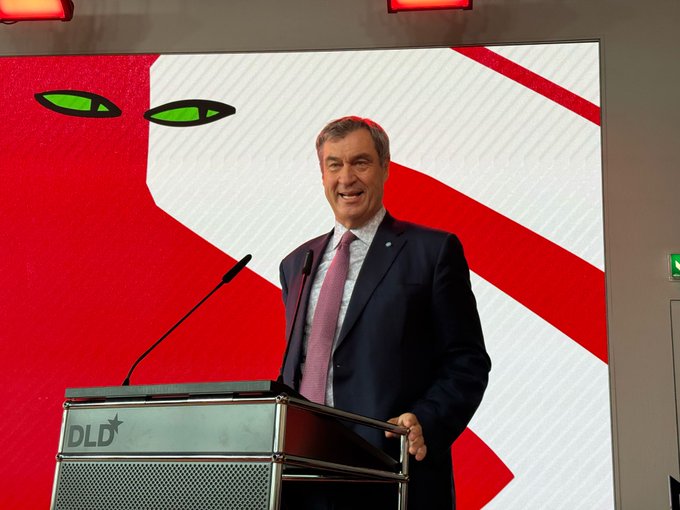
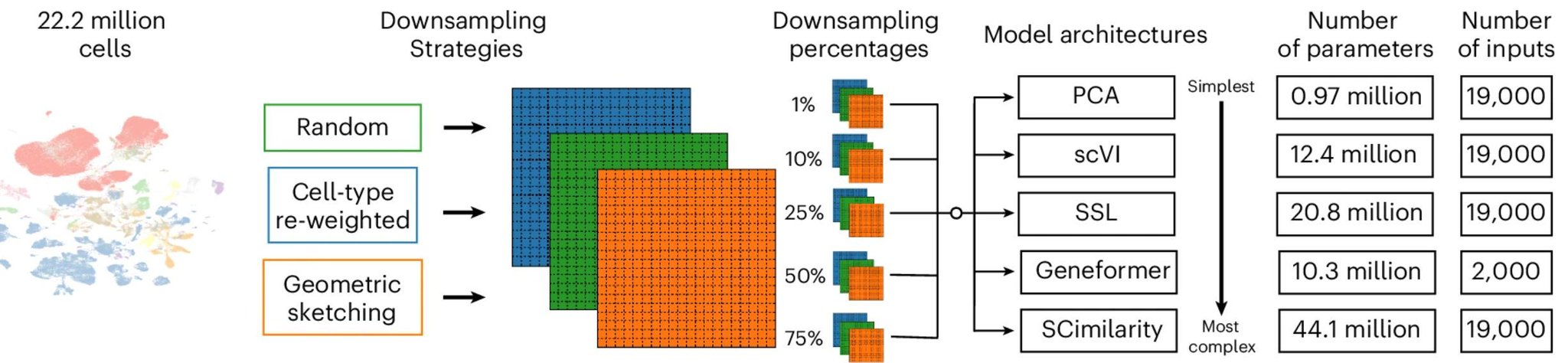
Do single-cell foundation models obey scaling laws? A somewhat thought-provoking new Nature Methods study by the Crawford lab suggests that, for current single-cell foundation models, the answer may be “not really.” Across a broad range of architectures and downstream tasks, increasing pretraining data from hundreds of thousands to tens of millions of cells yielded surprisingly limited gains, with performance often saturating much earlier than expected. This is interesting and provides exactly the kind of rigorous benchmarking our field needs. As Felix Fischer and I commented in the accompanying Research Briefing, such studies help move the discussion beyond model size and computational budgets toward actual scientific utility. At the same time, I am not convinced the key conclusion is that scaling does not work in biology. Rather, it may be that current objectives are not extracting enough information from additional data. Interestingly, in our recent scConcept work, we observe a markedly different scaling behavior, with continued gains as training data grows toward hundreds of millions of cells. The key difference may be the training objective itself: instead of reconstruction-based masked modeling, scConcept uses a contrastive objective that directly optimizes biologically meaningful cell representations. biorxiv.org/content/10.110… This raises an interesting question for the field: Have we reached the limits of data scaling, or only the limits of current objectives? -> My guess is that the next generation of biological foundation models will depend less on simply collecting more cells and more on finding the right representation learning principles for biology. Nature Methods paper: nature.com/articles/s4159… Research Briefing: nature.com/articles/s4159… #SingleCell #FoundationModels #AIforBiology
View on X: post of 11 Jun 2026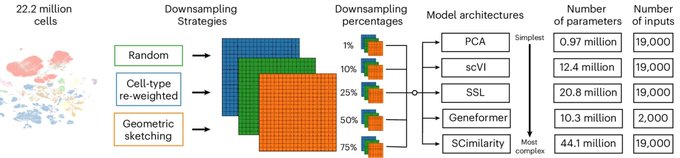
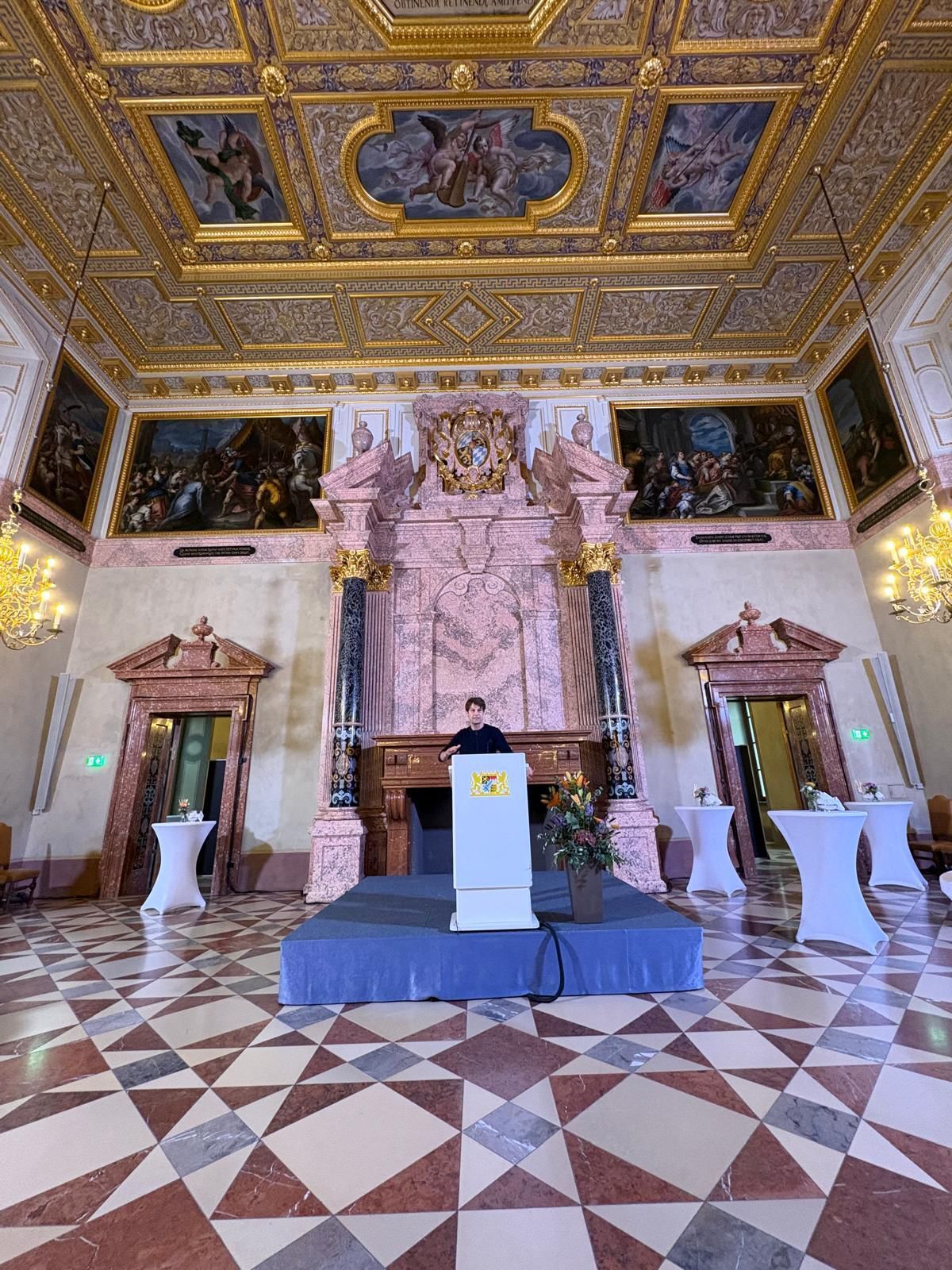
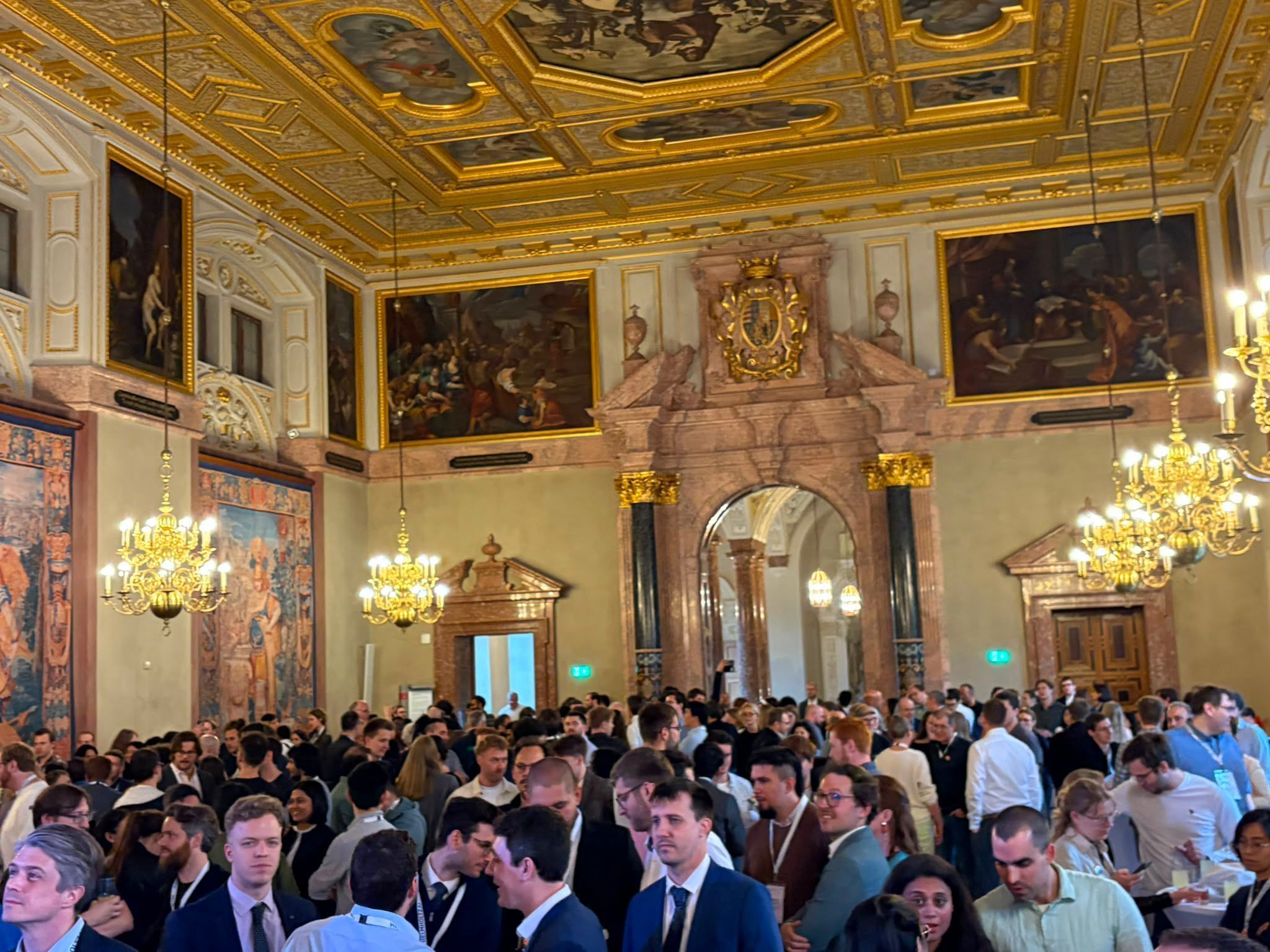
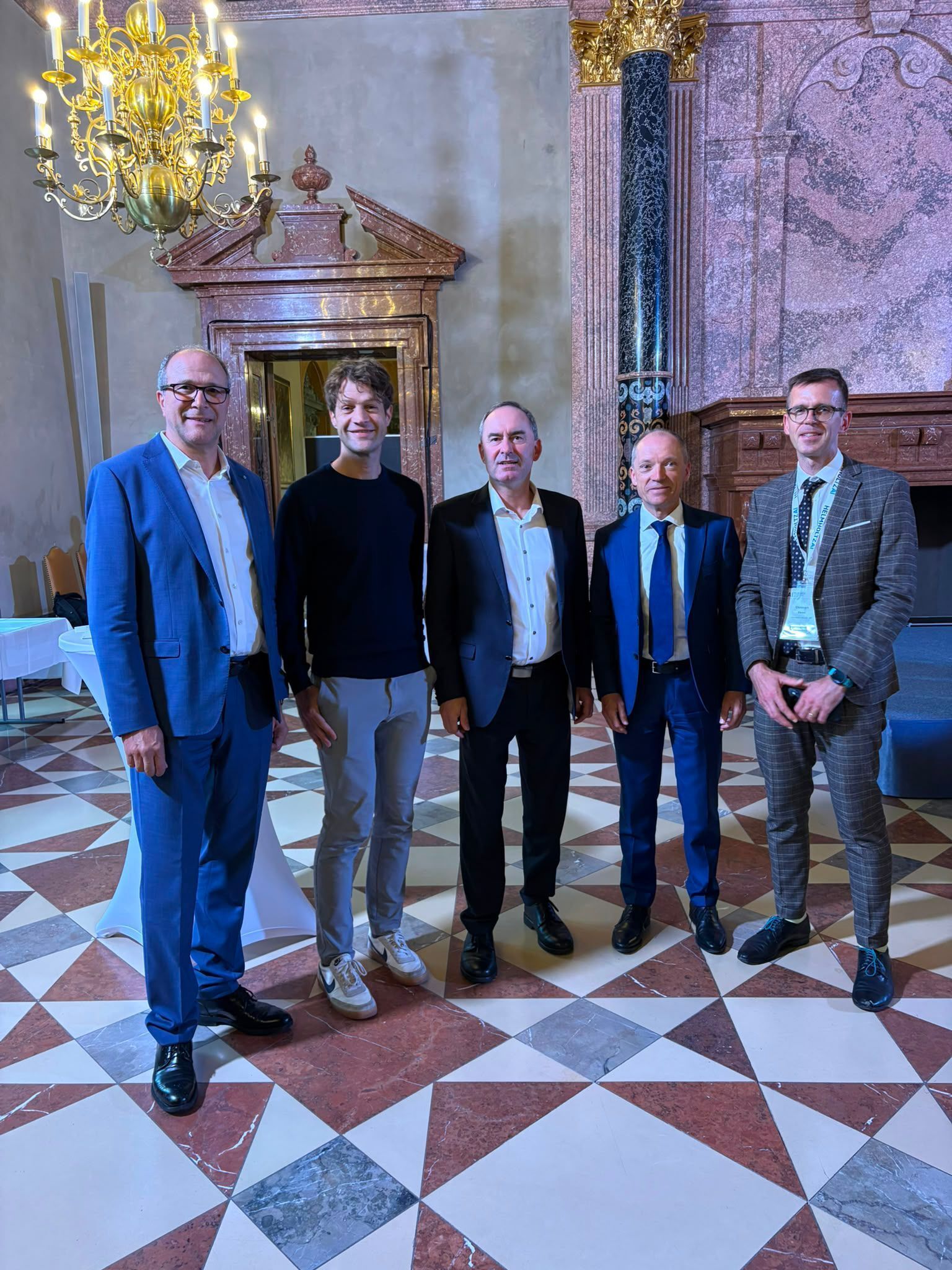
A wonderful evening at today's State Reception in Munich, where I had the privilege of opening the evening after Minister Hubert Aiwanger and welcoming participants of HAICON 2026. 🇩🇪 It felt particularly fitting to discuss the future of AI in the historic Kaisersaal of the Munich Residenz 🏛️. Science is not only becoming faster. It is becoming fundamentally different. AI is transforming how we do research, how companies innovate, and increasingly how society works. This year's HAICON brought together around 600 participants from academia, industry, and government, including guests from around the world. The discussions over the last days reinforced something I strongly believe: Bavaria, and especially Munich, has become one of Europe's leading ecosystems for AI, combining world class research, entrepreneurship, industry, and forward looking policymaking 🚀. Thank you to the Bavarian Ministry of Economic Affairs and everyone who helped make this event possible. The future of AI will not simply happen to us. It is ours to understand, shape, and build. 🤖 #HAICON26 #AIforScience #Bavaria
View on X: post of 10 Jun 2026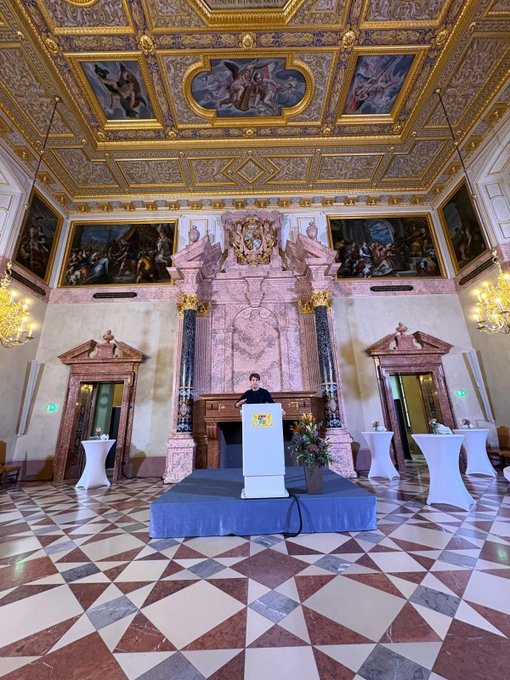
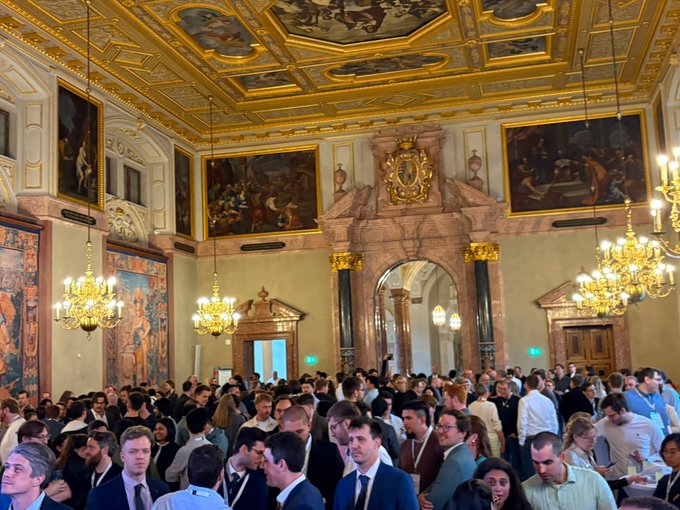
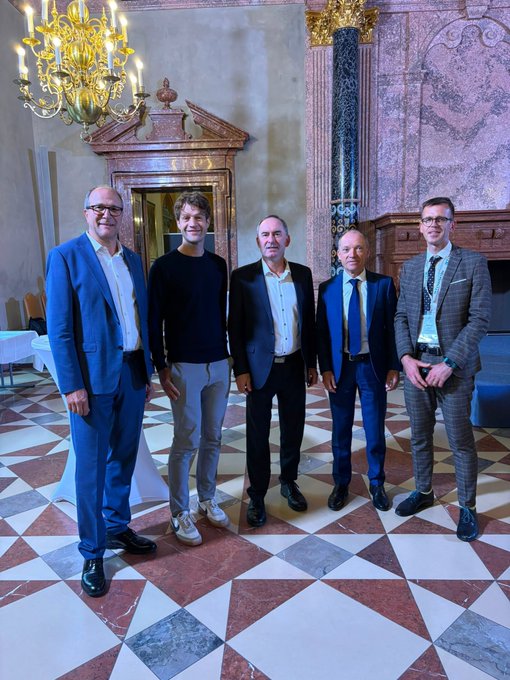
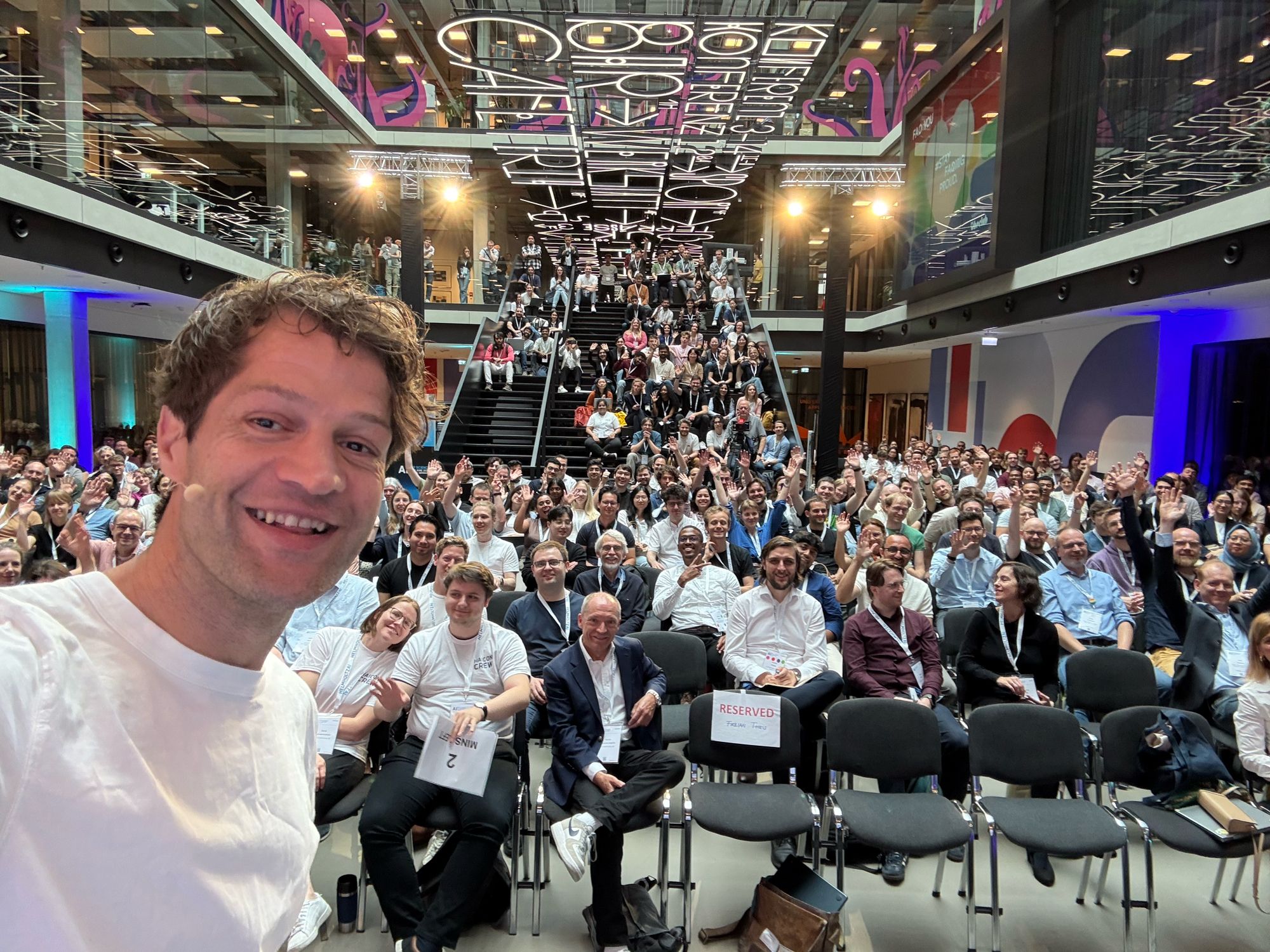
Excited to kick off #HAICON26 today! 🚀🤖 More than 600 participants joining us to explore how AI is transforming science and accelerating discovery. Great energy, great people, and an exciting program ahead. 👉 haicon.cc #AIforScience #HAICON26
View on X: post of 9 Jun 2026